
Newsletter
July 2026
Chairperson’s Chirp
by Ann Mawer
Dear BirdLife Plettenberg Bay members and friends,
We have survived 2 damaging storms and as winter has settled over the Garden Route with its familiar mix of crisp mornings, shifting light, full rivers and sudden breaks of sunshine. It is a quieter season in some ways, but for birders it is never a dull one. The estuaries, wetlands, fynbos, forests and shoreline around Plettenberg Bay continue to remind us why this region is such a special place to watch, learn from and protect birds.
This winter newsletter comes at a meaningful time for our club. BirdLife Plettenberg Bay continues to grow as a community of people united by a love of birds and a shared concern for the habitats on which they depend. Our walks, talks, counts and social gatherings remain at the heart of club life, creating opportunities for experienced birders and newcomers alike to spend time outdoors, exchange knowledge and enjoy the fellowship that makes this club so special.
Conservation remains our guiding purpose. We continue to support local initiatives that protect vulnerable shorebirds, strengthen bird monitoring, encourage responsible birding and assist organisations involved in the rescue, rehabilitation and release of injured or stranded birds. The African Penguin remains a powerful symbol of both the fragility and resilience of our coastal wildlife, and we are grateful to all our partners, volunteers and members who contribute time, expertise and resources to this work.
Winter birding also gives us a chance to slow down and look more carefully. Whether it is an Osprey over the Bitou, cormorants along Robberg, sunbirds in the fynbos, waterbirds on the estuaries or the sudden flash of a Knysna Turaco in the forest, every sighting connects us to the wider story of this landscape. I encourage members to keep submitting observations, joining outings where possible, and inviting friends and family to discover the pleasure of birding with us.
Looking ahead, we can be proud of the momentum building around birding in the Bitou region. Our club’s role in education, citizen science, conservation partnerships and local birding awareness is more important than ever.
Thank you to our committee, outing leaders, speakers, conservation partners and every member who helps keep BirdLife Plettenberg Bay active, welcoming and effective.
May the winter months bring you memorable sightings, safe outings and renewed appreciation for the birds that share our shores, rivers, forests and gardens.
Warm birding wishes,
Ann Mawer,
Chairperson, Birdlife Plettenberg Bay
Orange-breasted Sunbird
(Anthobaphes violacea)
Meet the vibrant jewel of the South African fynbos! The Orange-breasted Sunbird is a dazzling, high-energy pollinator endemic to the Western and Eastern Cape.
While the females sport a subtle, classy olive-green, the males are a breathtaking explosion of color—boasting an iridescent green head, a violet breastband, and a fiery reddish-orange belly. Perfectly adapted to their unique habitat, these busy birds spent their days darting among proteas and heaths (Erica), using their specialized bills to sip nectar and hawk for insects.
Whether they are defending their winter breeding territories with high-pitched, melodious warbles or weaving cozy ovoid nests low in the brush, these sunbirds are the true heart and soul of Cape floral kingdom.
Photo by Stephan van Wyk
PRESENTATIONS, DINNERS, LOCAL OUTINGS AND AWAY TRIPS
by John Home
Presentations and Dinners
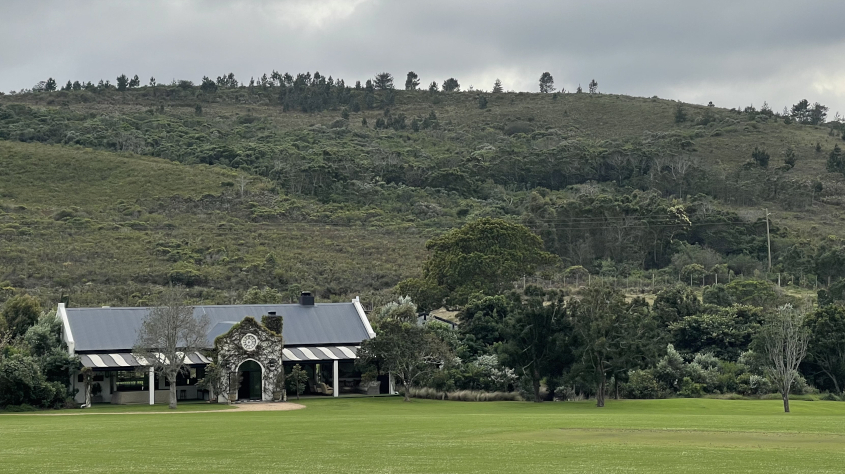
We started 2026 with our 30th AGM, which was held at Forrest Gate on 13 March and which was attended by 130 of our Members (see a separate report on the AGM below). This was followed by four more monthly meetings, the first held at the Riverside Café and the other three at Plettenberg Country Club. Our guest speakers were Dr Alan Lee, Dr Mark Brown, Rupert Horley, and Ian Michler.
All our guest speakers were experts in their fields, and their presentations were informative and of the highest standard. We thank them for their time and efforts.
All our presentations and dinners were fully booked, and a new problem has arisen in that we cannot find a venue in Plettenberg Bay that can accommodate and cater comfortably for 100 people or more.
OUTINGS
Outings were arranged to Kwendalo, De Vasselot Nature Reserve, Bobbejaanskloof Private Nature Reserve, and two ferry trips up the Keurbooms River. Sadly, the outing to Hunters Hotel had to be cancelled at the last moment because of the flooding in June. All these outings were well attended by our Members.
Details of future outings and our annual away trip will be circulated shortly.
“Bird watching is more than just a hobby; it is a doorway into the rhythm of the natural world.”
— David Attenborough
MEMBERS’ ARTICLES

Celebrating 30 Years: Birdlife Plettenberg Bay’s AGM
Reflections on Three Decades of Conservation and Community
by Ann Mawer
As Chairman of Birdlife Plettenberg Bay, it is both an honour and a privilege to reflect on the significance of our 30th Annual General Meeting. Thirty years ago, a small group of passionate birders gathered in Plettenberg Bay, united by a vision to protect our region’s remarkable avifauna and promote environmental awareness. Today, that vision has blossomed into a vibrant and enduring organisation, proud to be part of our community’s network of conservation champions.
This milestone AGM was held at a new venue off the Plett-Knysna N2, Forest Gate, where members old and new came together to celebrate our shared achievements. Highlights included awarding some of our conservation partners with certificates and commemorative bottles of African Penguin wine* and acknowledging their important role in rescuing, rehabilitating and releasing African Penguins (Spheniscus demersus) and other wild and sea birds off our Plettenberg Bay coast. In the last decade BirLife Plett and our partners have released 153 critically endangered African Penguins. The award recipients were Tenikwa, Plett Marine Stranding Network, Robberg Vet, NVT, and Knysna Vet. We support Raptor Rescue, who specialise in rescue, rehabilitation and release of raptors and we support the Avitourism drive at Kwendalo. *(Penguin wine donated by Dawie Chamberlain).
Our celebration presentation was by the renowned Trevor Hardaker, whose insights remind us of the excitement and importance of birding in South Africa.
Over the past three decades, Birdlife Plettenberg Bay has forged strong partnerships with local councils, schools, landowners, and conservation groups. Our monthly presentations, outings, annual bird counts, and educational talks have nurtured a deep appreciation for birds and their habitats among members and visitors alike. The AGM also marked our commitment to continue our conservation strategies creating awareness of the plight of shore birds and their vulnerable nesting colonies on our local beaches.
I extend heartfelt thanks to all our members, past and present committees, and supporters who have contributed to our journey. As we look ahead, we do so with optimism, knowing that together we can continue to make a meaningful difference – for birds and habitats for generations to come. Birdlife Plettenberg Bay’s 30th AGM stands as a testament to what can be achieved when passion and purpose unite. “Birdlife Plettenberg Bay are a community United by Birds – 30 years on”
Above: A Wandering Albatross pair prepare their nest on Marion Island. Photograph: Roelf Daling
Saving Marion Island’s Seabirds: an update from the Mouse-Free Marion Project
Dr Anton Wolfaardt
Mouse-Free Marion Project Manager
Background
Marion Island, roughly 2,300 km south-east of Cape Town, forms part of South Africa’s only Special Nature Reserve. Over two million seabirds, including albatrosses, petrels and other species, depend on this globally important site to raise their young.
Invasive House Mice, introduced accidentally by seal hunters in the early 19th century, now attack eggs, chicks, and even adult birds. Without intervention, 19 of the 29 bird species that breed on the island face local extinction.
The Mouse-Free Marion (MFM) Project, a partnership between BirdLife South Africa and the Department of Forestry, Fisheries and the Environment, was established in 2021 to eradicate mice from Marion Island. The eradication operation, involving the aerial distribution of rodenticide bait, is currently planned for 2029. This target date is contingent on securing full funding and regulatory approvals well in advance to ensure sufficient lead time to accommodate the extensive logistical planning and procurement processes required.
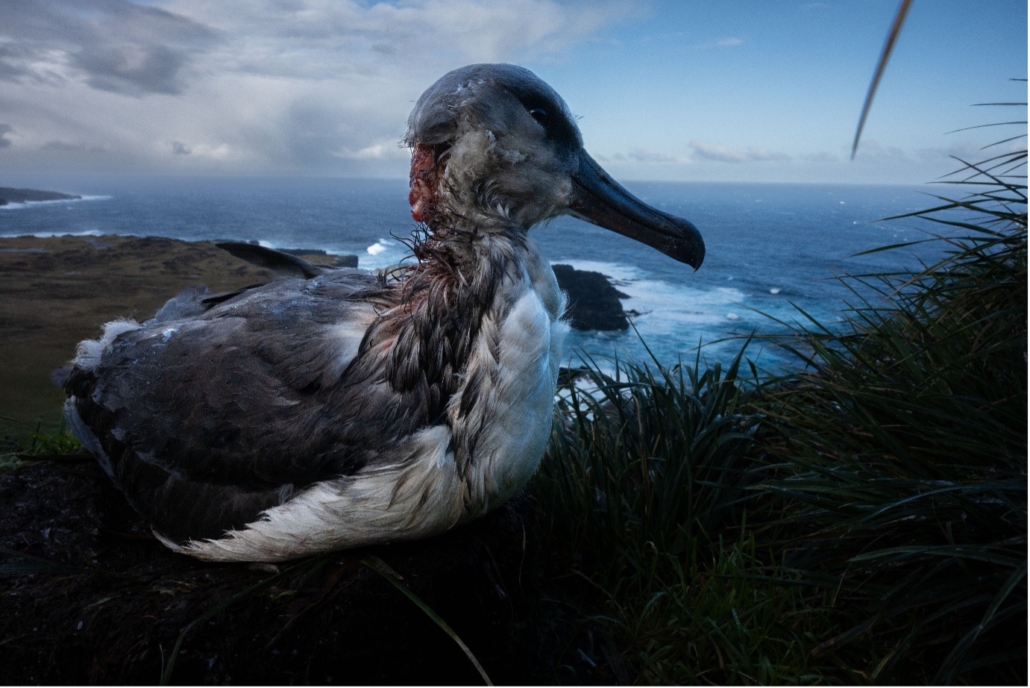
Above: Grey-Headed Albatrosses are one of the species facing local extinction due to mouse predation. Photograph: Otto Whitehead.

A phased approach
Eradicating mice on this scale requires meticulous preparation. The MFM Project’s planning is based on best practices honed over decades of global island restoration efforts. However, each island and operation has unique characteristics. Marion Island’s size (~30,000 ha), remoteness, climate, and the specific ecology and behaviour of the mice necessitate rigorous testing of these principles through site-specific research and meticulous planning and risk management. This approach enhances the likelihood of a successful outcome.
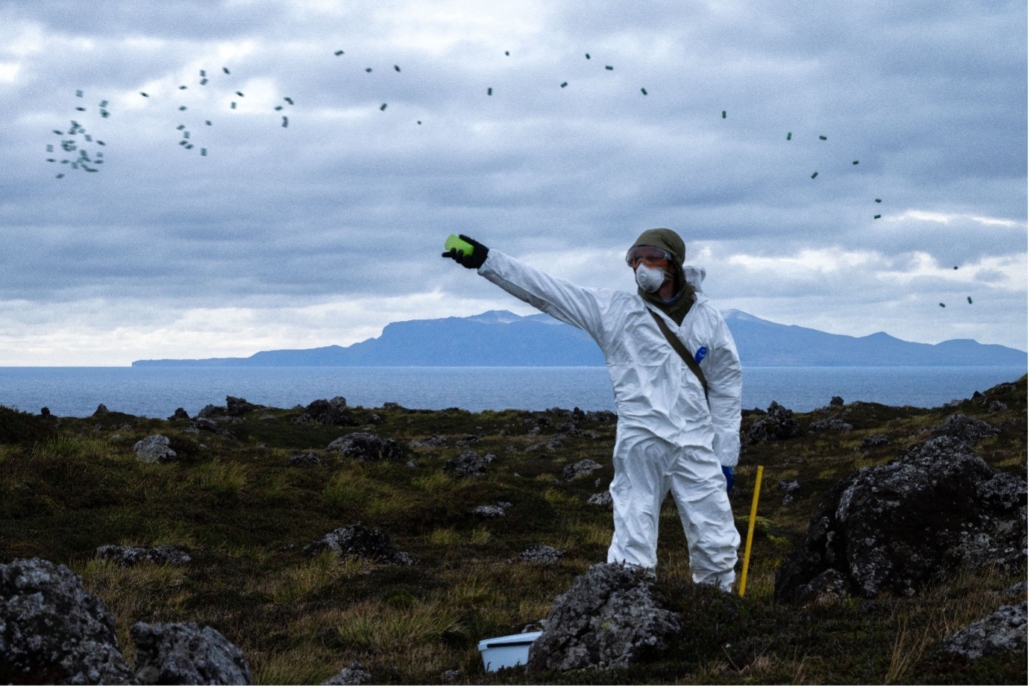
Above MFM Field Assistant, Roelf Daling, spreads bait across a trial site on Marion Island. Mouse-Free Prince Edward Island can be seen in the distance. Photograph: Otto Whitehead.
MFM Project Field Assistants have been stationed annually on Marion Island since 2022, studying mouse densities and distribution, conducting bait trials across all habitat types, and monitoring weather conditions. In May and August 2025, the team conducted the first toxic bait field trials on Marion Island, hand-baiting two 9 ha plots in lowland vegetation habitat. The results were informative: rapid bait removal in May reflected high seasonal mouse densities and food-caching behaviour, while slower removal in August indicated significantly lower densities in late winter. A further trial in the higher-elevation polar desert habitat in March 2026 confirmed much lower mouse densities there, with correspondingly reduced bait uptake.
This fieldwork sets the stage for our next major milestone: an aerial baiting trial over 975 hectares on the eastern side of the island, scheduled for April-May 2027. The trial is designed to validate key aspects of the operational approach before the island-wide eradication targeted for 2029.
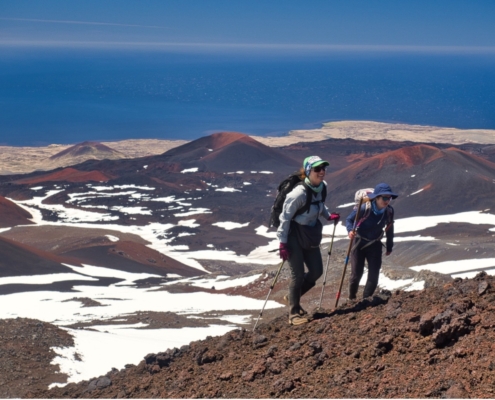
Above: MFM Field Assistant, Vonica Perold, and Camilla Smyth (current seal researcher and previous MFM Field Assistant during 2023/2024) hike to a field site in the polar desert region of Marion Island. Photograph; Roelf Daling
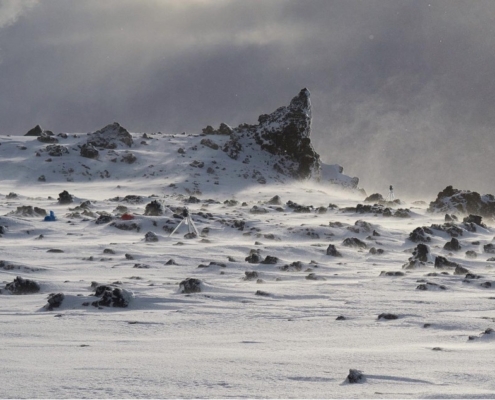
Above: Trail camera monitor mice abundance in challenging conditions. Photograph; Roelf Daling
Bait bucket calibration trials in New Zealand
Even and comprehensive bait distribution is essential for a successful eradication, as any gaps in coverage could allow mice to survive and compromise the outcome. To help address this challenge, the MFM Project has collaborated with the New Zealand Department of Conservation to conduct calibration trials in New Zealand using helicopter-slung bait buckets. These trials aim to understand how various pellet configurations disperse from the air, ensuring effective coverage during aerial application.
Pellet size is one of the subtler but consequential variables in this work. A smaller pellet means more individual pellets per kilogram of bait distributed, and more pellets on the ground means more encounter points for mice to find. This matters particularly for mice, which typically occur at higher densities than rats and tend to have smaller home ranges, meaning any individual mouse may cover less ground when searching for food. In principle, a reduction in pellet size could therefore improve the probability of every mouse on the island finding and consuming a lethal dose of bait. The project’s approach is to test whether such a modification genuinely delivers that advantage, while evaluating potential downsides: smaller pellets can be more susceptible to weathering in Marion Island’s harsh climate and may behave differently when distributed from a helicopter’s underslung bait bucket.
Trials in November 2025 and January 2026 tested a modified bait pellet, producing detailed data on distribution and swath width. Further trials are planned for September 2026. As with the field trials undertaken on Marion Island, the findings of the bait bucket calibration trials will inform the 2027 aerial baiting trial design.
A landmark pledge
The project’s total budget is approximately US$36 million. In early 2026, a Swiss-based foundation pledged US$10 million (the largest single donation the project has received) following a thorough review of the project’s planning, governance and risk management. The pledge brings the project to approximately 60% of its funding target and the final implementation of the project is contingent on the balance being raised. Other recent contributions include ZAR 1 million from the Lewis Foundation, US$ 1 million from Mark Shuttleworth, and approximately ZAR 6.5 million raised through on-board auctions and fundraising activities on the 2025 Flock to Marion AGAIN! voyage and on Antarctic cruise ships over the last couple of years.
How you can help
There are several ways that you can support the project:
The Sponsor a Hectare crowd-funding initiative invites individuals to symbolically adopt a hectare of Marion Island for ZAR 1,000, with proceeds going toward the cost of the project. This initiative complements the major institutional and philanthropic funding that will ultimately carry the project to completion, while offering everyone – not just large funders – a direct personal stake in its success. As of June 2026, more than 2,700 supporters have sponsored 13,592 hectares, a tangible illustration of how broad, grassroots backing adds up alongside the major institutional and philanthropic funding. Sponsoring a hectare, or several, is one of the simplest ways of supporting Marion Island’s seabirds today.
You can acquire one of Leigh Wolfaardt’s limited-edition fine-art prints of the “Albatrosses of the Prince Edward Islands”, which has been designed specifically to raise awareness and funding for the MFM Project. Of the proceeds generated from print sales, 50% goes directly to the MFM Project and supports the conservation of these remarkable seabirds. Prints can be purchased from Leigh’s website: here.
You can also help by raising awareness of the project within your networks. Securing the remaining funding depends largely on reaching the right people, and personal introductions are often the most effective path. If you know of a prospective donor, or someone who might be able to facilitate an introduction to a foundation or individual with an interest in conservation, the team would be genuinely grateful to hear from you.
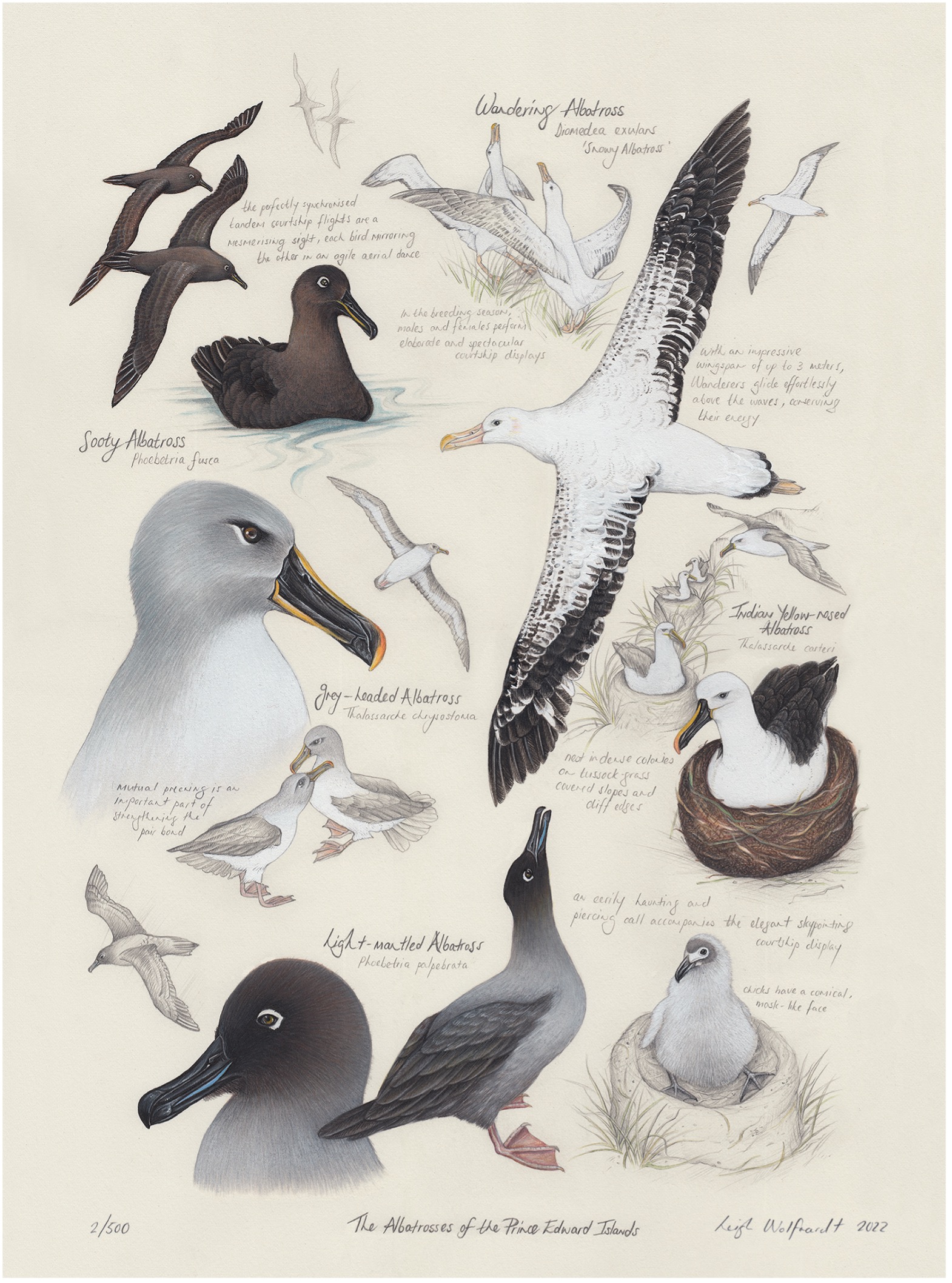
Above: The Albatrosses of the Prince Edward Islands. Artwork by Leigh Wolfaardt, with sales of the limited edition prints being used to support the MFM Project
A future worth protecting
The Mouse-Free Marion Project represents a rare opportunity: a chance to make a measurable, lasting difference to one of the world’s most extraordinary and irreplaceable ecosystems. The seabirds of Marion Island have no voice of their own, but together we can speak for them through our actions and our generosity. We would be deeply honoured to have you stand with us as we work to restore and protect this remarkable treasure for generations to come. The island is waiting, the birds are counting on us, and we believe that you, like us, understand that some things are simply worth fighting for. Thanks again for your interest and support.

Above: A healthy Grey-Headed Albatross colony nesting at Marion Island. Photograph: Otto Whitehead
Bird Trivia
by John Home

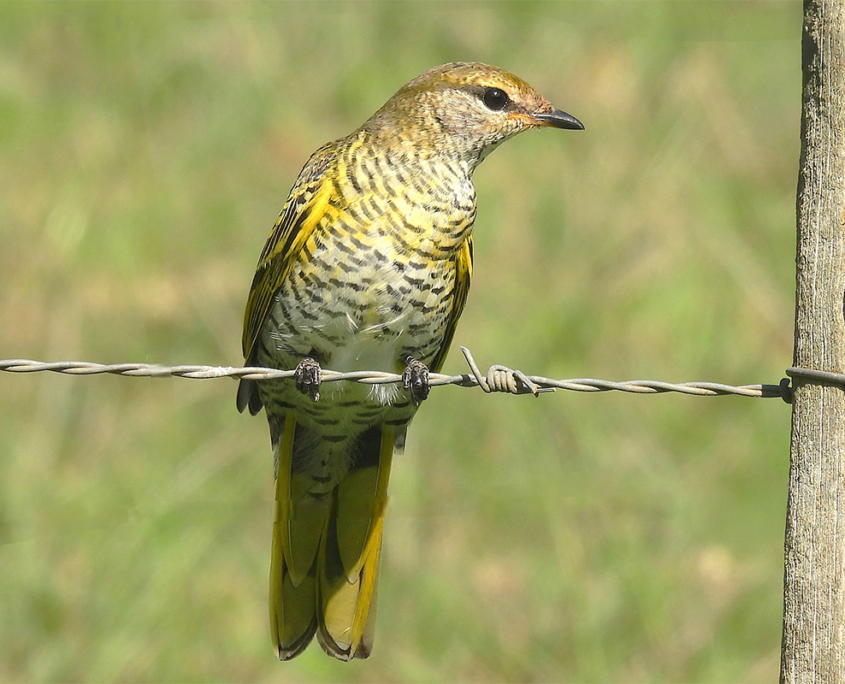
1/ Do you know the difference between the male and female Black Cuckooshrike?
Do you know that the male and female Black Cuckooshrike look completely different?
The male is all black with a prominent yellow gape and sometimes with a yellow shoulder patch. The female is distinctively barred below with yellow edges to the wing feathers.
Here are photographs of the two birds to illustrate how different they are.
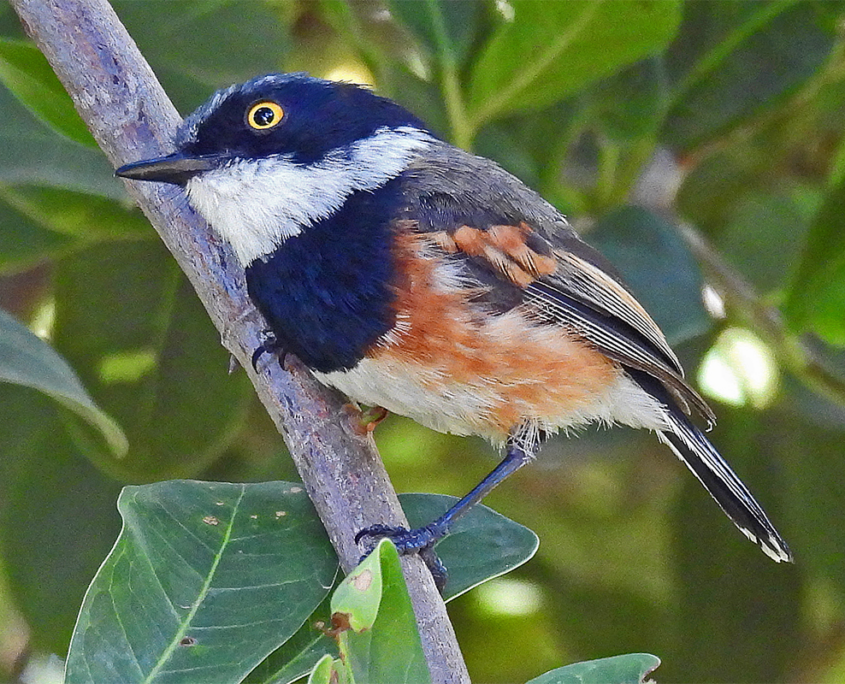
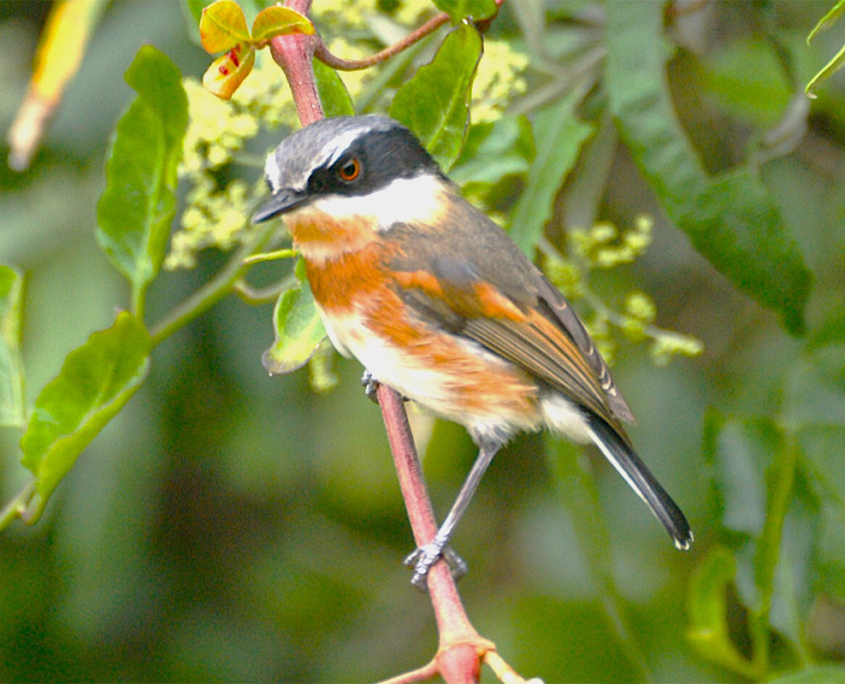
2/ Do you know the difference between a male and female Cape Batis?
The male has a white throat and a broad black breast band, while the female has a chestnut throat spot and breast band, and a short white eyebrow which the male lacks. Both birds have a rich chestnut wing bar and feather edges. The male has a bright yellow eye and the female has a reddish-brown eye.
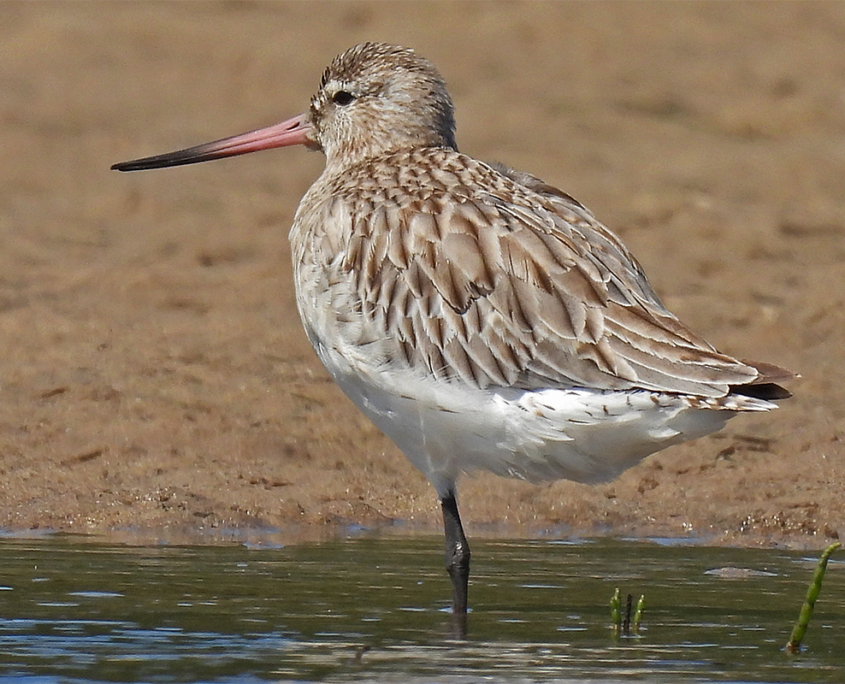
3/ The incredible Bar-tailed Godwit (Bandstertgriet)
A Bar-tailed Godwit flew 13,391 kilometers in 11 days without touching water or land, and without anything to eat, drink, or rest.
The bird was hatched in Western Alaska, fitted with a 60-gram satellite transmitter, and ringed as B6. It then flew south across the Pacific Ocean to land safely in Tasmania.
Scientists cannot explain how a young bird can fly across the Pacific Ocean on its first migratory flight.
If you want further details about this flight, Google “Bar-tailed Godwit… the longest flight.” There is also a book by Bruce Beehler called The Flight of the Godwit: Tracking Epic Shorebird Migrations.
Water Thick-knees and dead Cape Fur Seal
by Ian Thomas
In March this year, during some hot weather, a huge bull Cape Fur Seal washed up on Robberg Beach. Its demise was probably caused by a large, bite-shaped wound on its left side. It must have been floating for some time, as the wound was already festering. Mostly, these carcasses get taken away by a big front-end loader, but this time it was left there to rot. This was good and bad. Bad, because it stank and was infectious. Good, because it attracted a lot of insects and birds. It also attracted curious humans, some with dogs; many of these dogs licked the carcass—a few even took a bite out of it.
Blowflies (Chrysomya albiceps) usually are, and were, the first flies to find the carcass—they can smell rotting flesh from up to 16 km away. They immediately started laying eggs in the wound, mouth, nose, and anus. Two days later, the carcass was chock-full of their larvae—pale, legless maggots. The first stage of these maggots, or instars, feed on decomposing tissue. The second and third instars become predators, feeding off the larvae of other species—sometimes even practicing cannibalism. Soon, thousands of maggots were eating the carcass, and it began to shrink, seeming to melt down into the sand.
Three White-necked Ravens found the carcass, plucked out the eyes, and stripped the face of its skin and flesh, leaving it with a ghoulish look. A Kelp Gull also pecked at the face, and then went to the sea and spent some time washing its beak. Both the ravens and the gull left their tracks in the sand near the skull—clear evidence of their scavenging.
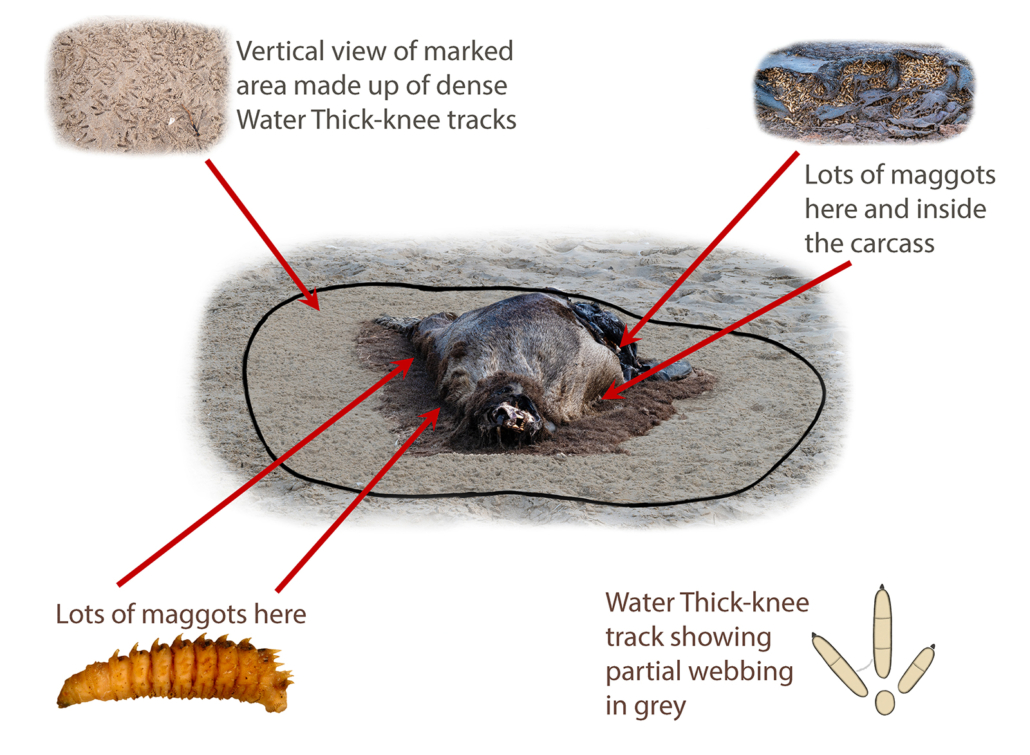
Click on image to enlarge

Water Thick-knee by Ian Thomas
The carcass was now reeking; an intensely pungent, heavy, and complex stench. Even the Kelp Gulls lost interest in it. However, when I checked the carcass in the morning, it was surrounded by lots of Water Thick-knee tracks. Next to the seal, they were so dense that they overlapped one another. I presumed that in the dark they were feeding on the maggots. That night, I went to the carcass with a powerful torch and saw at least four Water Thick-knees next to it, but as I approached, I heard that high-pitched, piercing ribbon of sound, “pi-pi-pi-pi-pi-pee-peetee-peeee-pe-eeeee,” and they flew off down the beach.
The next two days and nights were the same. In the dark, the Thick-knees were at the carcass. I saw them and heard them calling, but could not get close enough to actually see if they were eating the maggots. Each morning, their tracks were dense around the carcass. Maggots are highly nutritious, containing 30–60% crude protein and rich in healthy fats, amino acids, and minerals. However, maggots from a decomposing seal carcass are exposed to various nasty pathogens. I cannot be certain, but as with the ravens and the gull, the tracks tell a story—which strongly indicates that the Water Thick-knees were eating the maggots. If so, they must have an extremely powerful defense system to neutralize these pathogens, something akin to vultures that have acidic stomach juices and powerful antibodies.
Seven days later, the maggots had collapsed the carcass, and there was a big swell in the bay. Two of the biggest waves rode up the beach and engulfed the now-flat seal—and he went back to the sea. All that was left was a dark stain on the sand, populated by numerous tiny flies. Two Cape Wagtails and a White-fronted Plover moved in and ate them. They, too, probably have a good defense against infectious pathogens.
This bull seal had the most wonderful and diverse burial: some of him went into the beach, some into the air, and some back to the sea. Way better than being carted off by a front-end loader and dumped in a landfill.

Connecting Continents:
What Ringed Birds Revealed About Plettenberg Bay in 2025/2026
by Dr Mark Brown and Dr Kelly Brown, Conserve Eden
The 2025/2026 summer season produced one of the most remarkable collections of ringed bird recoveries and resightings ever documented through the work of the Plett Stranding Network (PSN). We are grateful to Conserve Eden, BirdLife Plettenberg Bay, CapeNature, NVT, ORCA Foundation, Tenikwa Wildlife Rehabilitation Centre, Robberg Veterinary Clinic, and numerous dedicated volunteers and interns, as well as members of the public who reported ringed dead birds to us.
From tiny Common Terns travelling more than 10,000 km from Finland and Israel, to locally ringed Kelp Gulls over 22 years old, and a Common Tern that established a new SAFRING longevity record, these recoveries tell extraordinary stories of migration, survival, and the value of long-term conservation monitoring.
Season Highlights
Total Records Documented
24 ringed bird recoveries, rescues, rehabilitations, and resightings
International Connections
Birds recovered in Plettenberg Bay and Nature’s Valley had been ringed in Finland, Israel and Ireland, with some good movements recorded within South Africa as well.
Long-Distance Migration
| Species | Ringing Location | Recovery Location | Distance |
| Common Tern | Seinäjoki, Finland | Plettenberg Bay | 10,764 km |
| Common Tern | Hamina, Finland | Plettenberg Bay | 10,516 km |
| Sandwich Tern | Wexford, Ireland | Plettenberg Bay | 10,015 km |
| Common Tern | Atlit, Israel | Nature’s Valley | 7,476 km |

What These Recoveries Tell Us
Several themes emerge from this season’s data.
- Plettenberg Bay is Globally Connected
A bird standing on Lookout Beach may have hatched in Finland, Ireland, Israel, Algoa Bay, Bird Island, Robben Island, Nature’s Valley or Cape St Francis. The recoveries demonstrate that Plettenberg Bay forms part of a vast international network of coastal habitats used by migratory seabirds.
- Seabirds Live Remarkably Long Lives
Five birds exceeded 20 years of age:
| Species | Ring Number | Age |
| Cape Gannet | 9A00599 | Nearly 30 years |
| Common Tern | 4H16740 | >25 years |
| Sandwich Tern | DB03624 | 25.5 years |
| Greater Crested Tern | 5H31663 | 23.9 years |
| Kelp Gull | K27703 | >22 years |
These birds survived storms, predators, disease outbreaks, fisheries interactions and thousands of kilometres of annual migration.
- Local Ringing Programmes Matter
The Plettenberg Bay Kelp Gull ringing programme, now spanning more than two decades, continues to produce valuable information on longevity, movements, rehabilitation outcomes and threats facing bird populations.
- Beach Patrols Generate Scientific Knowledge
Without the dedication of PSN volunteers, interns and partner organisations, many of these stories would never have been discovered. Every ring checked on a stranded bird contributes to international databases and improves our understanding of seabird ecology.
- Conservation is a Global Effort
The recovery of birds ringed in Finland, Ireland and Israel reminds us that conservation does not stop at national borders. A tern that breeds in Europe may depend on South African coastlines for survival for half of every year. Protecting these birds requires collaboration across continents.
Final Thoughts
The 2025/2026 season was remarkable not simply because of the number of ringed birds recorded, but because of the stories they told. A Finnish tern crossing continents, an Irish Sandwich Tern surviving more than 25 years, a locally ringed gull still alive after two decades, and a Common Tern establishing a new South African longevity record all highlight the extraordinary lives of the birds that share our coastline.
Every ring recovered represents a life history revealed, a scientific data point collected, and another reminder of why the work of the Plett Stranding Network and its partners is so important. Together, these records demonstrate that Plettenberg Bay is not just a local conservation hotspot—it is part of a truly global seabird network stretching from the Arctic to the Southern Ocean. We are grateful to BirdLife Plettenberg Bay for funding provided for Conserve Eden’s bird ringing program.
Exploring the Mallee
by Bruce Ward-Smith
Bruce Ward-Smith is an Honorary Life Member of our Club. He was a former Chairman, Secretary, and Committee member for many years before he moved to Australia to join his family there. He is also a very good photographer.
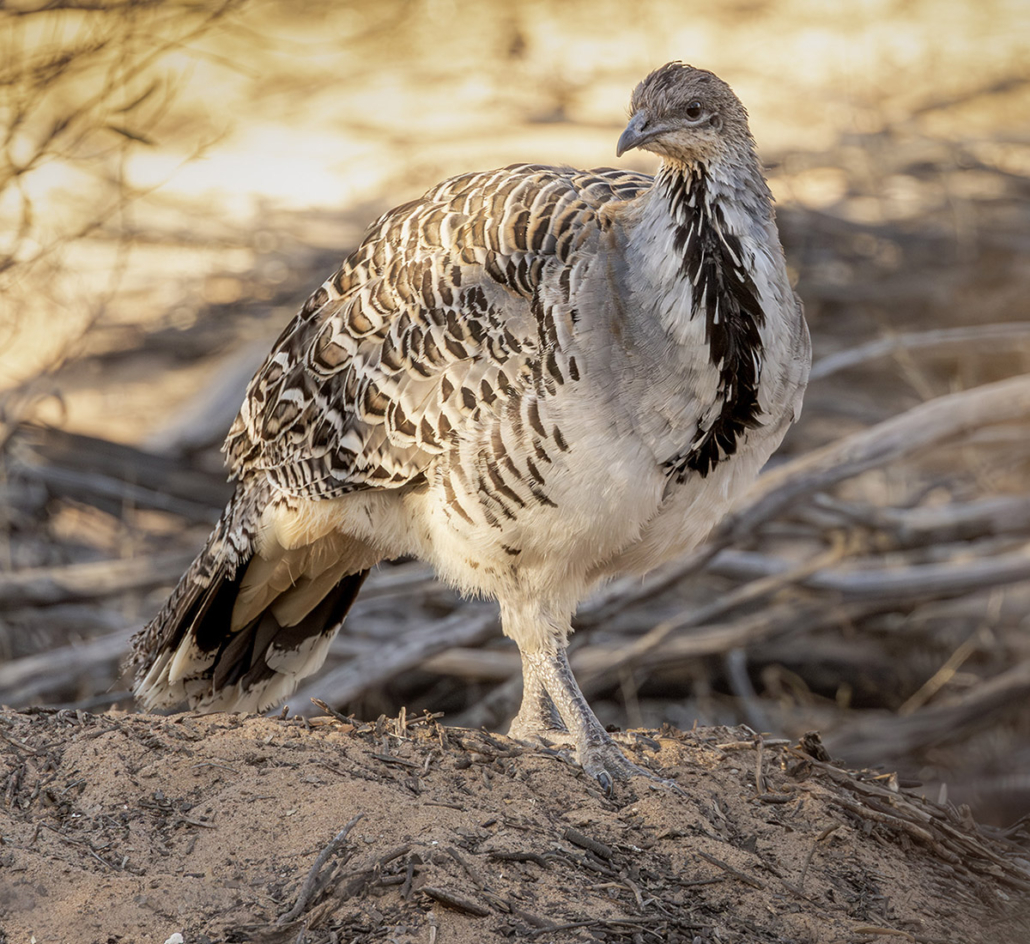
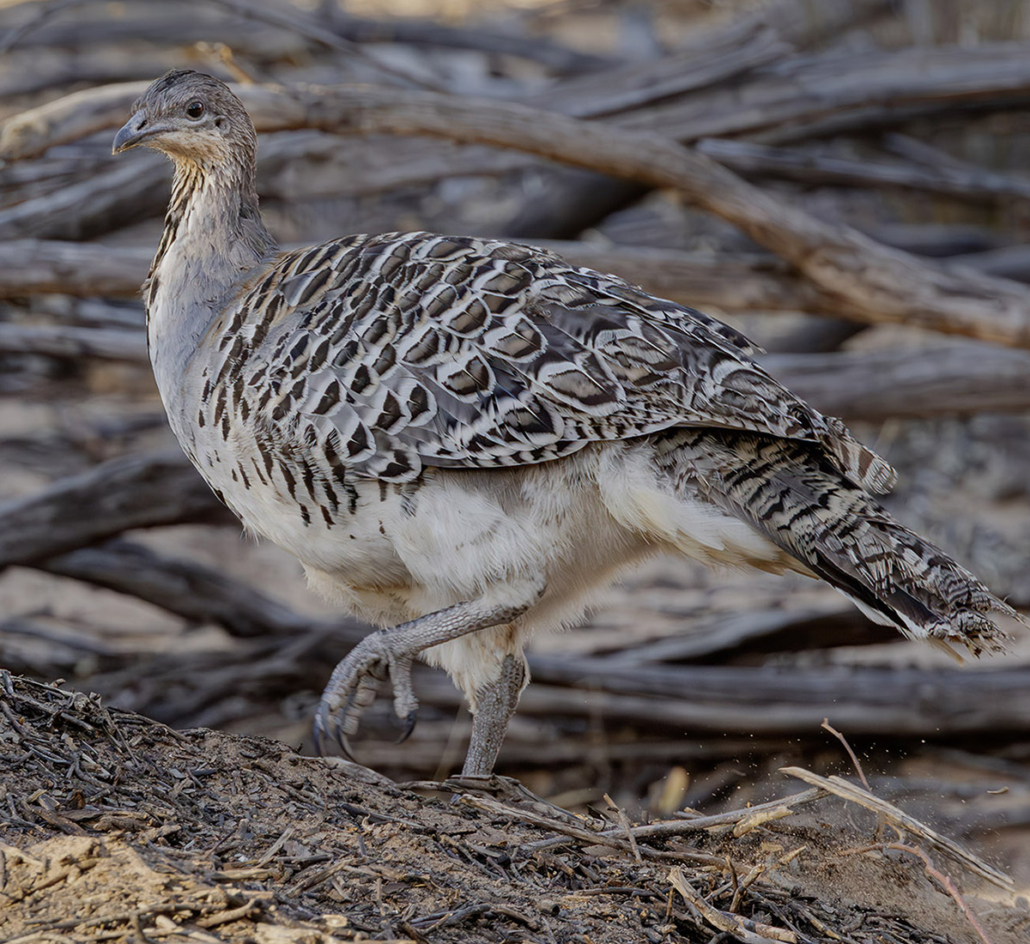
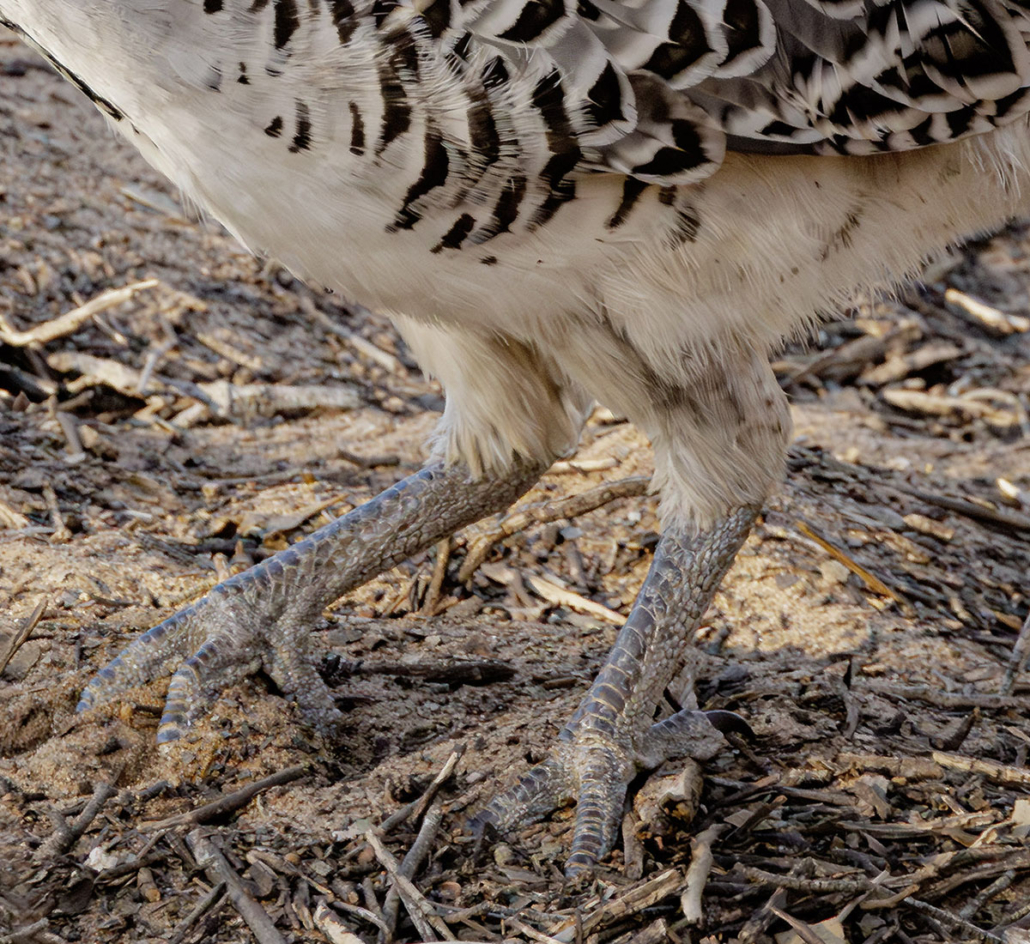
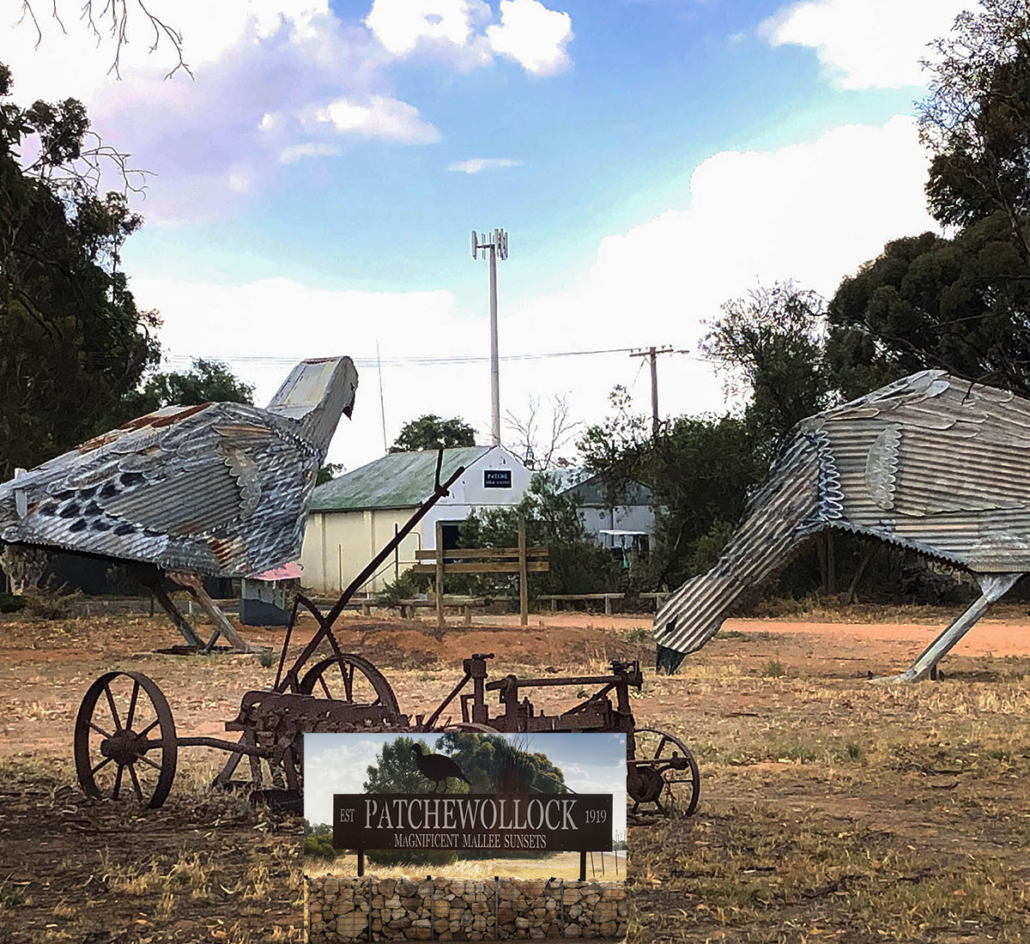

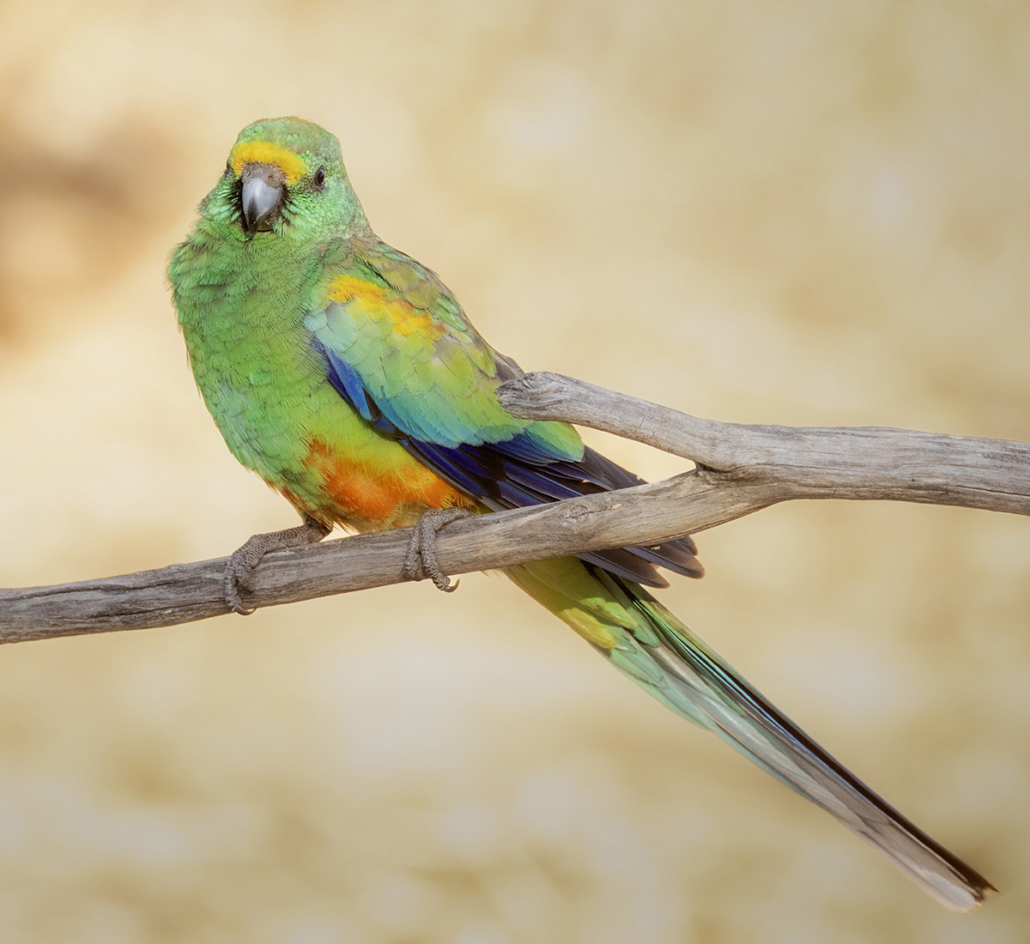
It has become a tradition for our Australian family to go to Melbourne in January for several days to watch the Australian Open tennis. They fly, while I drive and get in a birding trip somewhere en route. This year I decided to go to a semi-arid region in the west of Victoria (a state) referred to as mallee country.
Mallee is a type of dry woodland with sandy soils, not unlike parts of the northern bushveld in SA. The trees are mainly Mallee eucalyptus with an understory of salt bushes and other shrubs; rainfall is low.
The bird life is different and suited to these conditions. The Malleefowl bird was the main target for me. This guineafowl-sized bird is rare and extremely interesting.
The Malleefowl (Leipoa ocellata) is a unique, ground-dwelling Australian bird famous for being a mound-builder that relies on geothermal heat to incubate its eggs. Found in semi-arid shrublands, they are highly solitary, elusive, and monogamous, often returning to the same nesting site annually. Their chicks are born independent and must dig themselves out of the mound, facing an 80% mortality rate in the first 10 days due to predators like foxes and cats.
-
Breeding and Nesting: Males build massive mounds (up to 5m in diameter) made of leaf litter and sand to create a compost-like incubator. They monitor the temperature with their bills, ensuring it stays around 34 degrees.
-
Egg-laying: Females lay 15-24 eggs in a season, often laying one egg every 4-8 days.
-
Independent Young: Chicks hatch underground, dig to the surface alone, and can fly within hours.
-
Appearance: They are similar in size to a domestic chicken (about 60cm).
Long-crested Eagle (Lophaetus occipitalis)
Seen at The Plettenberg Manor on Wednesday 13th May 2026, perching on a tall bush, as its normal perch had been blown down in the high winds. This is female bird having dirty white leggings. This raptor is superb at catching vlei rats, beings its favoured prey item. It caught a vlei rat shortly after this and ate the rat on the ground, rather than flying up into a tree. This is one of my favourite Raptors and quite common in Plett and the Garden Route now.
by Mike Bridgeford

Penguin release at Lookout Beach.
by John Home
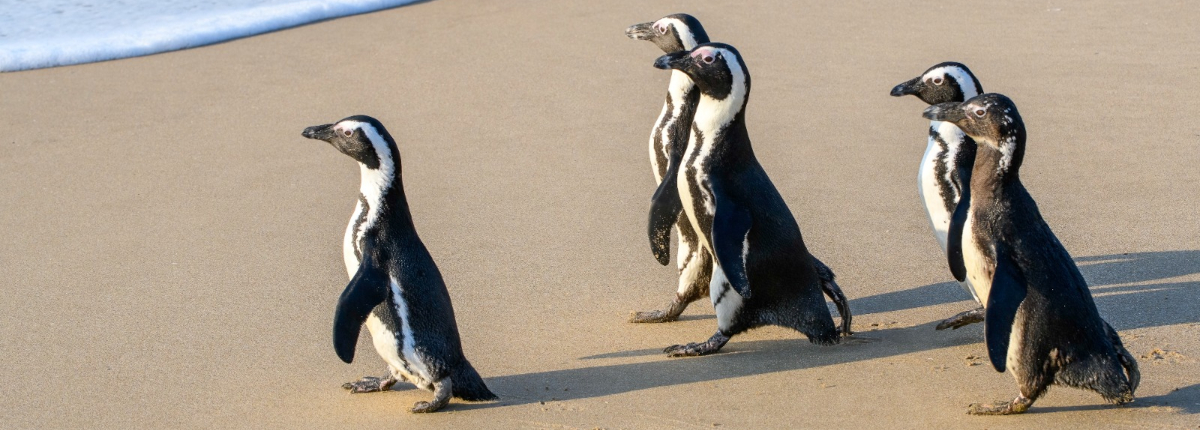
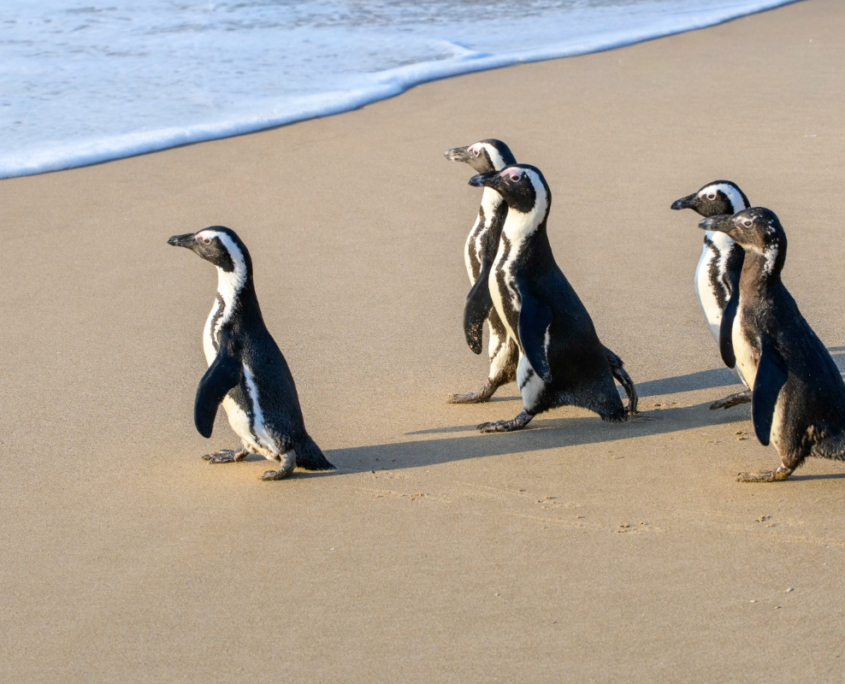
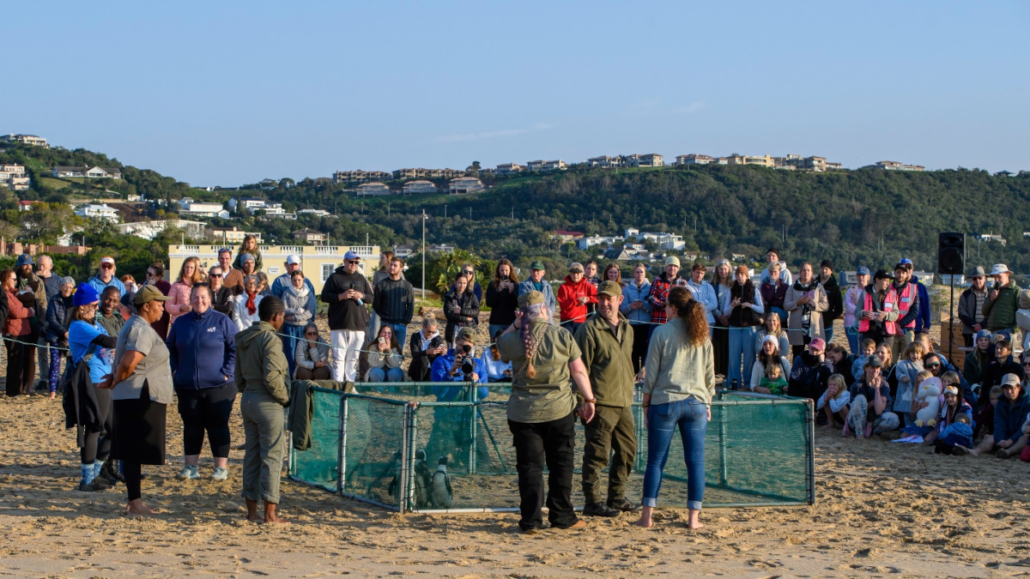
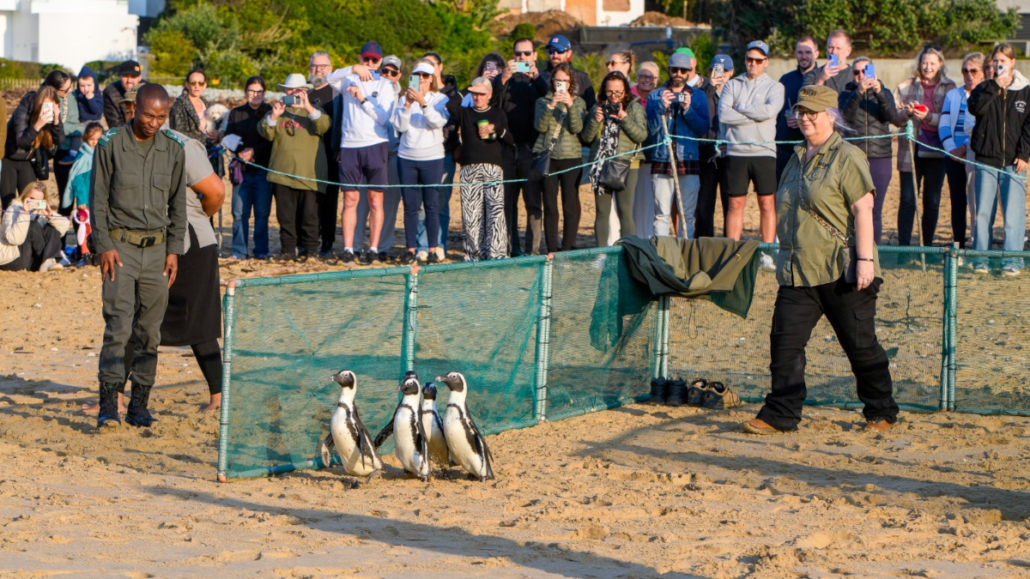
On Saturday the 20th of June, we had the privilege of helping to host a penguin release at Lookout Beach. After months of rehabilitation at Tenikwa Wildlife Rehabilitation Centre, five African Penguins (Spheniscus demersus) were able to splash out through the waves and return to the wild. Each penguin has its own story:
-
Penny – found on Robberg Peninsula with a broken flipper.
-
Lucky – washed up on Thesen Island severely dehydrated and undernourished.
-
Minke – found at Buffels Bay with signs of surviving a seal attack. She was also underweight and needed to be treated for biliary disease.
-
Easter – tried to moult on a very busy beach in Plettenberg Bay over the Easter weekend. During their moult, penguins lose the feathers they rely on to keep them warm and waterproof, making them particularly vulnerable, so a busy beach is not a safe place to be.
-
Thai – was picked up on Keurbooms Beach as another victim of a seal attack.
Their release is not just a victory for these five brave penguins, but also for the conservation of the African Penguin as a whole. The species is considered critically endangered, with only 8,750 breeding pairs left—down from 150,000 in the 1950s. They face grave threats from a lack of food due to overfishing, disturbances due to shipping near their colonies, and disease.
The release went smoothly, with about as perfect a morning as one could hope for in the middle of June: calm seas and not a breath of wind. No doubt this added to the enjoyment of the crowd that gathered along the beach to watch these remarkable birds return to the ocean.
Of course, none of this would have been possible without the help of several incredible organisations whose hard work and dedication we are all extremely grateful for: Tenikwa Wildlife Rehabilitation Centre, Nature’s Valley Trust (NVT), Plett Marine Animal Stranding Network, Robberg Veterinary Clinic, CapeNature, SANParks, Bitou Municipality, Plettenberg Bay Tourism, and, last but not least, Prawnstar Tackle and Bait, who were the only business able to supply sardines to the recovering penguins.
We are also incredibly grateful to everyone who came out to watch the release and for their generous donations that make the rehabilitation of these penguins possible. These birds are in desperate need of all the help they can get. Two practical ways we can help are by donating to help cover the costs of rehabilitating the birds to the account below, and by reporting stranded birds to:
-
Plett Marine Animal Stranding Network: 079 463 4837
-
Tenikwa Emergency Number: 082 486 1515
Account for Penguin Donations
-
Bank: Nedbank – Plettenberg Bay
-
Account Name: BirdLife Plettenberg Bay
-
Branch Code: 198765
-
Account Number: 1127680897
-
Reference: Penguin and your name
Every successful release is a reminder that, with the support of dedicated organisations and the public, there is still hope for the future of the African Penguin.


Black Sparrowhawk (Accipiter melanoleucus)
Seen at The Plettenberg Manor on Monday 18th May 2026 in the pine trees near the water hole. A favourite perching area for this bird and its mate. I suspect this is the male bird (being quite a bit smaller than the female, and being the more normal melanistic morph. The female bird has a white breast, and I suspect it is the bird now in Raptor Rescue Plett after being caught in a barn at Kwendalo and loosing some feathers.
A stealthy Raptor capable of taking chickens as well as large doves. They love roosting in alien trees such as gums. (A good reason to leave the odd Gum tree in situ)
by Mike Bridgeford
Slow Down. Look Up. Reconnect.
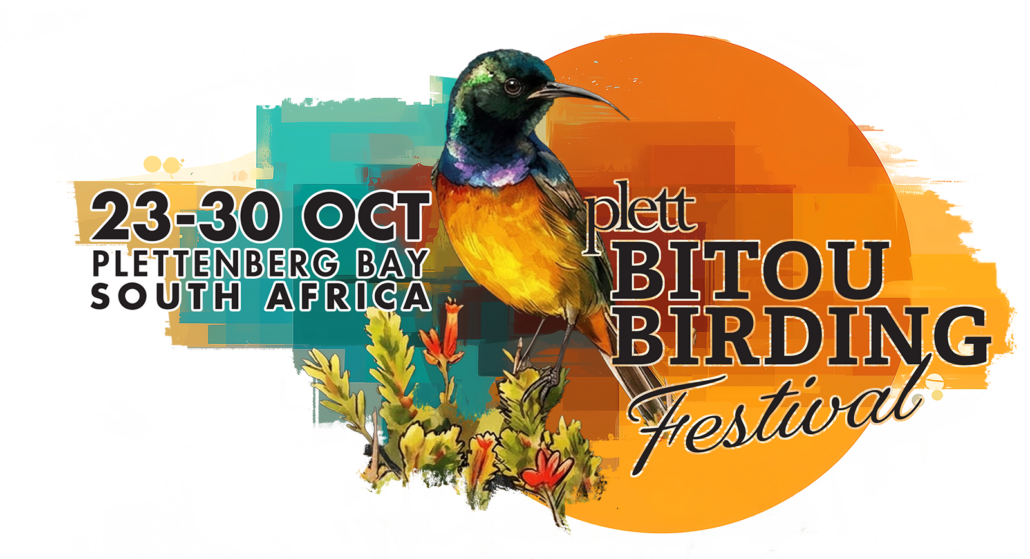
As the winter chill settles over our beautiful bay, our thoughts are already taking wing toward spring and one of the most anticipated events on our local calendar. We are thrilled to announce that the Bitou Birding Festival is returning for its third consecutive year from 23 to 30 October 2026!
The 2026 Theme: Slow Down. Look Up. Reconnect.
Our fast-paced modern lives often leave us rushed, screen-bound, and disconnected. This year’s festival theme—“Slow Down. Look Up. Reconnect.”—is an invitation to step off the treadmill. We invite you to experience the restorative, therapeutic power of birding.
Whether it is listening to the dawn chorus of the Knysna Turaco in our ancient forests, watching a Malachite Sunbird flash in the fynbos, or observing an African Black Oystercatcher on our rocky shores, birding teaches us the art of noticing. It brings us back to the present moment and reconnects us to the living, breathing landscapes we call home.
What to Expect in 2026
This year’s week-long programme is shaping up to be our most immersive yet, featuring:
- Guided Bird Walks exploring our rich local biomes (forest, fynbos, wetlands, and coast).
- The Festival Hub at Kwendalo: Enjoy inspiring expert talks, witness bird-ringing demonstrations, explore nature-inspired art, browse birding gear, and swap stories over a healthy bite at the café.
- River and Estuary Excursions (canoe and boat cruises) and our highly anticipated offshore pelagic expedition.
- Conservation Workshops and family-friendly activities designed to spark curiosity in the next generation.
Save the Dates & Get Involved!
Please mark your calendars for 23–30 October 2026.
As we prepare to welcome birders and nature-lovers from across the country, we would love for our BirdLife Plett family to be front and centre once again. We will soon be opening up volunteer sign-ups for walk leaders, co-guides, and hub assistants. If you would like to share your passion for Plett’s extraordinary avian life, please keep an eye on your inbox for details on how you can get involved.
Keep your binoculars ready, slow down, look up, and let’s get ready to reconnect!
For more details, speaker announcements, and to secure your tickets in the coming weeks, visit bitou.birdingfestival.co.za or follow the festival on Facebook (@bitou.birdingfest) and Instagram (@bitou_birdingfest).

COMMITTEE:
CHAIRPERSON: Ann Mawer – 082 446 4200
VICE-CHAIRPERSON: Patrick Raymond – 083 377 9580
TREASURER: Darryl Harrison – 082 651 8985
Jenny Wilson – 083 388 5006
SECRETARY: Pippa van Noppen – 082 878 6662
HONORARY PRESIDENT: Mike Bridgeford – 083 266 7634
NEWSLETTER EDITOR / EVENTS: John Home – 082 554 5002
COMMUNICATION DESIGN: Stephan van Wyk – 072 554 3995
Jarryd Dunn – 079 978 0618

2026-09-05 Sabrina’s Farm