
Newsletter
December 2025

Chairman’s Chirp
by Ann Mawer
Reflecting on a Year of Progress and Passion
As the year 2025 draws to a close, it is my privilege to present the chairman’s report for Birdlife Plettenberg Bay. This year has been marked by renewed enthusiasm, growth in our membership, and significant strides in our conservation and educational efforts. I am deeply grateful to our dedicated committee, their families, and our members who have made these achievements possible.
Conservation Highlights
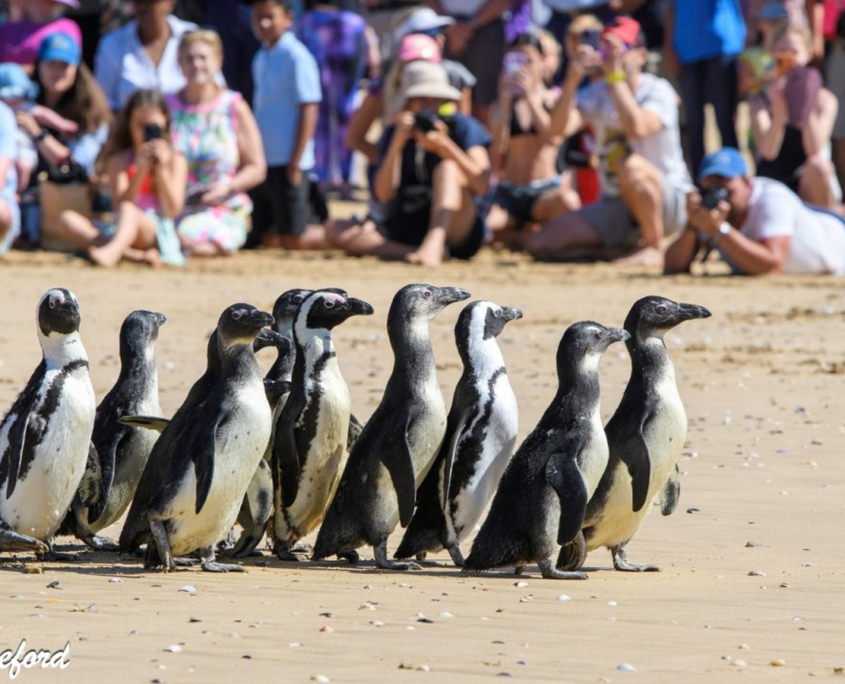
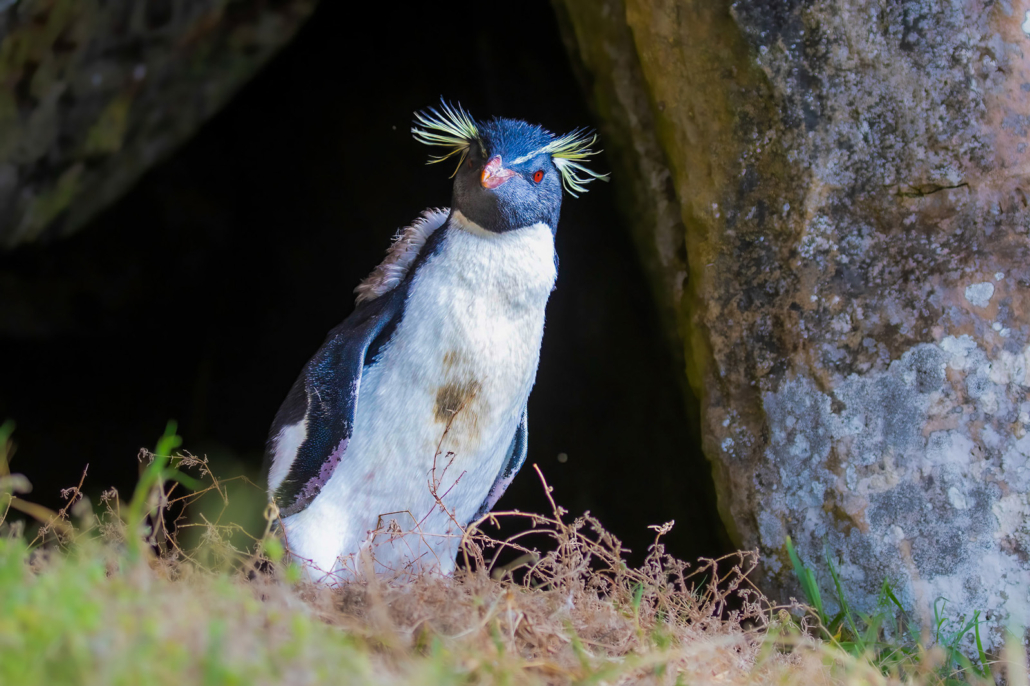
In 2025, Birdlife Plettenberg Bay was actively involved in several conservation projects. Our ongoing monitoring programmes have contributed valuable data to regional conservation efforts. We have assisted with many releases of rescued and rehabilitated birds. The most charismatic of these is the critically endangered African Penguins (Spheniscus demersus). Over the years, our combined efforts have resulted in the release of more than 153 penguins. We continue to work with our rehabilitation partners to support their work and dedication. We provide funding, guidance and monitor progress.
Events and Activities
This year’s calendar was filled with memorable presentations, outings and away trips. Guest speakers brought fresh perspectives on topics ranging from threatened species, migratory patterns, photography to the impacts of climate change.
Looking Ahead
In 2026, we will be starting the year with our 30th AGM, our speaker will be Trevor Hardaker, a renowned birder and rarity specialist.
The club will continue its mission to protect birds and their habitats, promote responsible birding, and nurture a vibrant, inclusive community. Plans are already underway for new conservation projects, educational programmes, and exciting events. I encourage all members to stay involved and to invite friends and family to join us in our shared passion for birdlife.
Birdlife Plettenberg Bay remains committed to promoting birding as a means of environmental education.
Gratitude and Farewell
In closing, I wish to express my sincere thanks to everyone who has supported Birdlife Plettenberg Bay in 2025. Your commitment and enthusiasm are what make our club so special. Together, we have made a positive impact, and I look forward to seeing what we can accomplish in the years to come.
With warm regards,
Ann Mawer,
Birdlife Plettenberg Bay
May your December be filled with memorable moments and your festive season with rest and renewal. We wish all our members safe journeys and a peaceful holiday period.
The Black Harrier
(Circus maurus)
Bird of the year 2026
The Black Harrier takes flight as Bird of the Year 2026 — South Africa’s most threatened near-endemic raptor.
With fewer than 800 adults remaining, its survival depends on our commitment to protect its fynbos, karoo and grassland habitats.
Photo by Patrick Raymond.
PRESENTATIONS, DINNERS, LOCAL OUTINGS AND AWAY TRIPS
by John Home
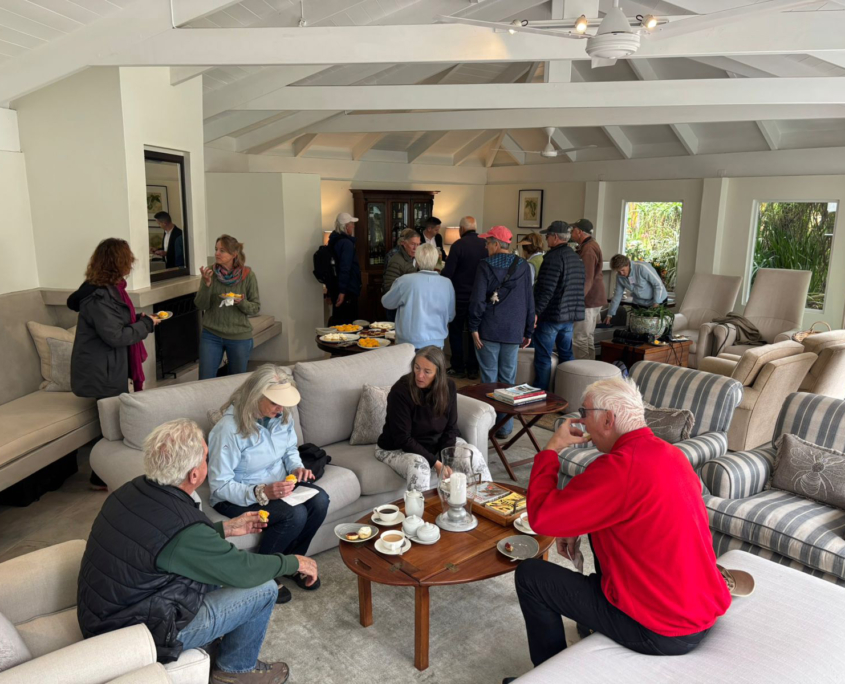
Since July 2025 the Club arranged four Presentations and Dinners, all of which were held at the Plettenberg Country Club, all were very well supported by our members,
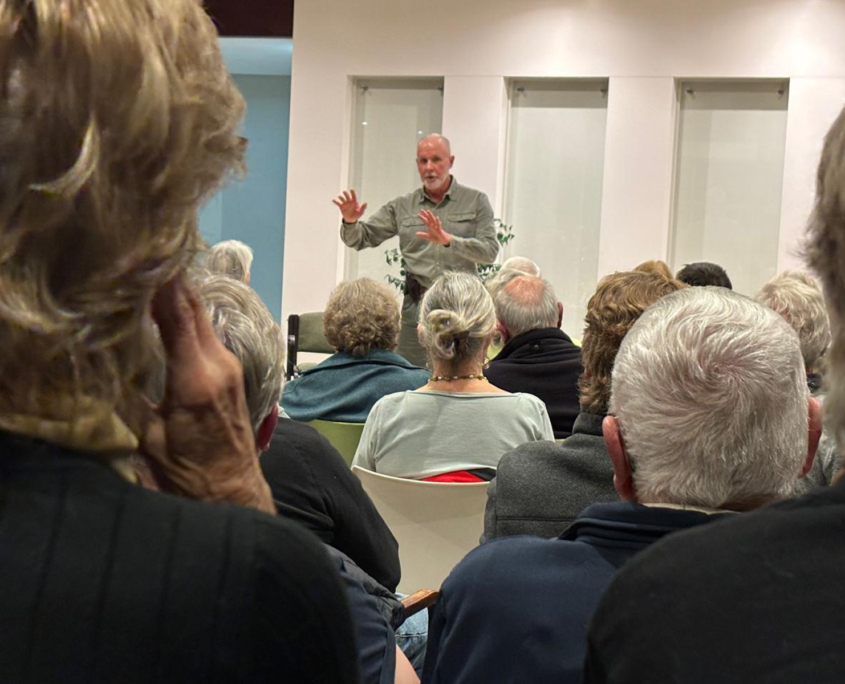
Our guest speakers were John Kinghorn of BirdLife South Africa, our own Ian Thomas who gave a hilarious talk on his life and time as a game ranger (watch a video clip by clicking here ), Dr. Gerhard Verdoorn on the future of the endangered Vultures and finally in October two of our new young members, Jarryd Dunn and his wife Kristen prepared and delivered an interesting and informative Bird Quiz which was enjoyed by all.
There have also been a number of local outingS since the July Newsletter. We went to the Narina Farm, Hunters Country Hotel, Natures Valley, Reflections Eco Reserve near Sedgefield, a walk around the grounds of Plettenberg Country Club and finally a successful outing to Raptor Rescue. All these outings were very well attended by our members.
We only had one away trip and that was to De Hoop in November. This was attended by 16 members and the trip was lots of fun and laughter.
Details of next years walks and outings will be circulated early next year.
Wishing all our members and friends a Safe, Happy and healthy Festive Season.


SAVE THE DATE
AGM – 14 March 2026
with guest speaker
Trevor Hardacker
SA Rare Bird News

MEMBERS’ ARTICLES
A WOODPECKER’S SCULL
by Ian Thomas

Bearded Woodpecker by Ian Thomas

Bearded Woodpecker by Ian Thomas

Bennett’s Woodpecker by Ian Thomas
Many people, have told me that Woodpeckers have a built in ‘shock absorber’ in their heads. This is supposed to cushion the impact of repeated pecking at wood and so prevent any damage to their brains. This hypothesis is often declared as a fact and is supposed to have inspired engineers to design superior shock absorbing helmets.
The prime candidate for this ‘shock absorber’ is a zone of spongy bone located between the upper beak and the brain (shown in yellow). But, there is no evidence that this or any other zone in the skull functions as a shock absorber. If it did act as a shock absorber it would severely impair the ability of the bird to peck out wood.
Anyone who has used a hammer to sink a nail into wood or a chisel hammer to remove wood will know that if there was a ‘shock absorber’ imbedded in either the head or the sharp end of the hammer , it would simply make it a bad hammer. So, there are good reasons to believe that Woodpeckers would actually have evolved to avoid any shock absorbers.
Research (Van Wassenberg et al.) has proved this; videos were used to track ‘landmarks’ i.e. dots located on the head and beaks of pecking woodpeckers. In these videos you can see that on impact, the deceleration of the skull is the same as the deceleration of the beak – which means that there is no shock absorber in the skull. The opposite is the case; a Woodpecker’s head acts as a stable hammer when they peck.


Bearded Woodpecker video by Patrick Raymond. Click on volume icon for sound.
So how do Woodpeckers protect their brains from getting damaged. They have a number of features that may reduce the impact forces.
- Its brain fits tightly inside the skull preventing it slamming against the skull.
- It has a vastly extended hyoid bone and tongue. This apparatus wraps around the skull, starting either from the front of the skull or the right nostril and ending in the bill. When taut this may act in a similar way to a seatbelt in a car and stabilise the skull when the bird is pecking.
- It has strong neck muscles that help the bird peck, but they also brace the head and absorb some of the shock.
- It can peck extremely accurately which may reduce the force needed behind each peck.
- It has a robust and quick nictitating membrane or ‘third eyelid’. An instant before the beak hits the wood, this membrane sweeps across the eye horizontally and shields the eye from flying chips of wood and probably stabilises the eye, preventing it ‘popping’ forwards and may reduce the risk of retinal damage from the sudden deceleration.
Computer simulations show that even the hardest strike with its beak, and therefore the greatest shock to its brain is considerably lower than the threshold for human concussion. I have seen Bearded Woodpeckers excavate a hole in a Knobthorn (Senegalia nigrescens) branch.
Initially they pecked through fairly soft sapwood, but at some point I believe from the colour change of the wood that they tunnelled, at least partly, into the heartwood ,which is extremely hard and heavy. In order to remove wood that hard they don’t need a shock absorber , they need a head that is stable driving a beak that is both sharp and accurate.
Woodpeckers minimise cranial absorption of shocks.
Reference :Sam Van Wassenberg, Erica J. Ortlieb, Maja Mielke,
Capped Wheatear
(Oenanthe pileate)
by Mike Bridgeford
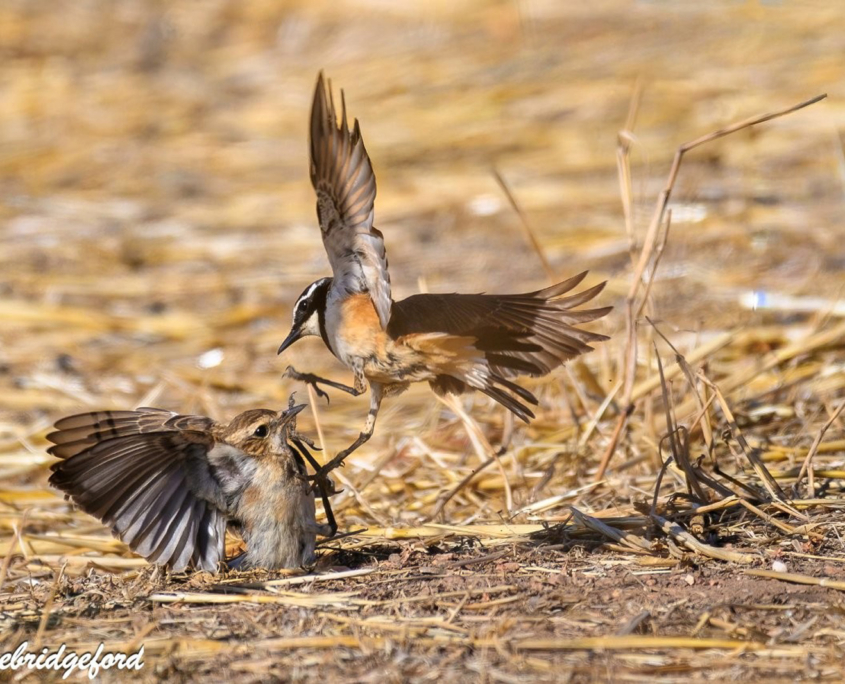
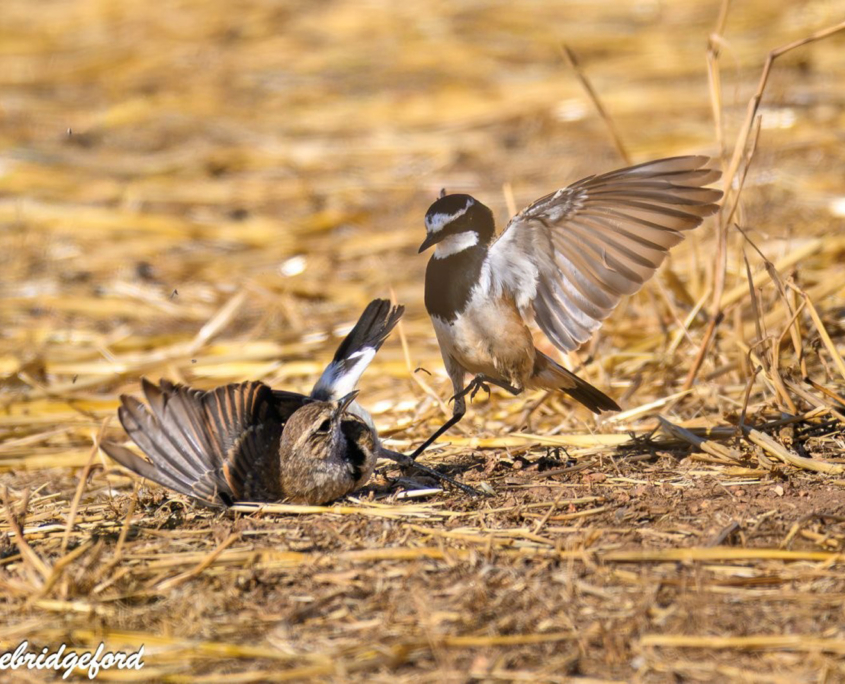
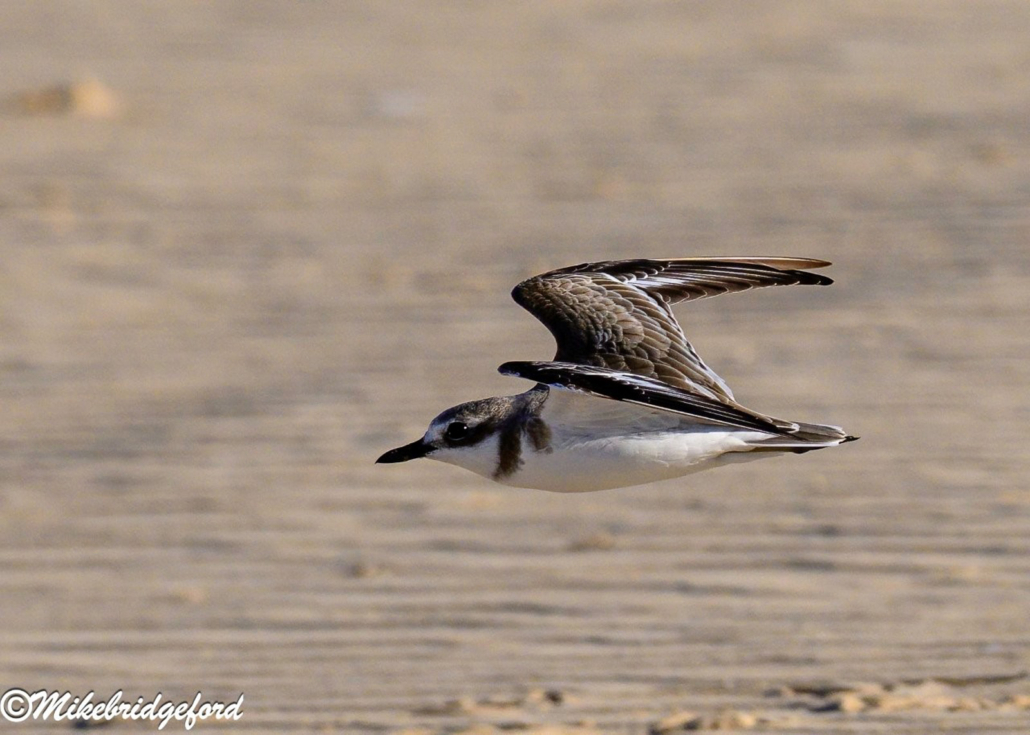
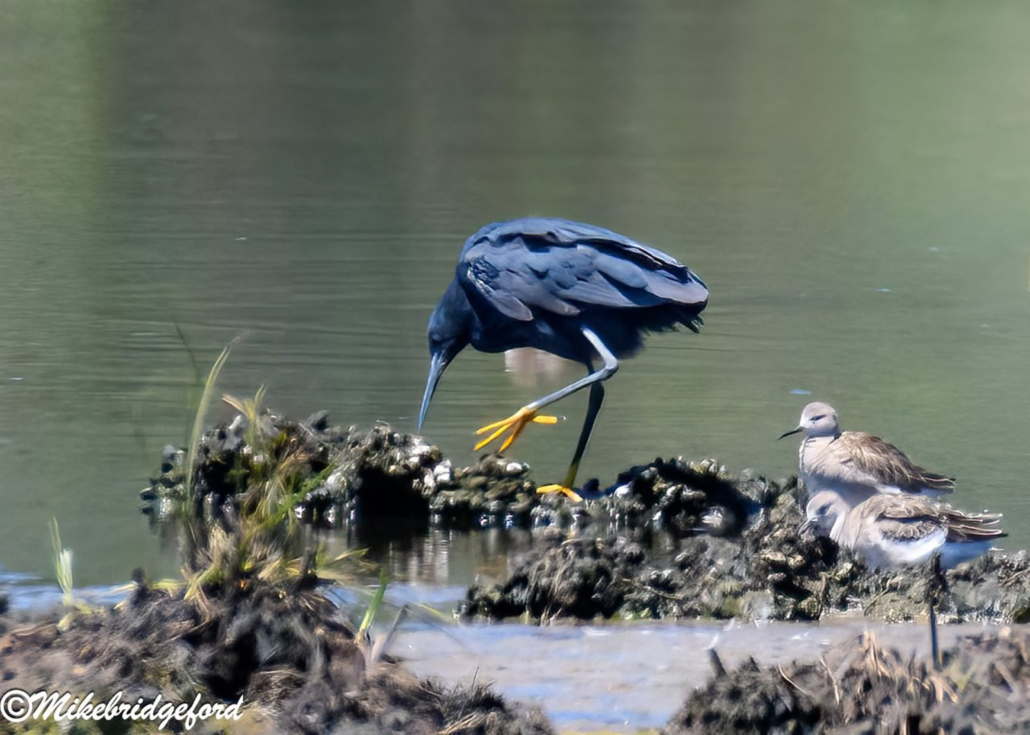
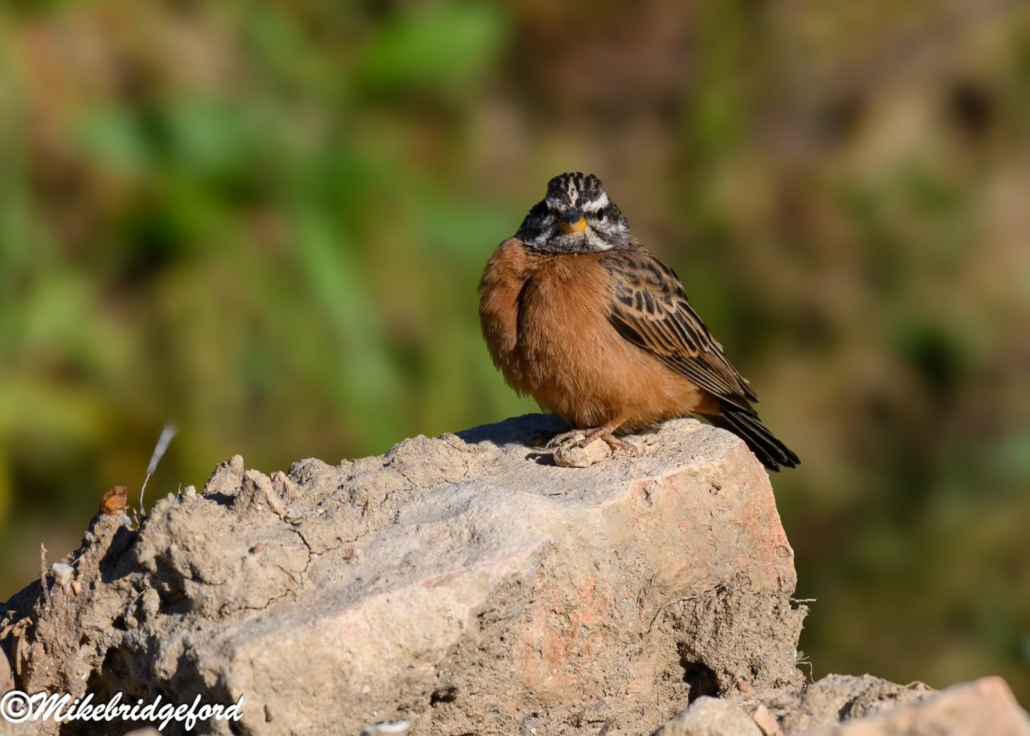
On a recent Bird Club outing to the De Hoop Nature Reserve, we witnessed a serious fight between an adult Capped Wheatear and a juvenile bird.
It looked like the adult was trying to kill the youngster!
However, I believe this is a natural process where the youngster has now
reached an age where it should be able to look after itself, and the adult
needs to get on with producing a new brood.
The process of convincing the youngster to leave the parents and look for
its own mate can be quite vicious but essential for the survival of the species.
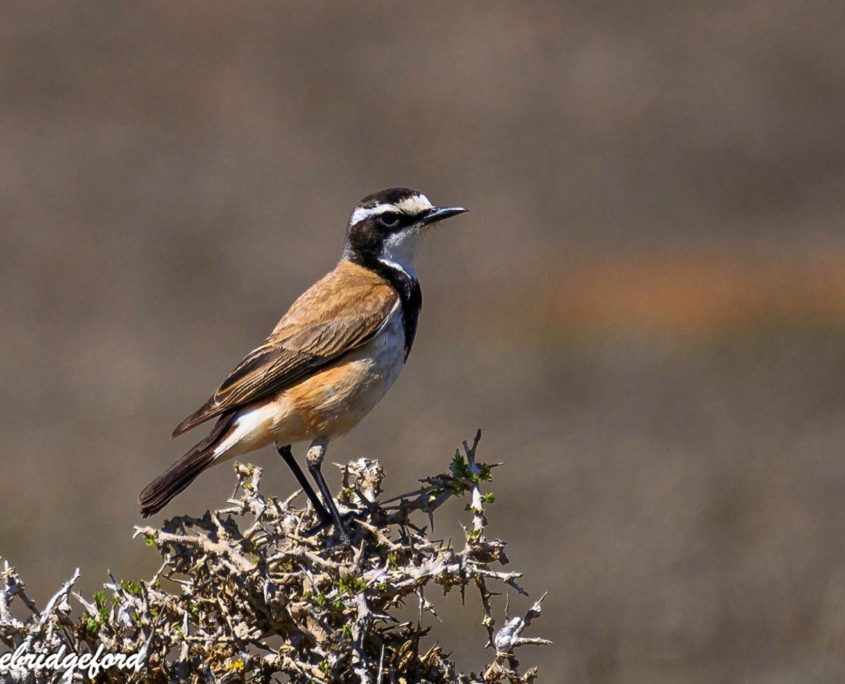
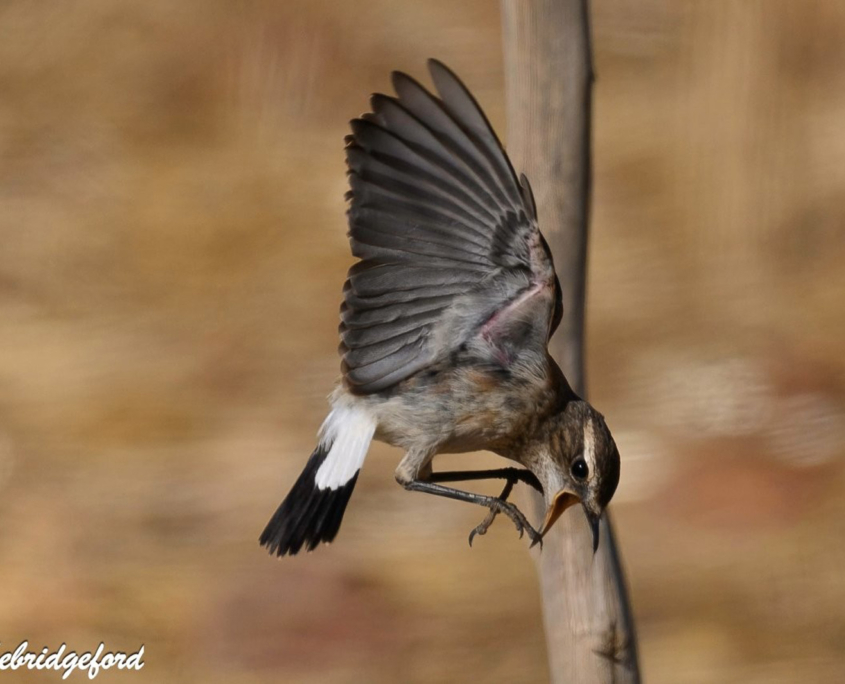
Photos by Mike Bridgeford
Knysna Woodpecker
(Campethera notata)
by Mike Bridgeford
A male Knysna Woodpecker excavating a hole in a tree in Keurboomstrand, Plettenberg bay.
This bird is an Endemic species to South Africa, and in particular the Garden Route region. We have noticed several aborted attempts of these birds trying to nest.
The Black-collared Barbet being a relatively new bird to the region has taken over existing nests of Knysna Woodpeckers as has the Grey-headed Sparrow. We have also had a few occurrences where the Scaly-throated Honeyguide has parasitized the nest.
So, life is not plain sailing for one of our most sought-after endemics. This particular nest was also abandoned, but we are not sure why?

Knysna Woodpecker
(Campethera notata)
by Mike Bridgeford
A male Knysna Woodpecker excavating a hole in a tree in Keurboomstrand, Plettenberg bay.
This bird is an Endemic species to South Africa, and in particular the Garden Route region. We have noticed several aborted attempts of these birds trying to nest.
The Black-collared Barbet being a relatively new bird to the region has taken over existing nests of Knysna Woodpeckers as has the Grey-headed Sparrow. We have also had a few occurrences where the Scaly-throated Honeyguide has parasitized the nest.
So, life is not plain sailing for one of our most sought-after endemics. This particular nest was also abandoned, but we are not sure why?
African Darter Rescue
by Mike Bridgeford
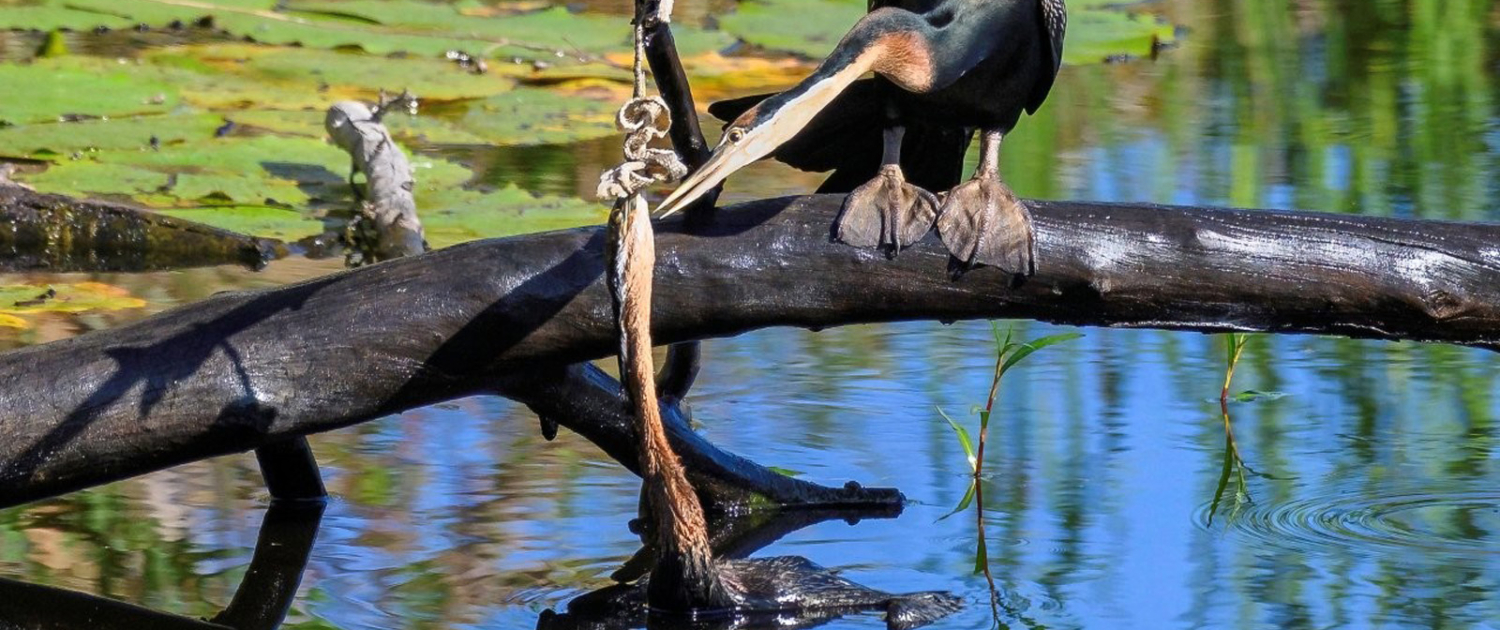
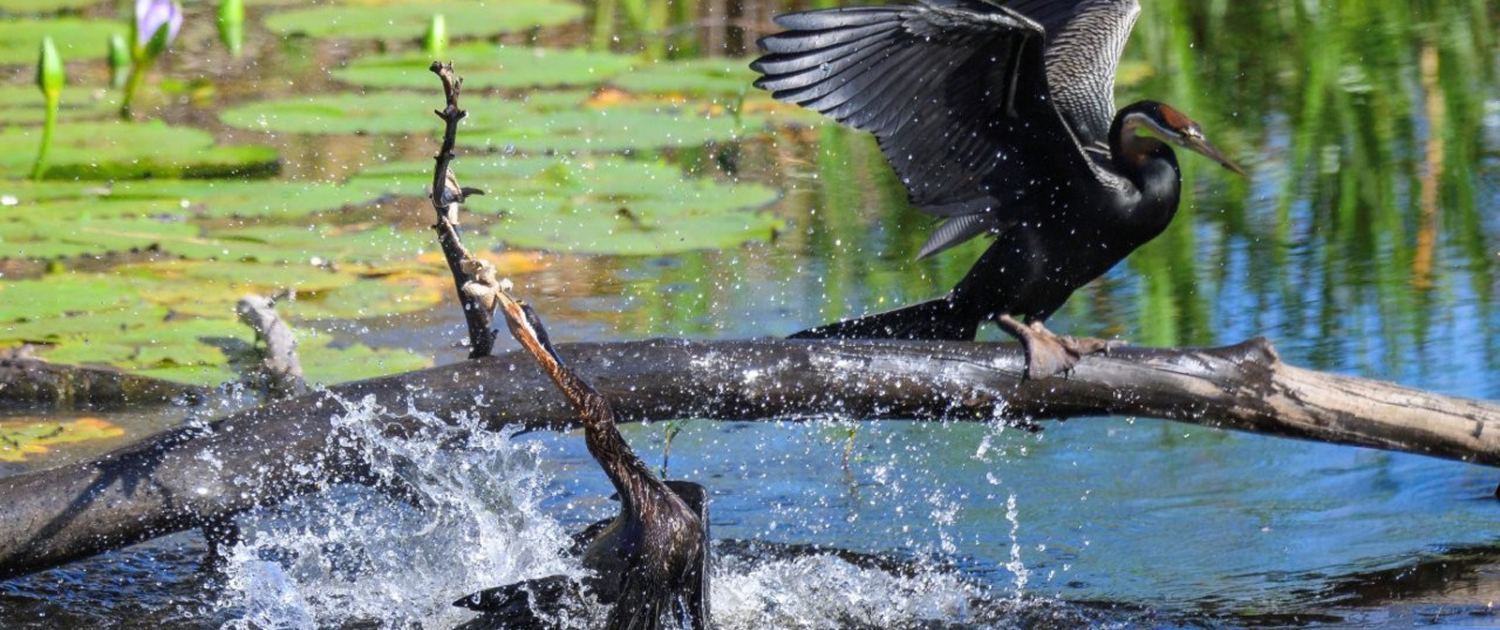
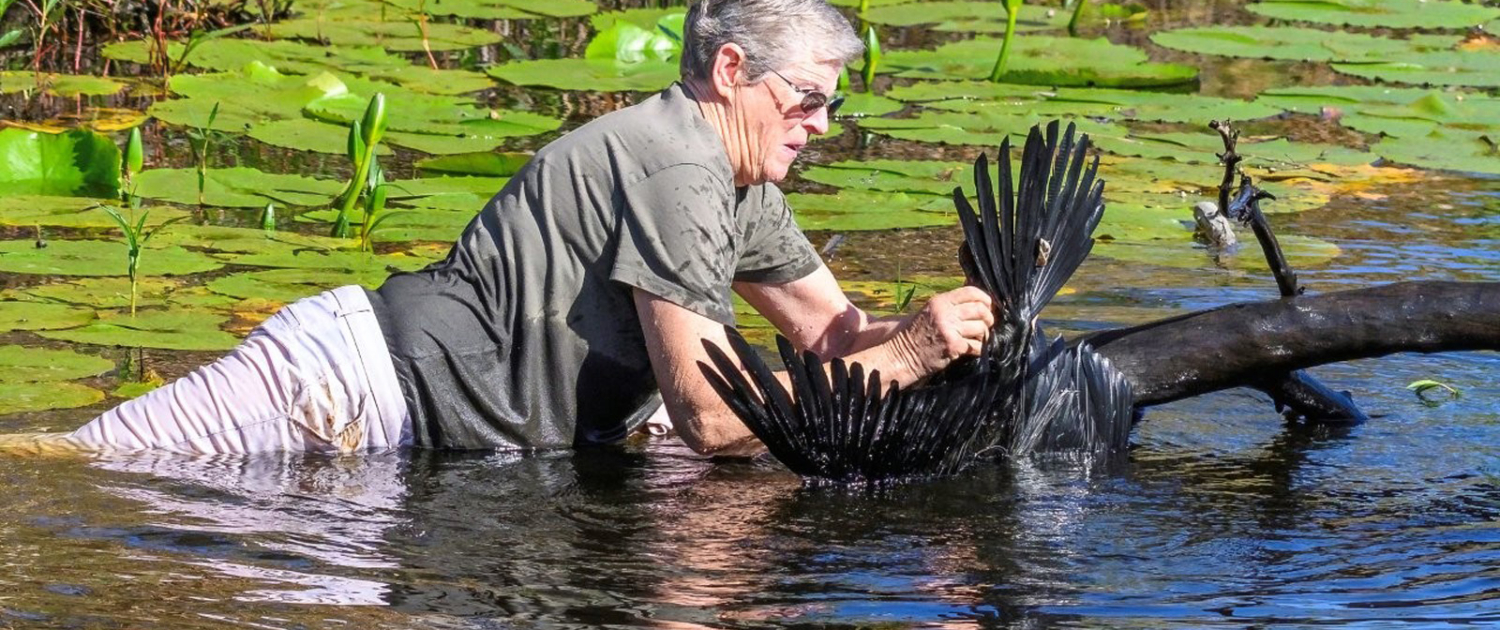
On Friday 17 October 2025 I received a report from The Plettenberg Manor that an African Darter was caught up in some string in the middle of a pond. The bird’s mate kept on visiting the trapped bird and was clearly distressed but could do nothing to free it.
Elaine Melville, a resident and keen bird researcher, waded into the water and managed to free the bird and bring it to the edge of the water where we cut the strapping from its beak. The razor-sharp beak has barbs on the inside for holding a fish. Unfortunately, the cloth strapping, probably used as a tie down strap in a roof rack, was firmly hooked in the beak and had to be carefully cut out with scissors.
Well done to Elaine – the Darter will live another day and will join its mate!


Note on Tern Spotting
by George Skinner
It is that time of the year when tern spotting is in vogue, and here are some tips which will help you identify this difficult little group of birds .
For most of terns seen locally the colour of the bill is a good guide to identification, but other characteristics which make identification easier are:
Click on the Tern Name below for a link to eBird
Caspian Tern – The largest tern of the region and a red bill
Greater Crested Tern (Swift Tern) – Yellow bill and most common
Sandwich Tern – Black bill with yellow tip
Common Tern – Dark bar on shoulder and black bill
Little Tern– a tiny Tern with a black cap and bill
Antarctic Tern – only winter visitor. A pot-bellied build. Shortish black bill
Damara Tern – Very small with a black slightly decurved bill with yellowish legs and feet
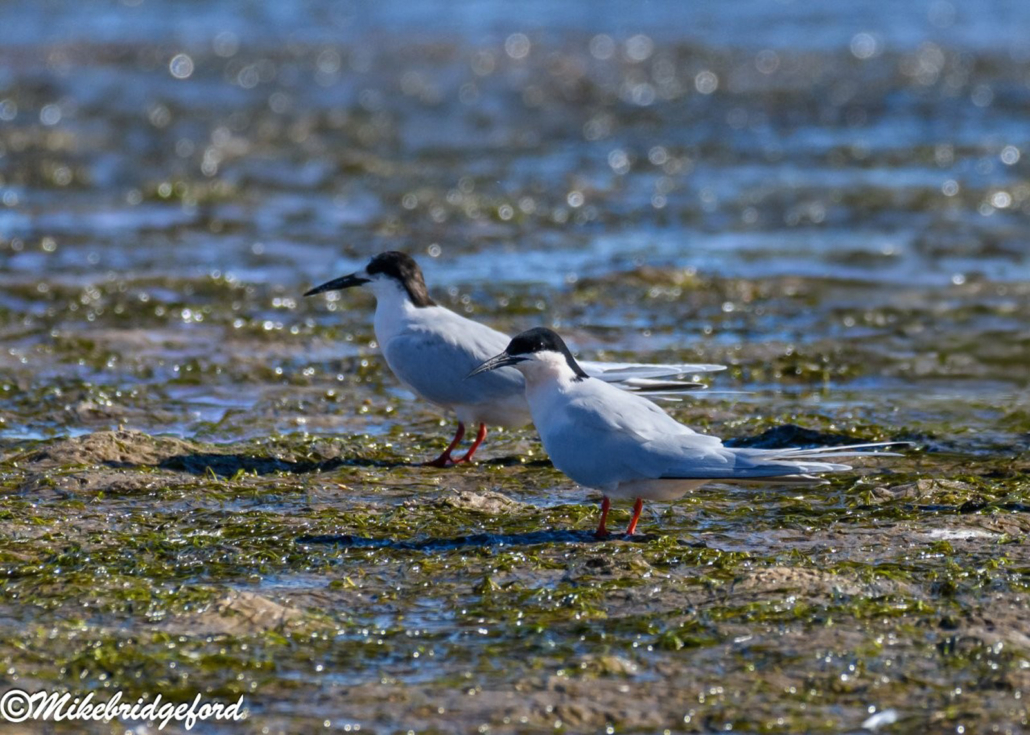
Roseate Tern – Pink wash to breast, red legs and feet, black droopy bill with a red base
Whiskered Tern – a fresh water tern with white below the eye-line and red legs
White-winged Tern – Fresh water tern with black “headphones”
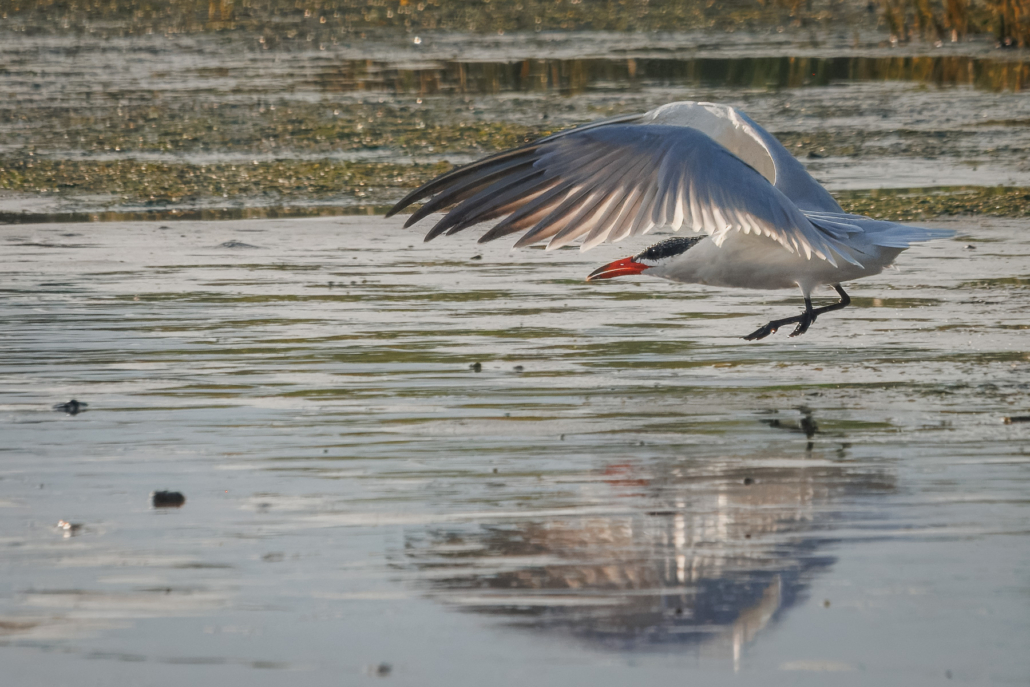
Caspian Tern by Stephan van Wyk
The Beacon of Hope: A Northern Giant Petrel Returns to the wild
by Linda Hartt
Plettenberg Bay shimmered in the dawn sun. This Tuesday morning, 28 October 2025, a powerful ground swell, challenged the skipper of the small boat as it launched from Central Beach. The iconic silhouette of the Beacon Isle Hotel presided over the scene. This was no ordinary pelagic outing; it was a fully booked activity of the Bitou Birding Festival, and a surprise event of profound hope.
Cradled within a sturdy cardboard box was a Northern Giant Petrel, recently a patient of the dedicated Plettenberg Bay Stranding Network. A week ago, the Petrel had washed up weak, disoriented, and struggling, a victim of the ocean’s unforgiving currents and perhaps human impact. But thanks to tireless volunteers like Chantel Visser —the Petrel was strong again with wings ready to embrace the vastness.

The boat lurched and rolled on the sea-sick inducing ground swell, but the dozen passengers kept their eyes on the horizon and their hearts focused on the mission. Their efforts were immediately rewarded. Crested, Sandwich, and Common Terns danced overhead, their calls sharp and joyful. Then came the unexpected: a delicate Pintado Petrel, a sight usually reserved for much deeper waters, and a surprise juvenile African Penguin bobbing inquisitively nearby.
Once in deep waters, the box was carefully opened with wary hands firmly gripping the large seabird; the bird ringed by Dr. Mark Brown and gently released over the side. Just then the ocean offered its most spectacular blessing. Three sleek, powerful dorsal fins cut through the swell—Orcas, magnificent and silent, cruising astonishingly close. It seemed a fitting audience for the Petrels release.
The hope was palpable—a shared human joy at witnessing the resilience of nature and the success of collective conservation effort.
The journey back was a thrilling if turbulent, affair. Beach landings are inherently hazardous, especially with a large swell. The boat hit the sand at high speed, delivering a bone-shattering bump that sent a jolt through every body on board. Yet, the physical shock barely registered. Our hearts were too full, buoyant with the image of a great Petrel soaring home, a living testament to the power of compassion.
We disembarked, soaked and slightly bruised, but radiating an optimism that promised the Petrel would survive, thrive, and rule the deep seas it was born for.
Bitou Birding Festival 2025: A Week of Birds, Community and Pure Birding Magic
The Bitou Birding Festival returned for its second year — and what a joy-filled week it was. From the sold-out fundraiser dinner at Belle Balance to the final gathering at Roadside Café, the festival was alive with energy, shared passion and unforgettable birding moments.
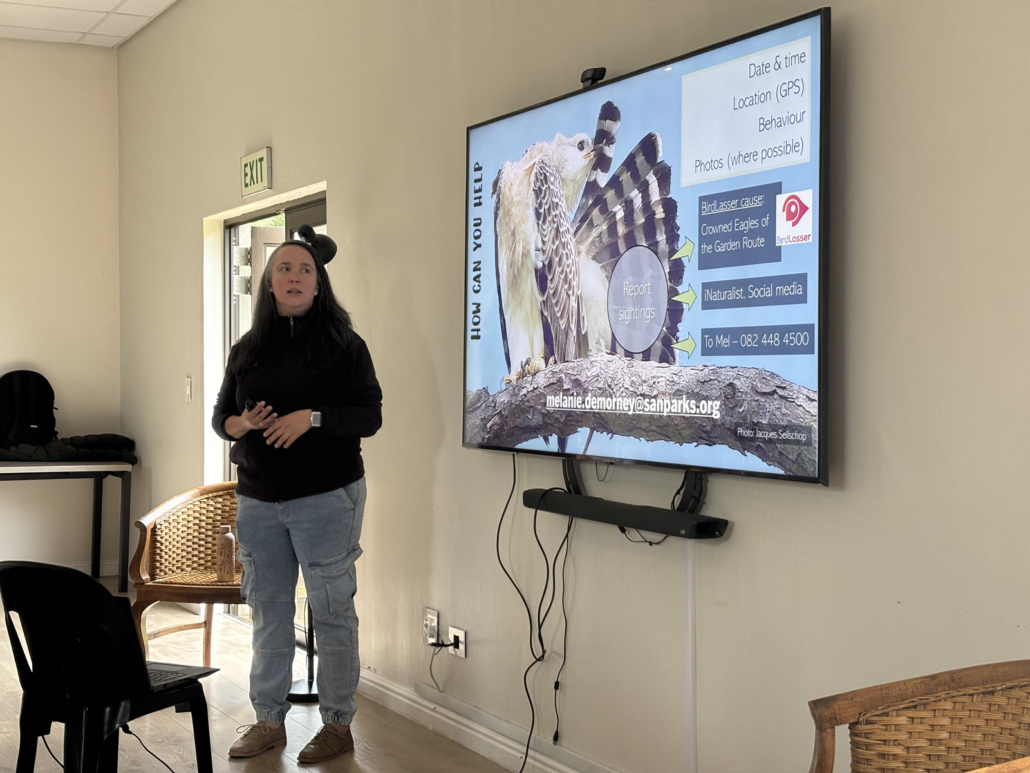
Kwendalo once again served as the festival hub, where the Exhibitor Hall buzzed with conservation organisations, artists, and plenty of friendly conversation. Our speaker lineup brought inspiring insights all weekend: • Melanie de Morney shared SANParks’ fascinating work on Crowned Eagles. • Dr Mark Brown celebrated the dazzling sunbirds and sugarbirds of the fynbos. • Lauren Moriarty highlighted the power of everyday citizen science. • Mike Bridgeford explored the special birds that make the Bitou region so unique.
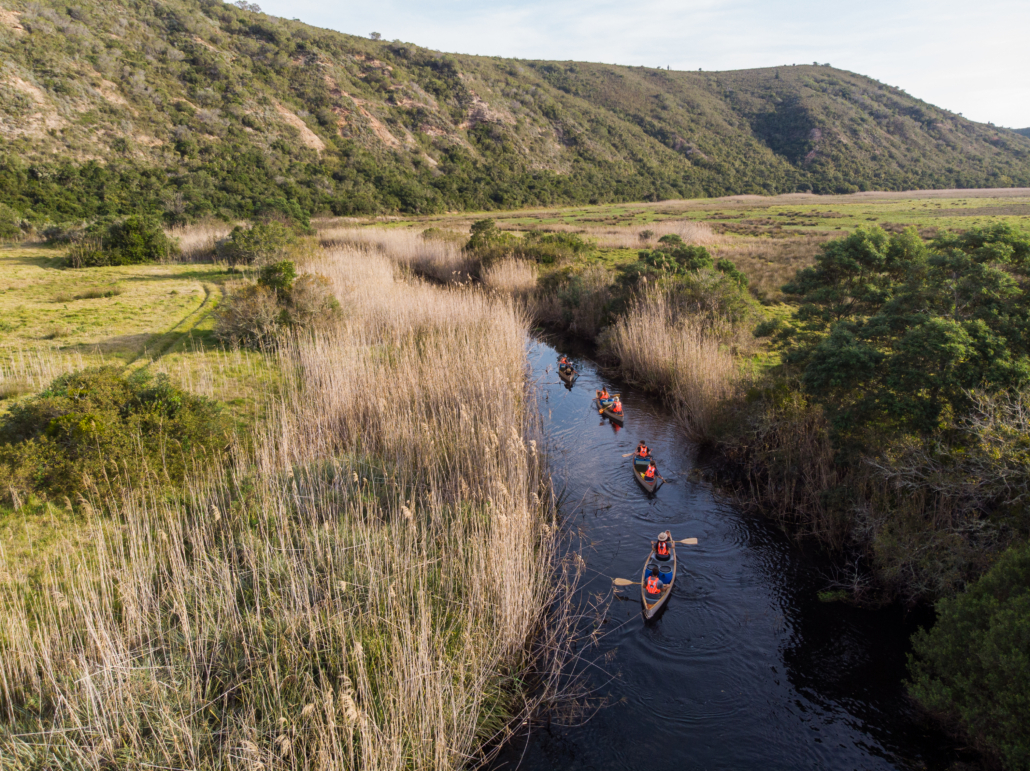
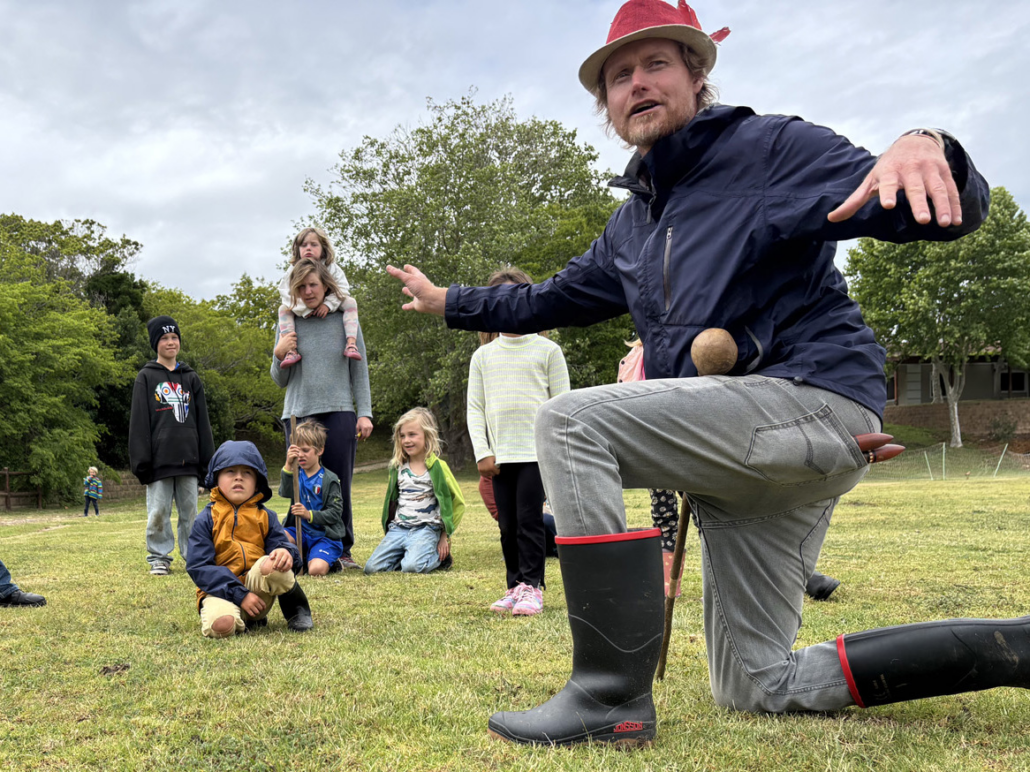
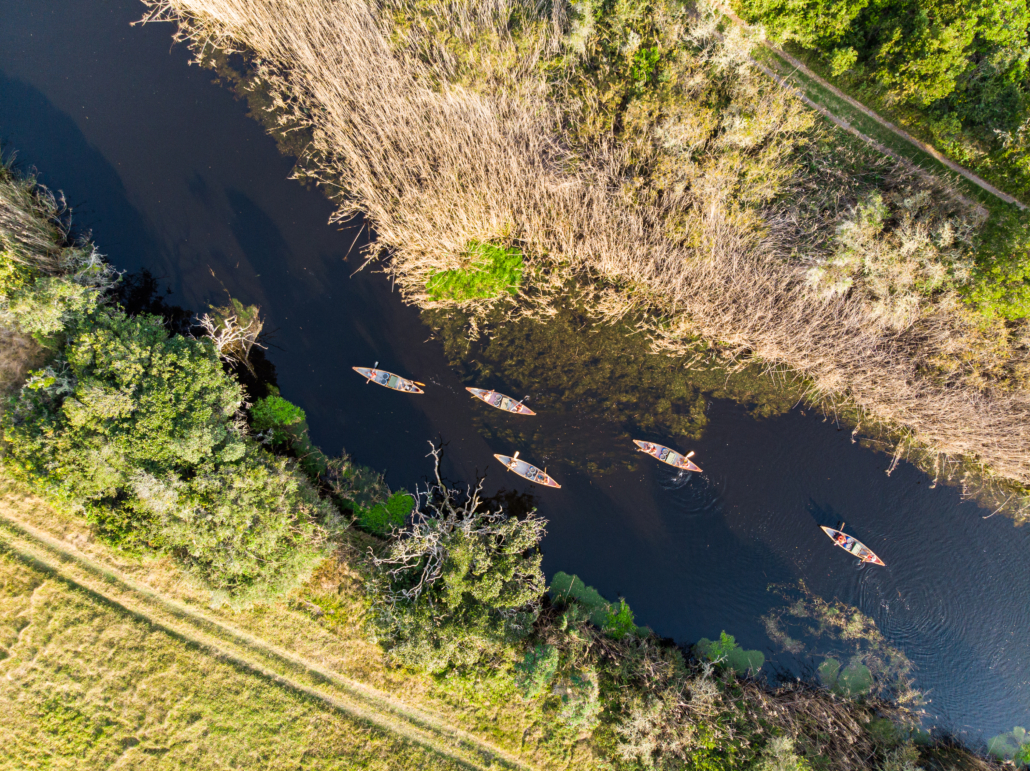
Out in the field, the magic continued. From the beginner birding workshop by Prof. Hendri Coetzee (NVT) to Dr Matthew Zylstra’s playful and mindful birding sessions and Chanel Visser’s (Cape Nature) guided walk at Robberg Nature Reserve, festival-goers enjoyed a wonderful choice of immersive outdoor experiences. Canoe trips on the Bitou and Keurbooms rivers offered a fresh perspective, with more than 70 species recorded in one outing on the Bitou. The pelagic trip delivered phenomenal seabird sightings — and the unforgettable moment when a pod of Orcas glided past the boat, calf included. A rescued Northern Giant Petrel was also released back into the wild, adding to a morning full of emotion.
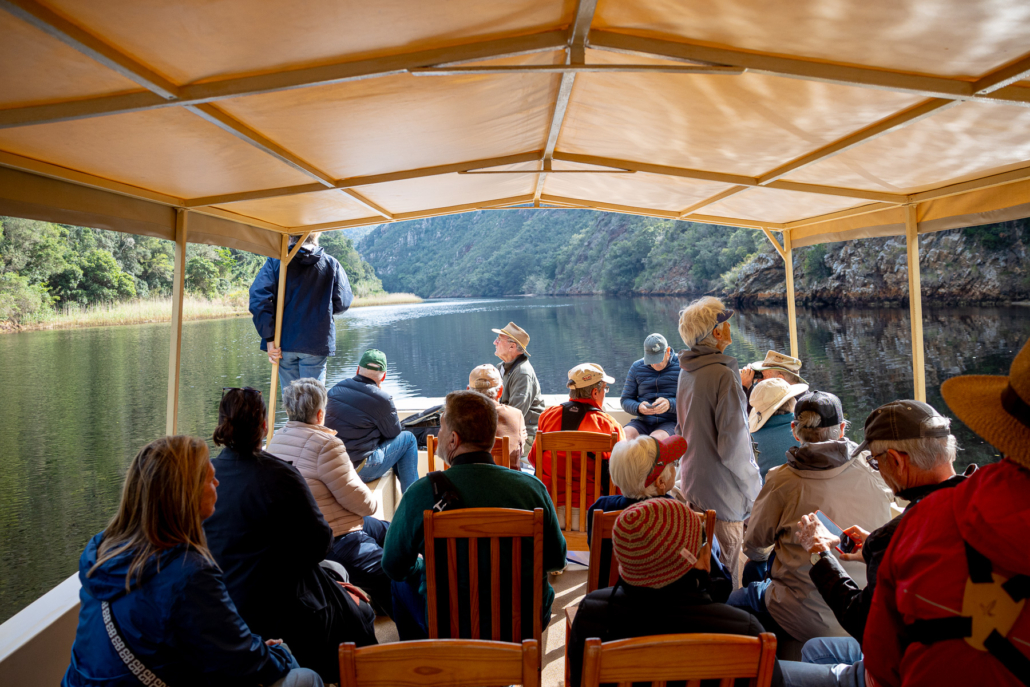
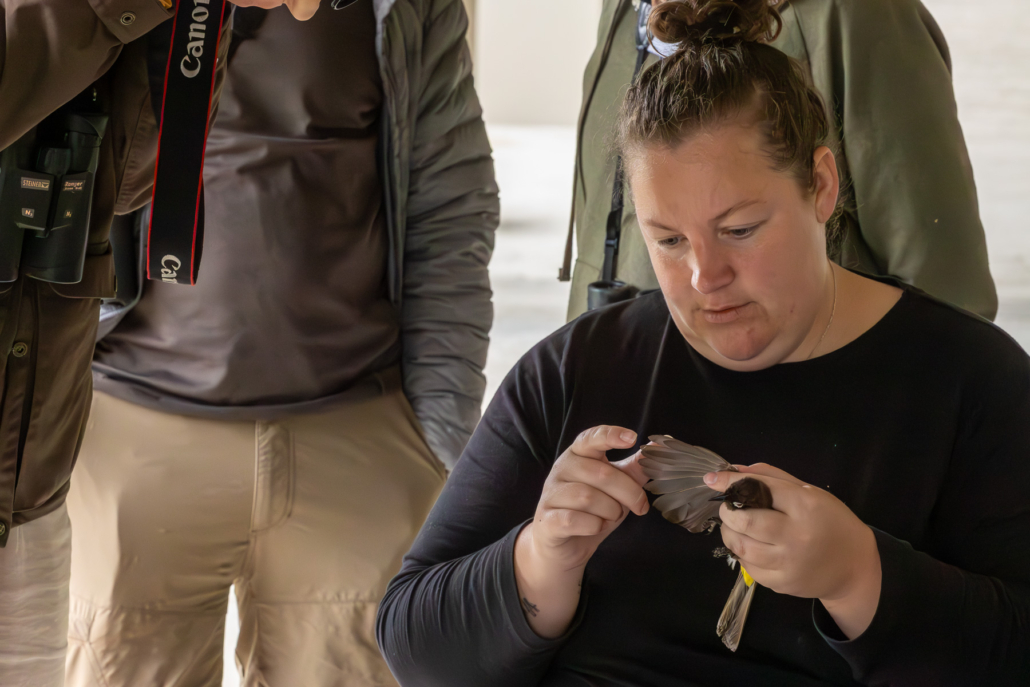
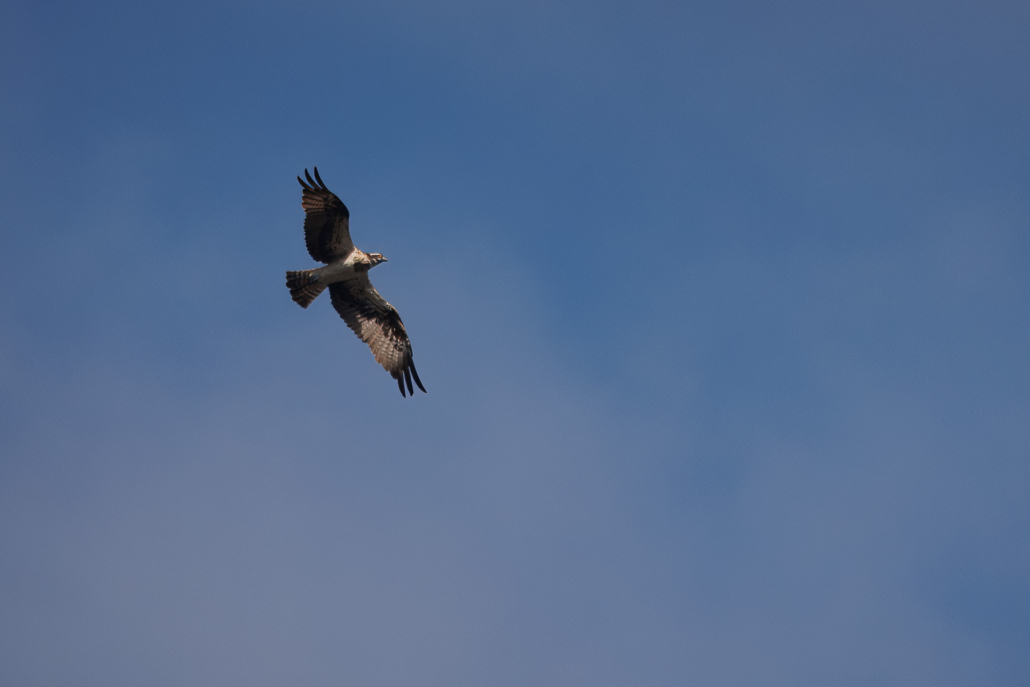
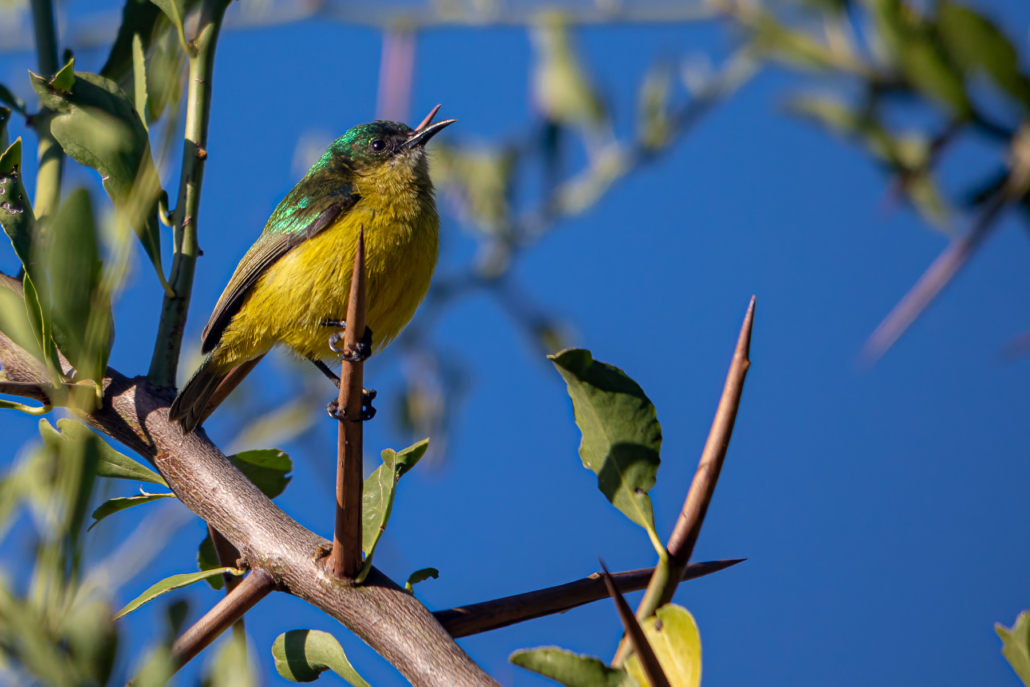
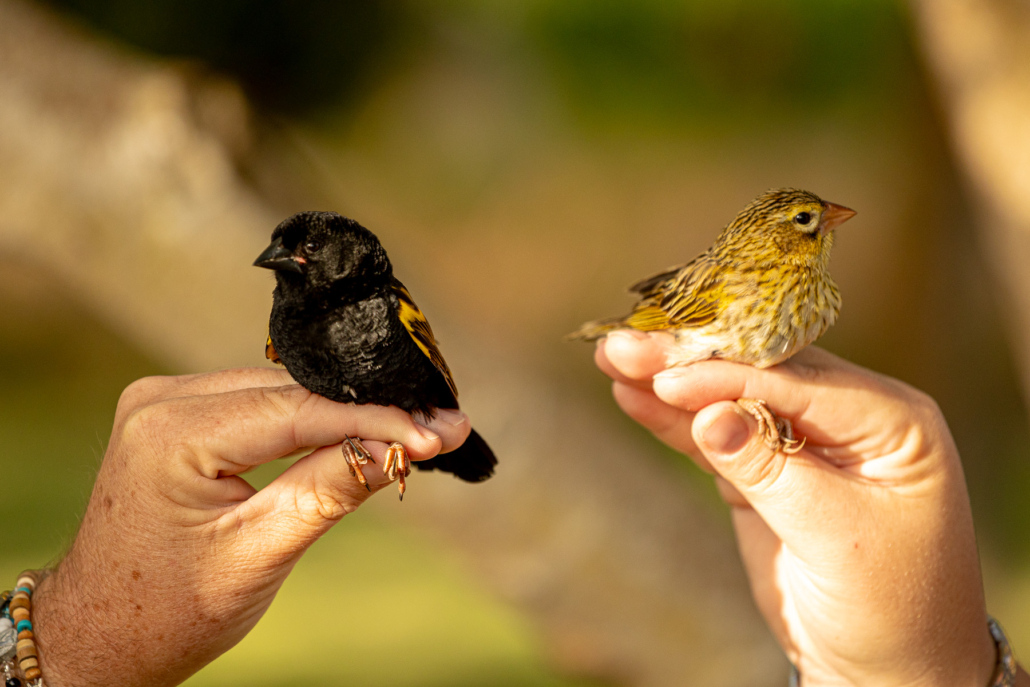
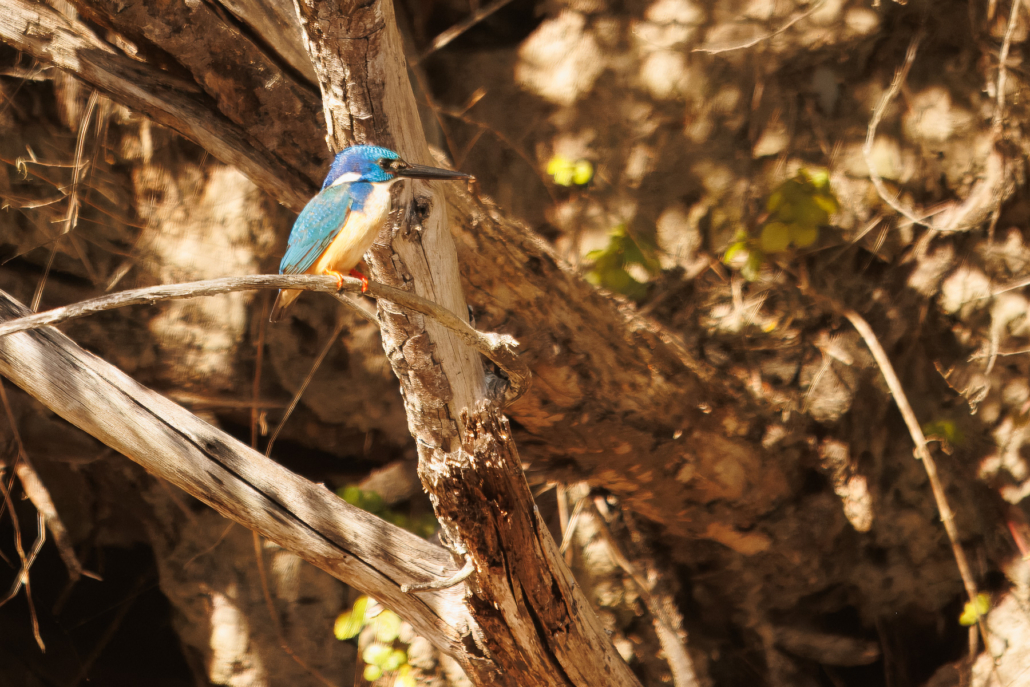
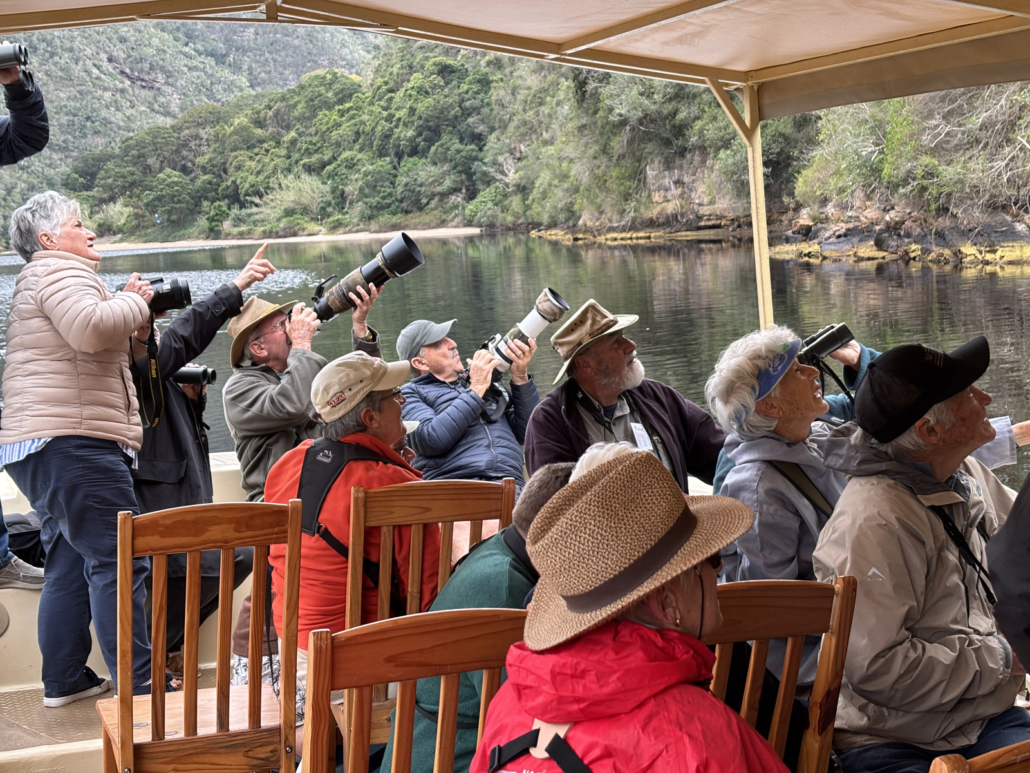
The Keurbooms Ferry Cruise revealed various kingfishers, a Western Osprey and forest birds in breathtaking scenery, while the Penguin Rehab Tour at Tenikwa offered a meaningful look at rehabilitation work on the Garden Route’s coastline. At Bitou River Lodge, Mark Brown and his team ringed 38 birds, including several recaptures — conservation science in action.
Between the opening dinner auction, the Eco Reflections holiday raffle, the Tenikwa Penguin Rehab Tour, Raptor Rescue’s display, and proceeds from the pelagic trip, the festival raised more than R20,000 for the region’s conservation partners — a brilliant achievement made possible by our generous community.
We closed the week with a relaxed celebration at Roadside Café, where birders shared sightings, swapped stories and applauded the winners of the SafariSA Lucky Draw and the Bindo Birding App Challenge.
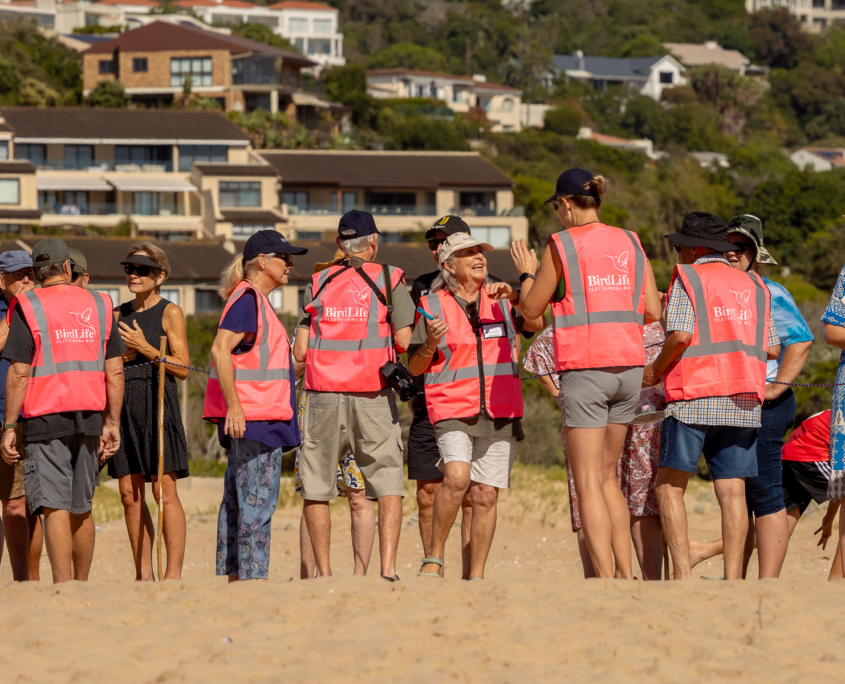
A heartfelt thank-you goes to all our BirdLife Plettenberg Bay members who volunteered their time, guided walks, assisted with logistics and supported the festival with such enthusiasm. Your dedication is the heartbeat of this event.
And to our local conservation heroes — SANParks, CapeNature, NVT, Tenikwa, Raptor Rescue, Conserve Eden, Wild Compass Experiences, Keurbooms Ferries, Bitou River Lodge, Wetlands on the Bitou, Forest Hall Estate and all the landowners who opened their properties — thank you for sharing your time, knowledge and passion.
Here’s to another unforgettable year of birding — and to an even brighter Bitou Birding Festival ahead.
Note from a new member
Having recently joined BirdLife Plettenberg Bay we have gone on some exciting excursions and heard some insightful talks by remarkable birders. The club is very active and the committee and its members are very friendly, helpful and more than happy to share their depth of knowledge. Being new members of a club can be somewhat daunting but we have felt very welcomed and look forward to every get-together with a great group of people.
– Karin Ward
OUTINGS AND REPORTS
Bird Quiz 2025 Report
by Jarryd Dunn
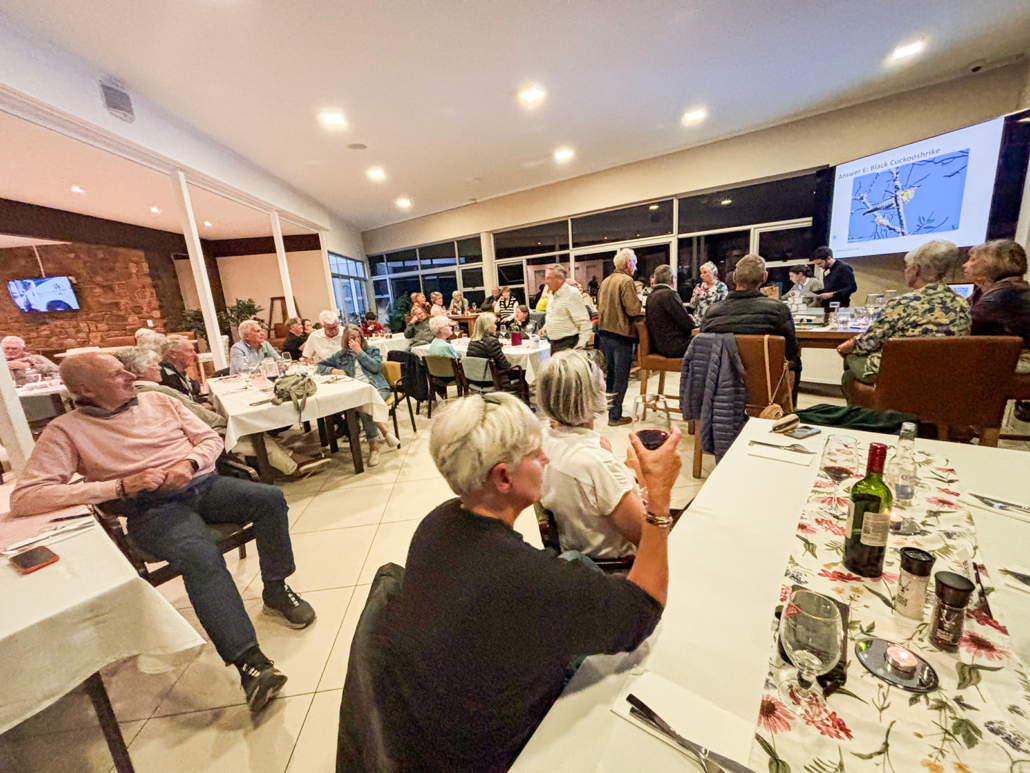
On the 6th of October, we hosted the Plettenberg Bay Bird Quiz Night at the Plettenberg Country Club. This quiz was all about the beautiful birds found around Plett. Ten teams put on their birding hats but swapped binos for pens and paper as they tackled identifying birds from pictures, calls and hilariously bad descriptions given by non-birders (Blacksmith Lapwings sound like banging pots together). Over the course of eight short rounds, the teams got stuck into the quiz. Some teams were happy to just enjoy the evening while the bird nerds battled it out. In the end, team Plover Lovers narrowly edged out the rest with only a few points separating the top teams.

But as much as there were points, the main aim of the quiz was to have some fun and hopefully learn a bit more about some of the birds we see around us. Along the way, quizzers learnt some fascinating facts. For instance, who knew that Pin-tailed Whydahs had a dark side — tricking unsuspecting Common Waxbills into raising their chicks? Or that the Black-winged Stilt has the longest legs in proportion to their body of any bird in the world! There were also some fun questions, like identifying the species and coming up with a name for our Frankenstein’s bird (a mash-up of five different species).
After the quiz, teams enjoyed a delicious meal prepared by Plett Country Club, providing an excellent opportunity to swap stories about how they had done in the quiz and reminisce about the ones they should have got or would never have guessed.
Overall, it was a highly enjoyable evening full of surprises, fun facts, laughs, and lots of birds.

De Hoop Away Trip 2025
by Patrick Raymond
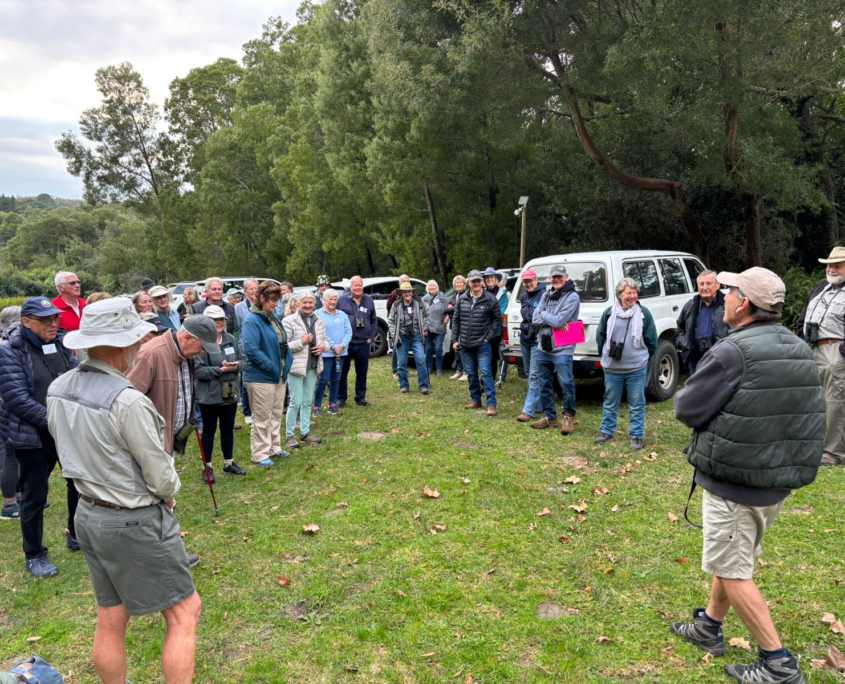
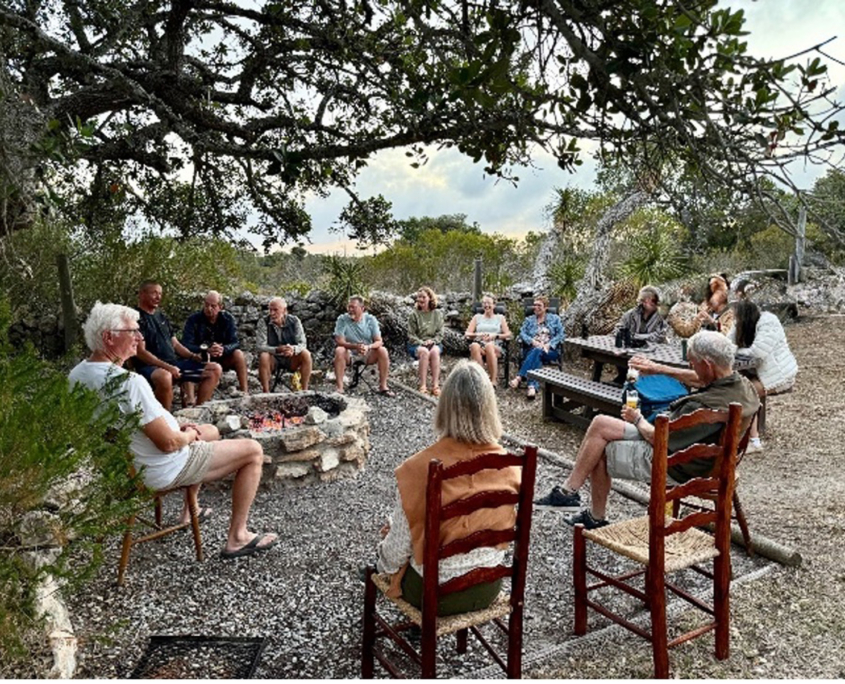
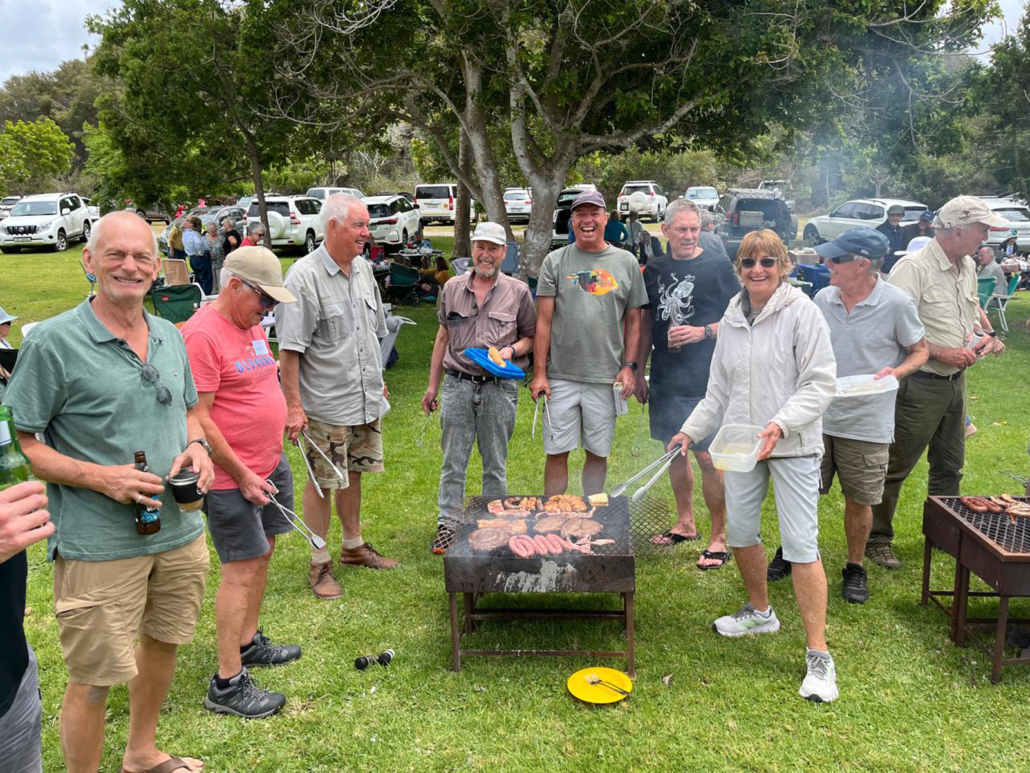
After an easy drive from Plett with a very pleasant lunch at Tredici in Swellendam , we drove on to check in at the De Hoop Collection. After completing the admin, we agreed to meet for an informal chat and a drink in front of the restaurant. This was followed by a communal braai at one of the chalets with a chilly SE gale blowing!
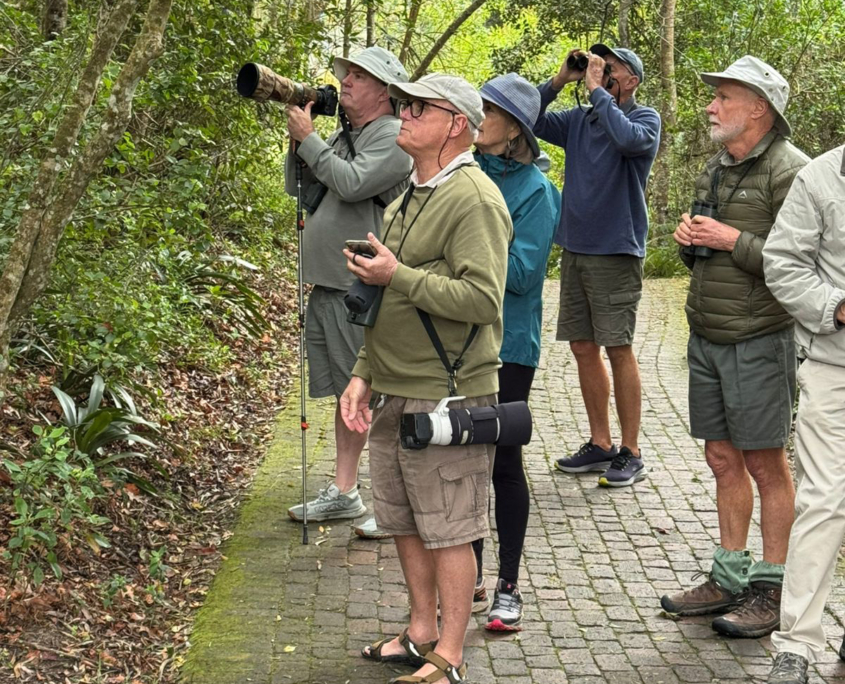
Fortunately, we woke up the next morning to a beautiful day, where we had a bird walk in and around the main camp area. This proved to be very productive, culminating in a Spotted Eagle owl and her three “almost fledged” chicks.
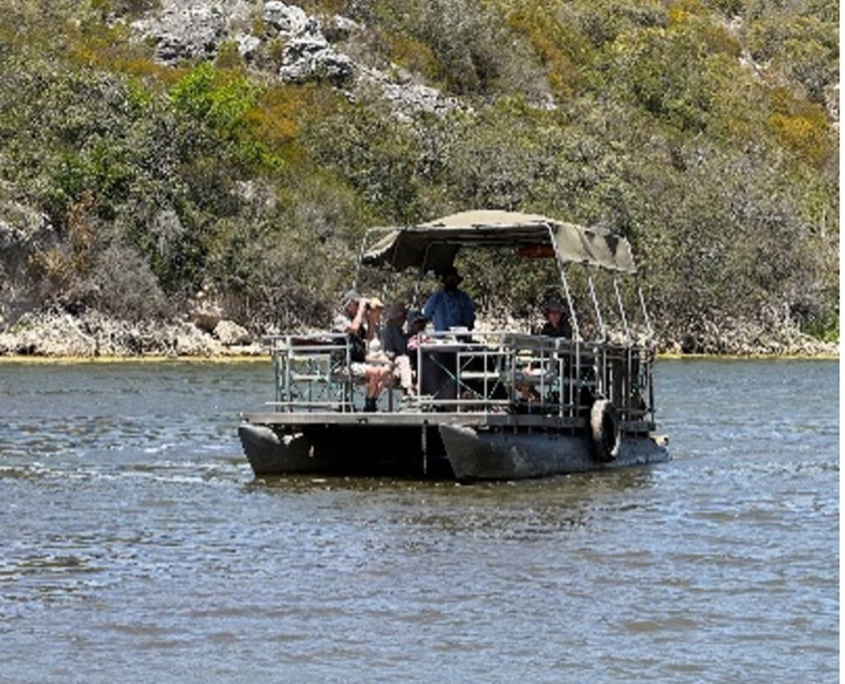
Later that morning, 10 of the group headed off by boat on a bird and bee expedition. We saw some good birds including Great Crested and Black-necked Grebe and Fish Eagles to name a few. We were also taken to a couple of wild beehives together with a very well-informed guide (Nasrien) and an equally well-informed Ian Thomas. Always great to learn from people who are experts in their subject.
The same group then met at “Bites” restaurant for a very pleasant lunch overlooking the sea while scanning for whales and sea birds. A pair of Rock Kestrels kept us entertained while we ate.
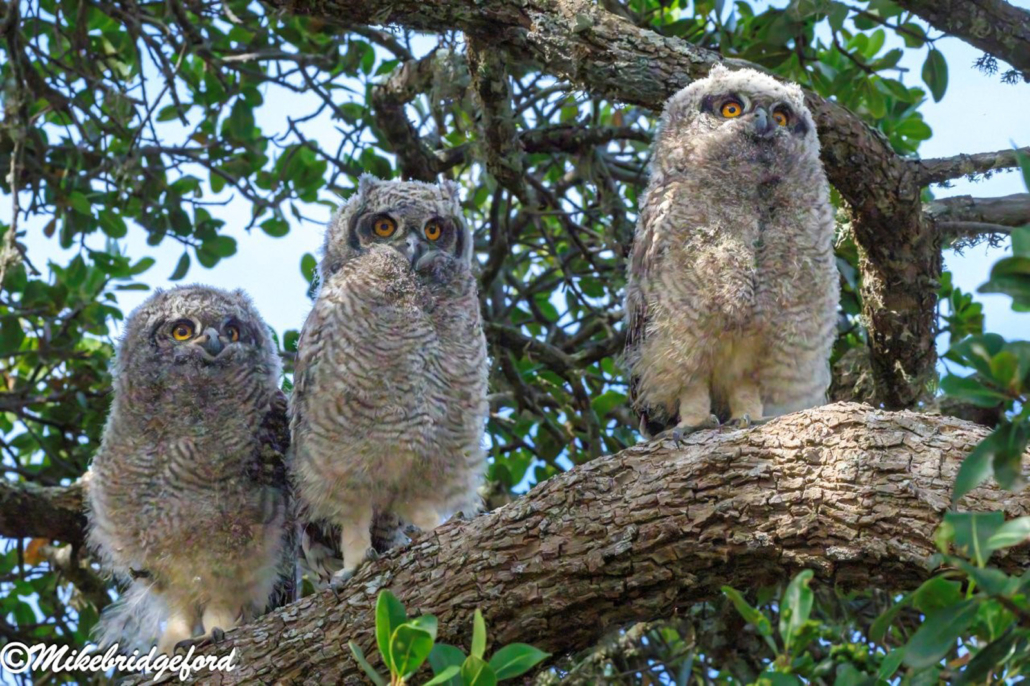
photo by Mike Bridgeford
We took a leisurely drive back to camp where we enjoyed a very pleasant communal braai prepared and cooked for us by Pete van Noppen. (The unofficial bird club braai master).
The next morning was a bit more relaxed and while the balance of the group went on their boat trip the others went on to explore a very interesting piece of fynbos. A couple of good birds were seen, but the highlight was a young Greater Honeyguide who called and posed for us.
By midday, there were a couple of tired people who chose to chill out at their chalets, while another bunch took a guided walk over the dunes and down to the rock pools to once again “study” some wild bees and look out for some of the specials for the area.
While on the fynbos drive, we found a lovely spot to enjoy our sundowners, before heading off to our final communal braai. At this stage of the trip everyone had got to know each other, so the evening was very relaxed and enjoyable.
Between us we were able to generate a very respectable list of birds , but De Hoop was very dry, and birding was probably not as good as it has been on previous trips to the park.
Many thanks to all those who joined us on this trip – we look forward to many more birding “adventures” with the Club.
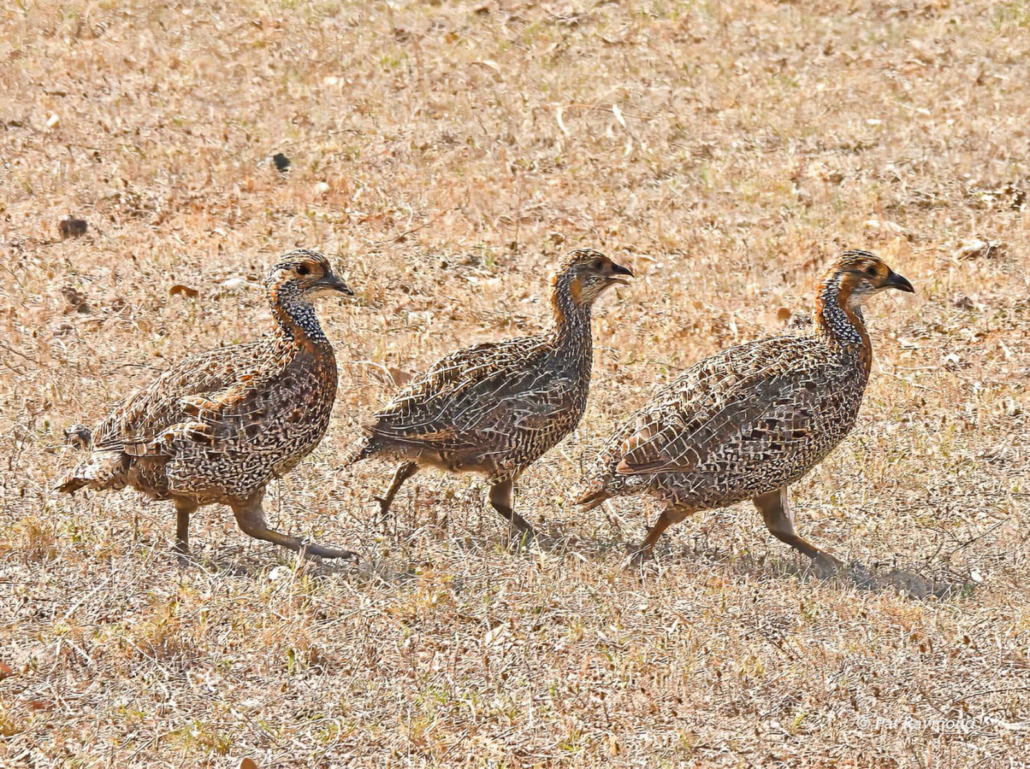
photo by John Home



Bird List – de Hoop
Click here for the full bird list
Apalis, Bar-throated
Whydah, Pied
Barbet, Acacia-pied
Bishop, Southern Red
Bishop, Yellow
Bokmakierie
Boubou, Southern
Bulbul, Cape
Bunting. Cape
Buzzard, Common (Steppe)
Buzzard, Jackal
Canary, Brimstone
Canary, White-throated
Canary, Yellow
Cisticola, Levaillant’s
Coot, Red-knobbed
Cormorant, Reed
Cormorant, White-breasted
Crane, Blue
Crow, Cape
Darter, African
Dove, Red-eyed
Dove, Ring-necked
Drongo, Fork-tailed
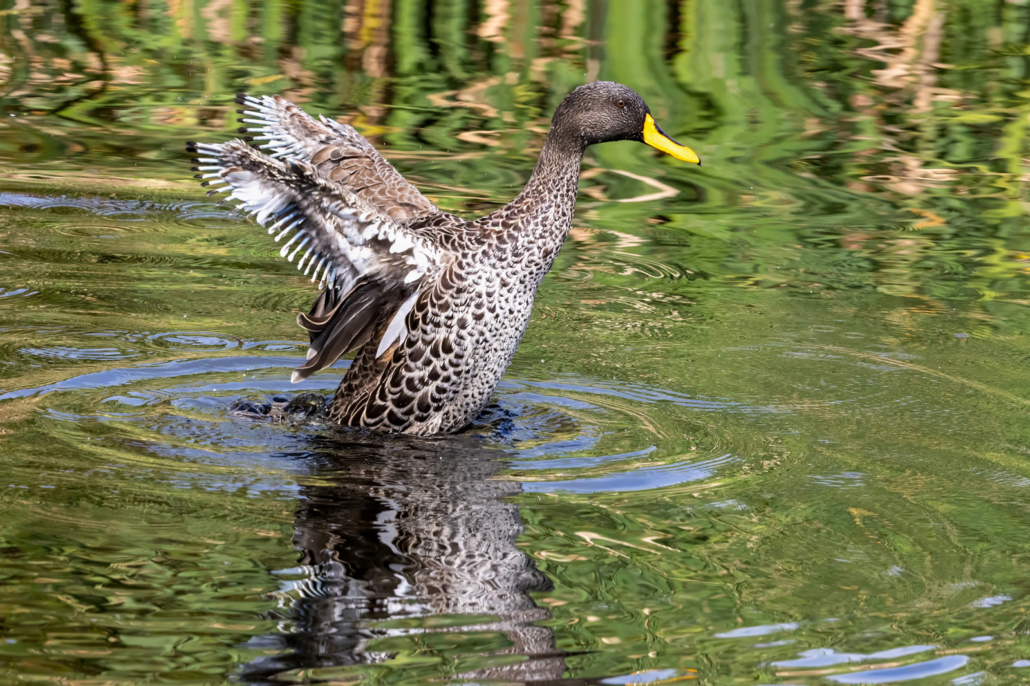
Duck, Yellow-billed
Eagle-owl, Spotted
Egret, Cattle
Egret, Intermediate
Fiscal, Common (Southern)
Fish-eagle, African
Flycatcher, Fiscal
Francolin, Grey-winged
Goose, Egyptian
Goose, Spur-winged
Goshawk, Pale-chanting
Grassbird, Cape
Grebe, Black-necked
Grebe, Great Crested
Grebe, Little
Greenbul, Sombre
Greenshank, Common
Guineafowl, Helmeted
Gull, Hartlaub’s
Gull, Kelp
Hamerkop
Harrier-Hawk, African
Heron, Black-crowned
Heron, Black-headed
Heron, Grey
Honeyguide, Greater
Hoopoe, African
Ibis, African Sacred
Ibis, Glossy
Ibis, Hadeda
Kestrel, Rock
Kingfisher, Giant
Kingfisher, Malachite
Kingfisher, Pied
Kite, Black-winged
Kite, Yellow-billed
Korhaan, Karoo
Lapwing, Blacksmith
Lapwing, Crowned
Lark, Large-billed
Lark, Red-capped
Longclaw, Cape
Martin, Brown-throated
Martin, Rock
Mousebird, Red-faced
Mousebird, Speckled
Nightjar, Fiery-necked
Ostrich
Oystercatcher, African
Pigeon, Speckled
Pipit, African
Plover, Three-banded
Plover, White-fronted
Prinia, Karoo
Raven, White-necked
Robin-chat, Cape
Sandgrouse, Namaqua
Sandpiper, Common
Saw-wing, Black
Scrub-robin, Karoo
Shelduck, South African
Shoveler, Cape
Sparrow, Cape
Sparrow, House
Spoonbill, African
Spurfowl, Cape
Starling, Common
Starling, Pied
Starling, Red-winged
Stilt, Black-winged
Stint, Little
Stonechat, African
Swallow, Barn
Swallow, Greater Striped
Swallow, Pearl-breasted
Swallow, White-throated
Swift, Horus
Swift, White-rumped
Tern, Caspian
Thick-knee, Spotted
Waxbill, Common
Weaver, Cape
Wheatear, Capped
Whydah, Pin-tailed
OUTING TO RAPTOR RESCUE
1 NOVEMBER 2025
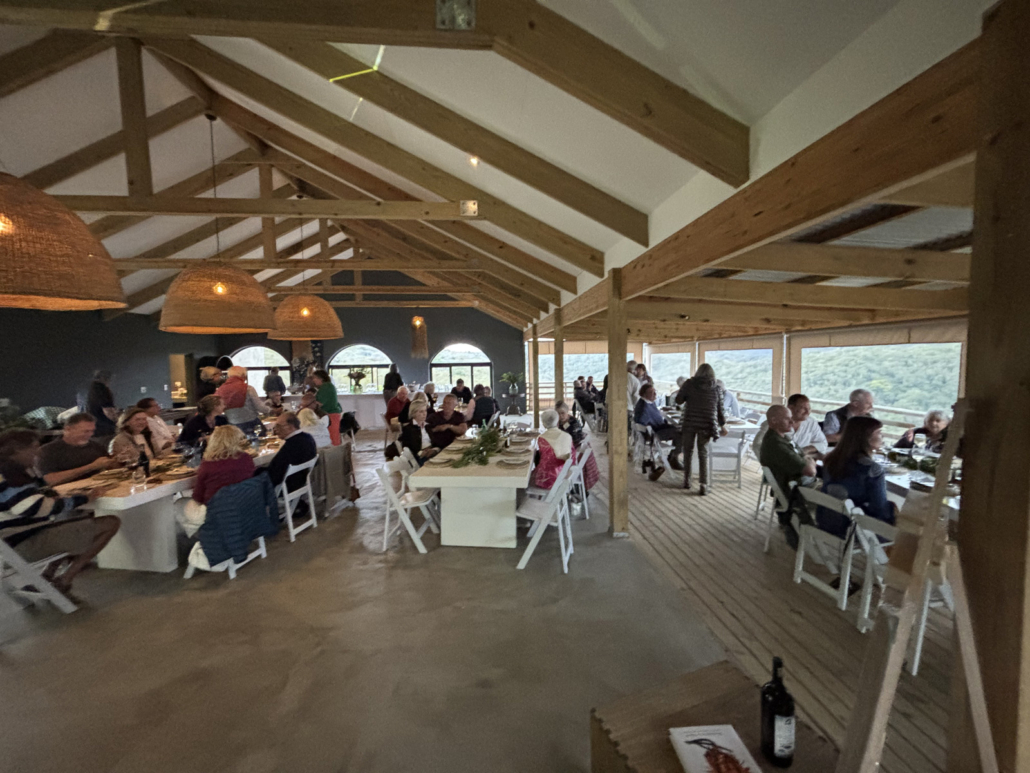
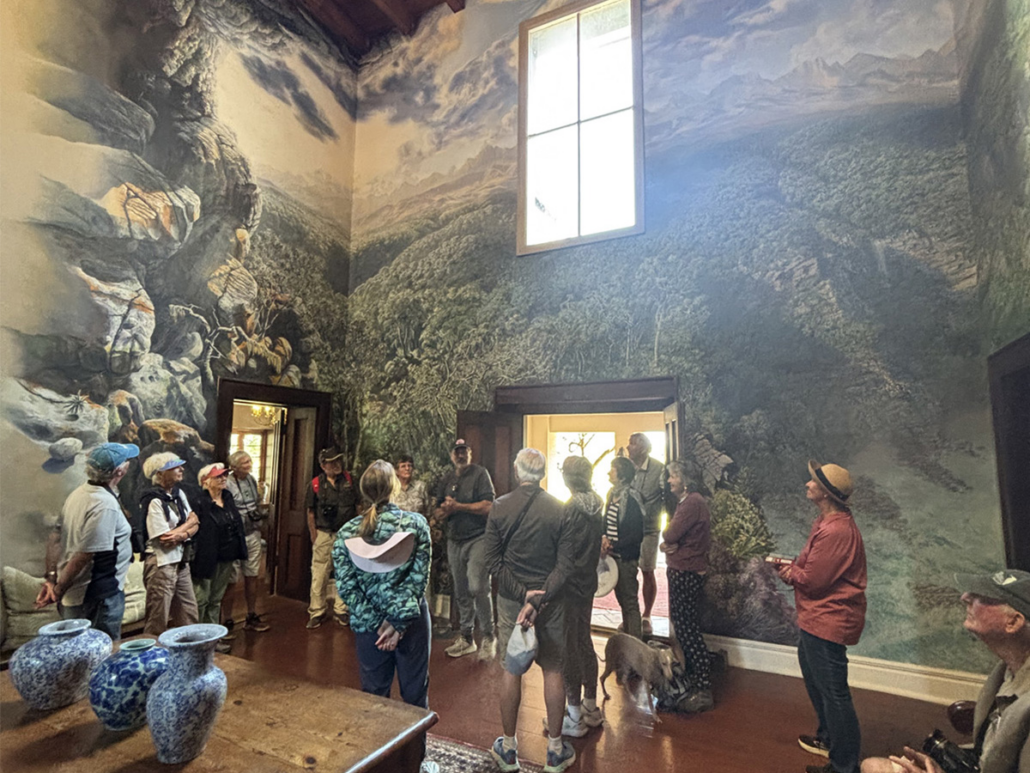
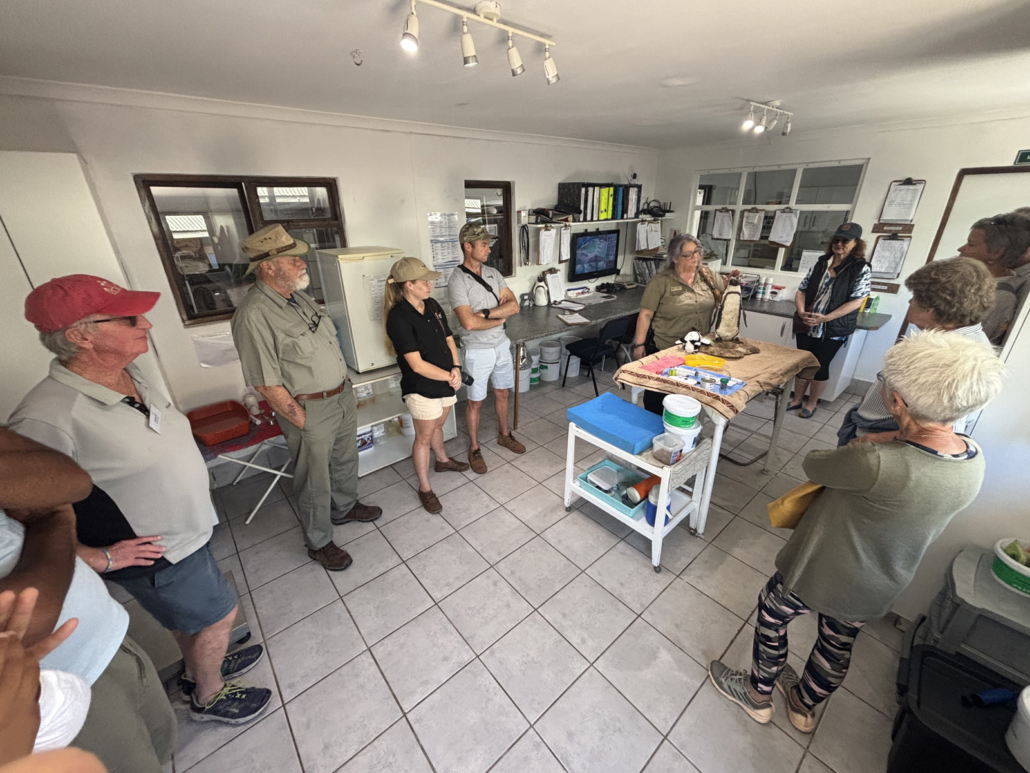
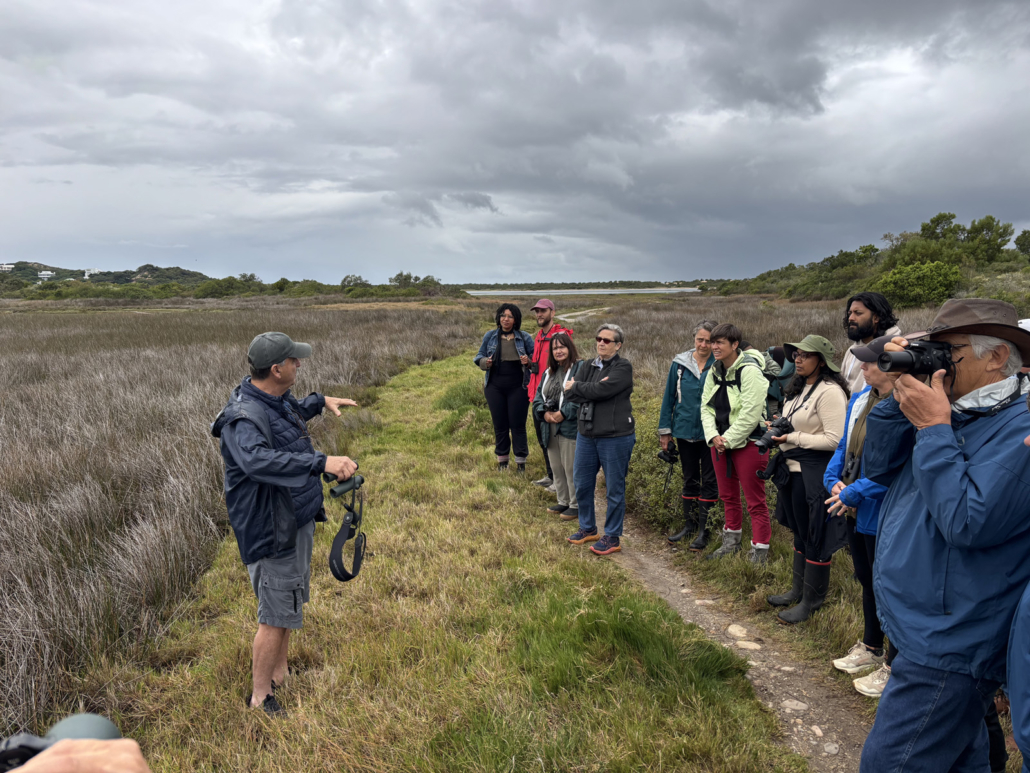
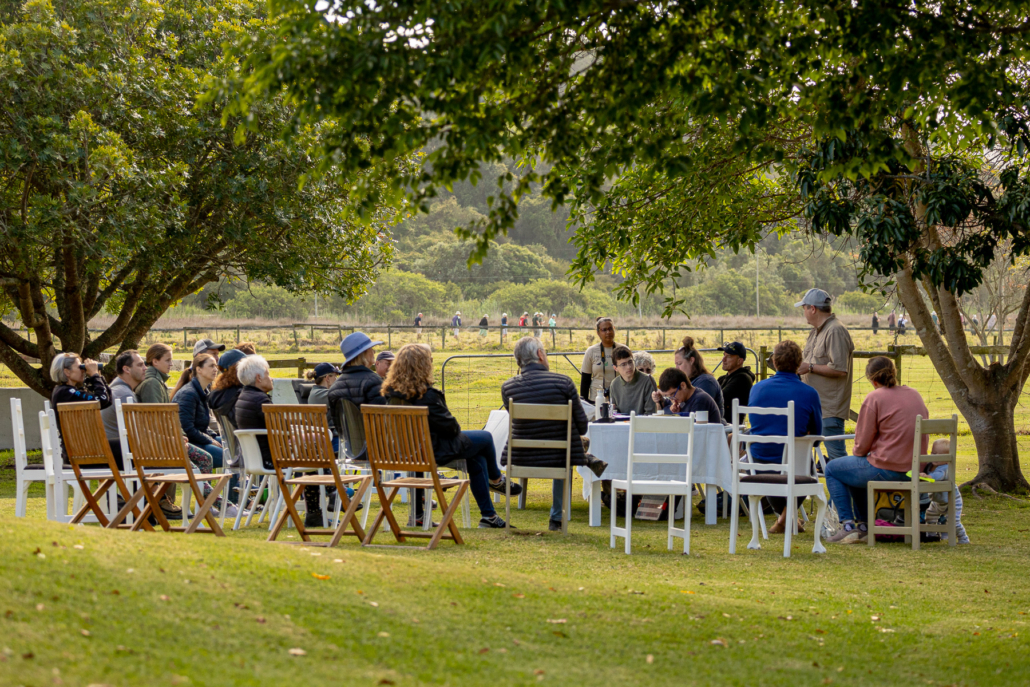
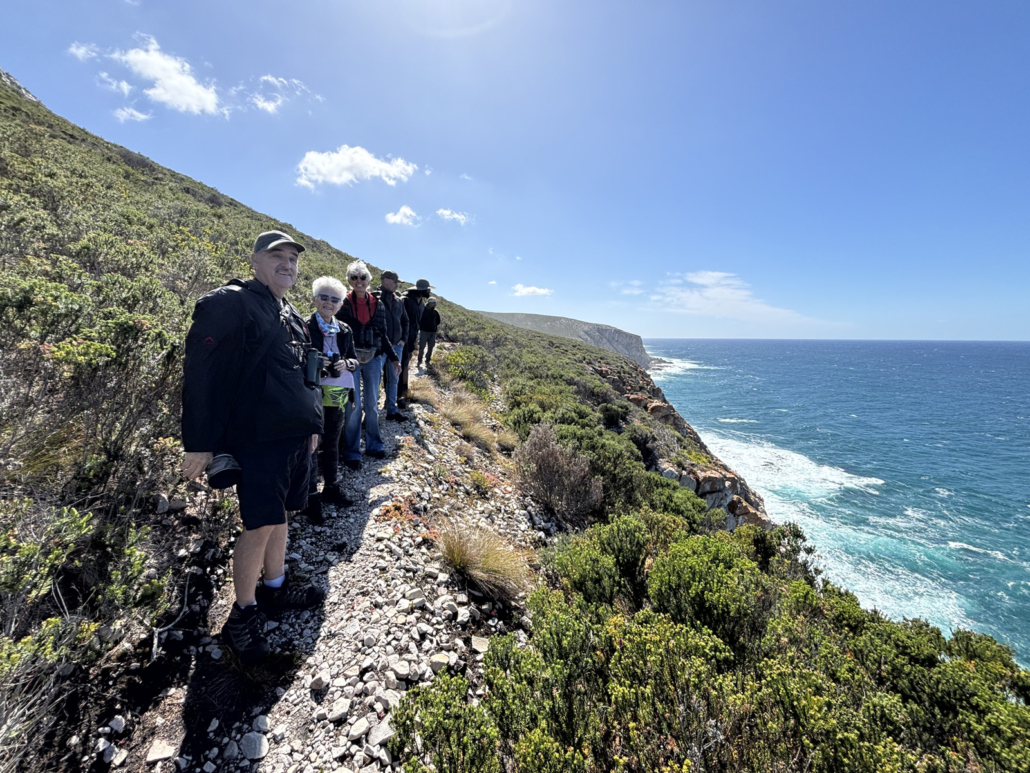
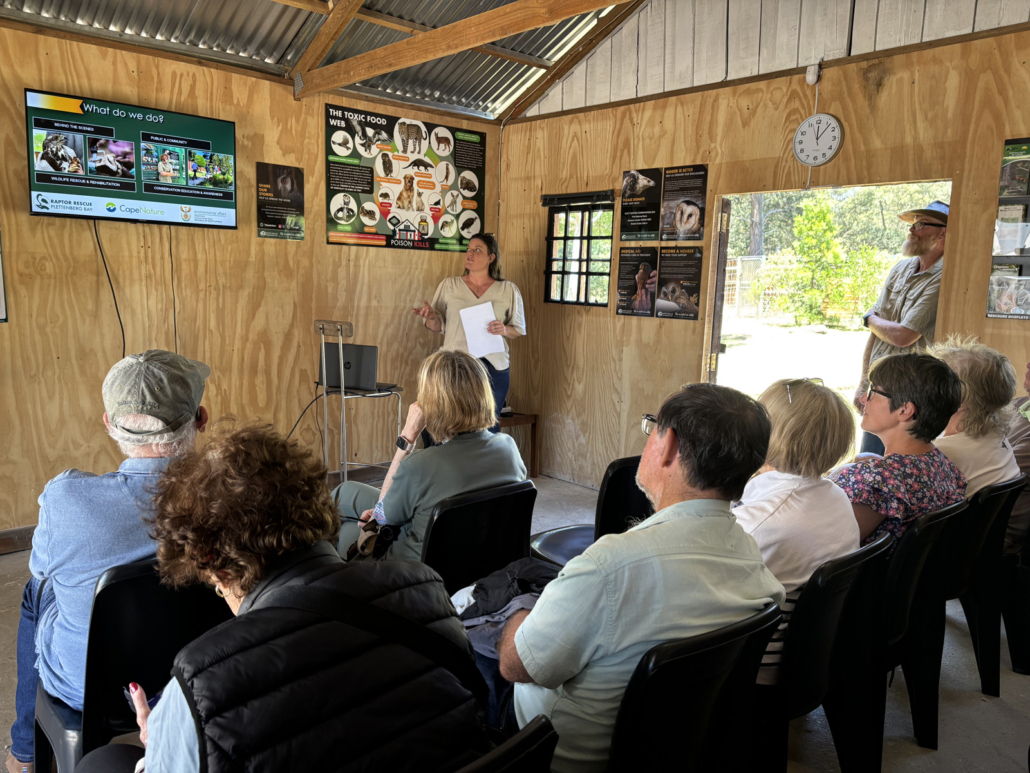
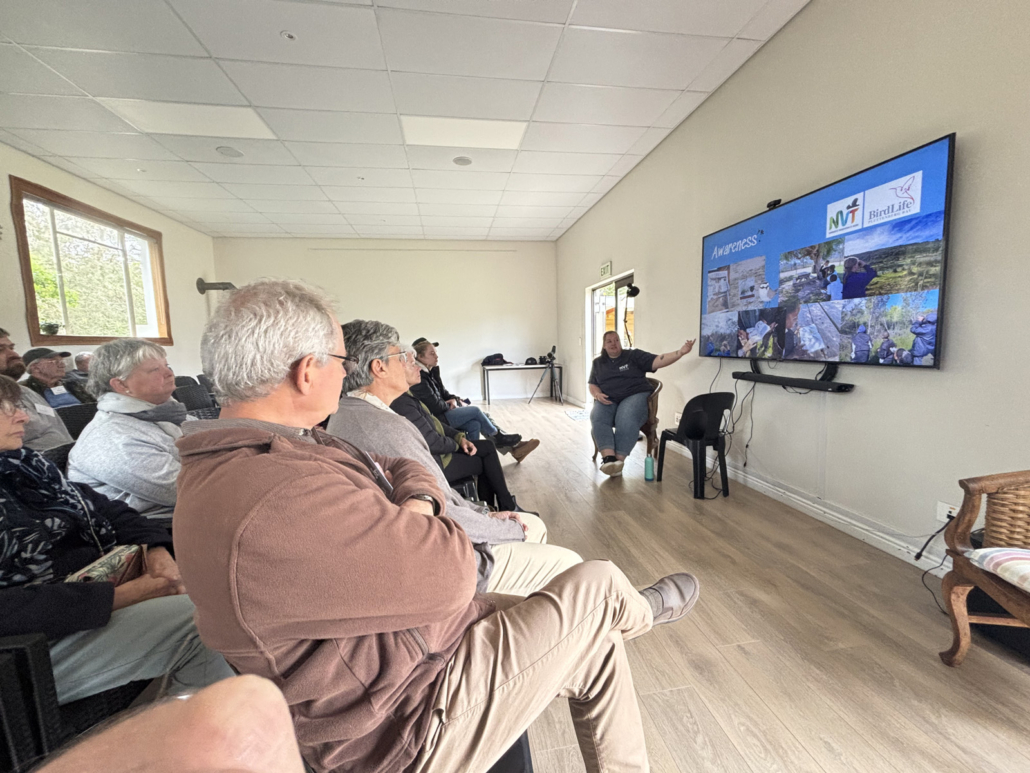
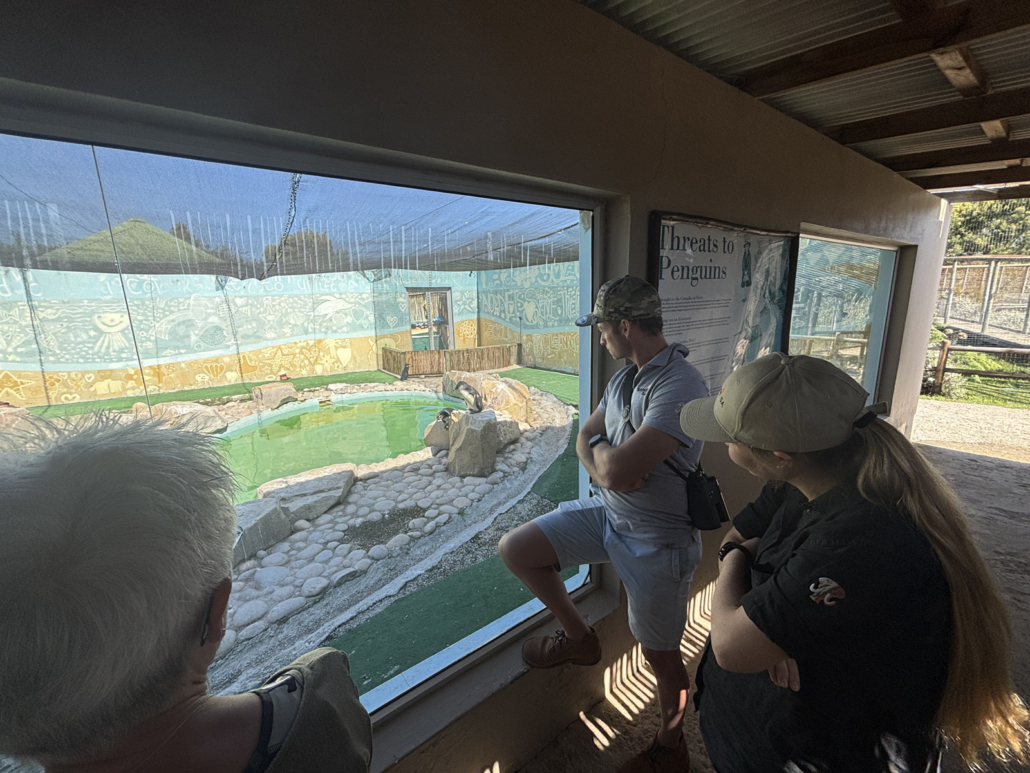
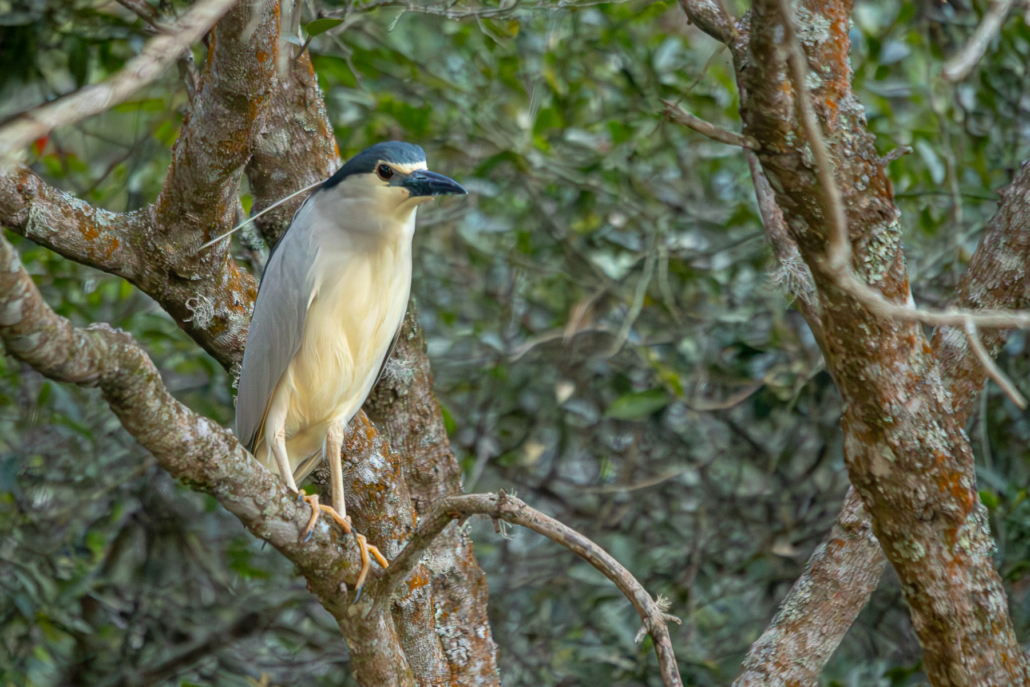
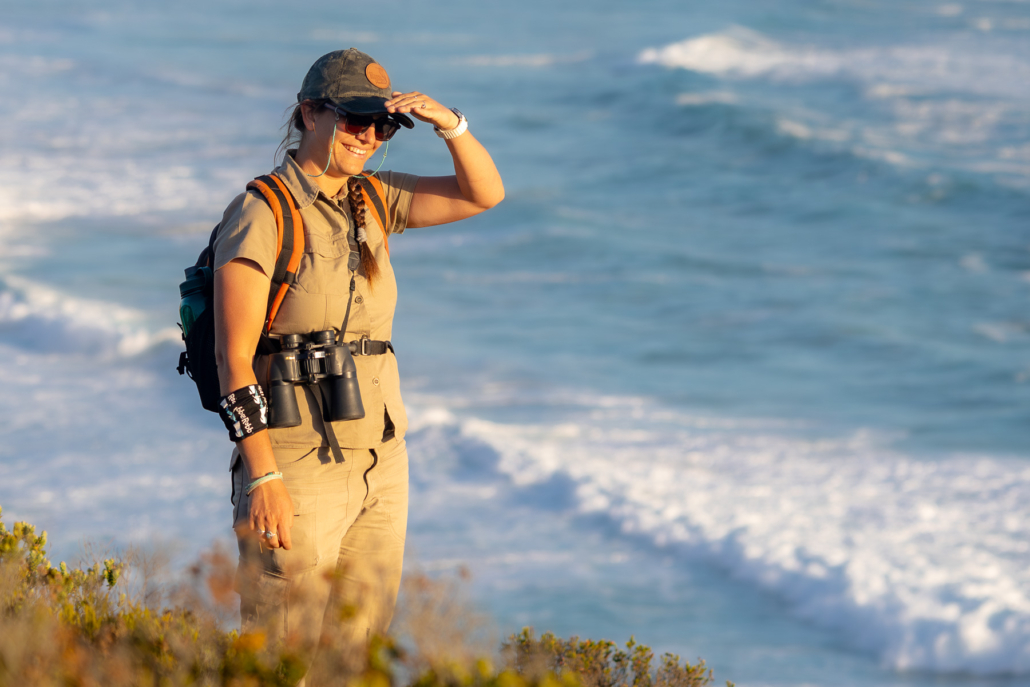
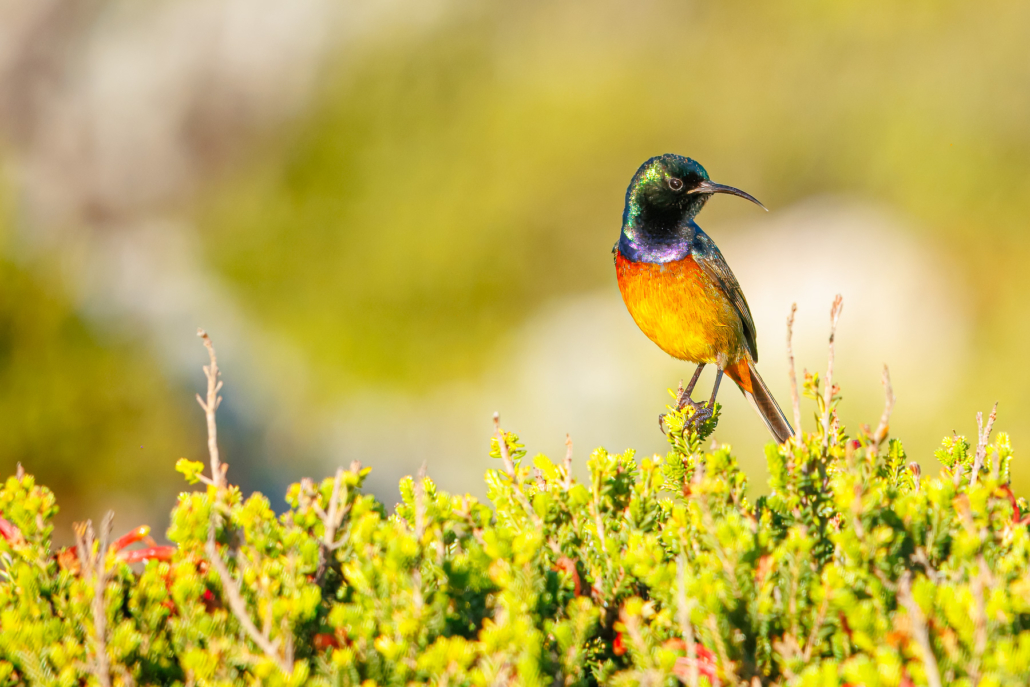
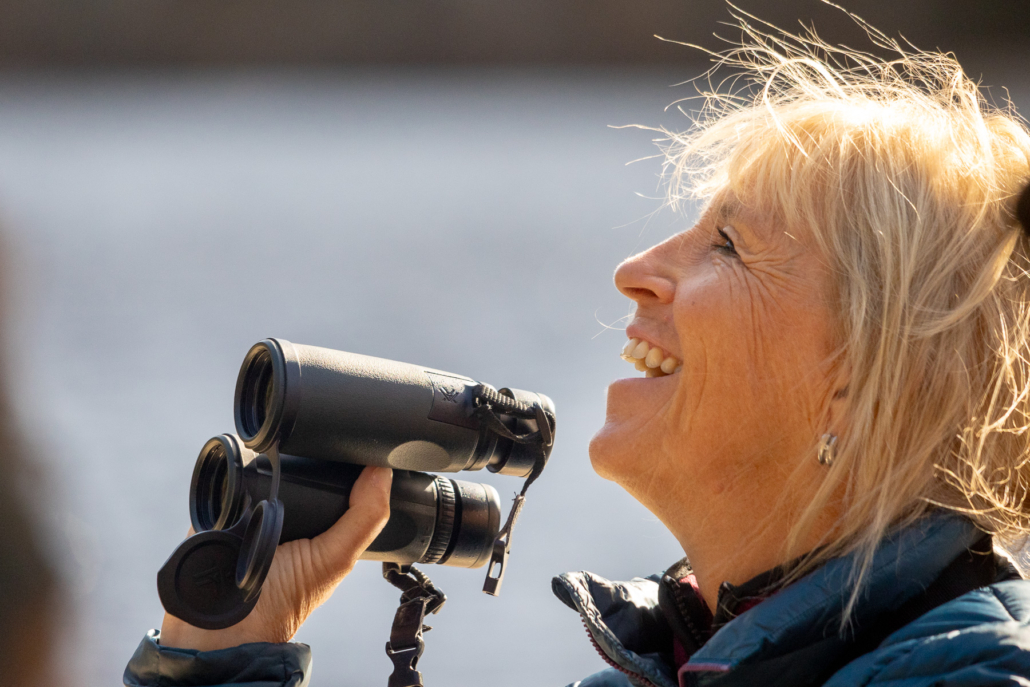
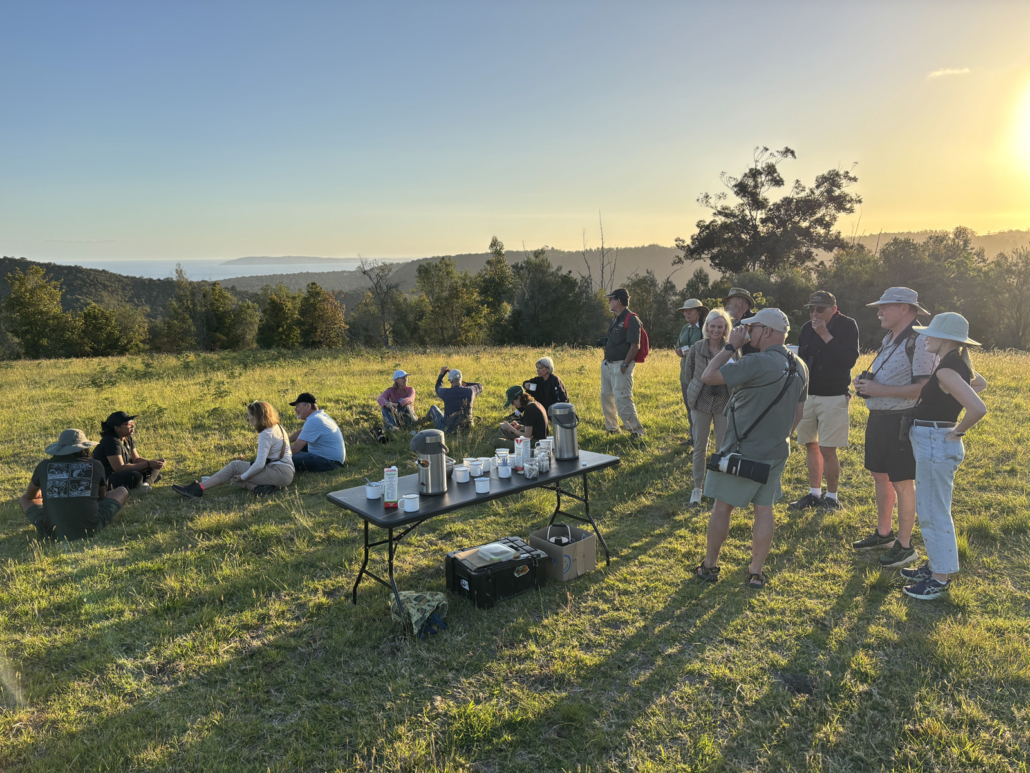
Raptor Rescue Plettenberg Bay invited members to attend a presentation, a conducted tour of the facility and a flight display in 1 November 2025.
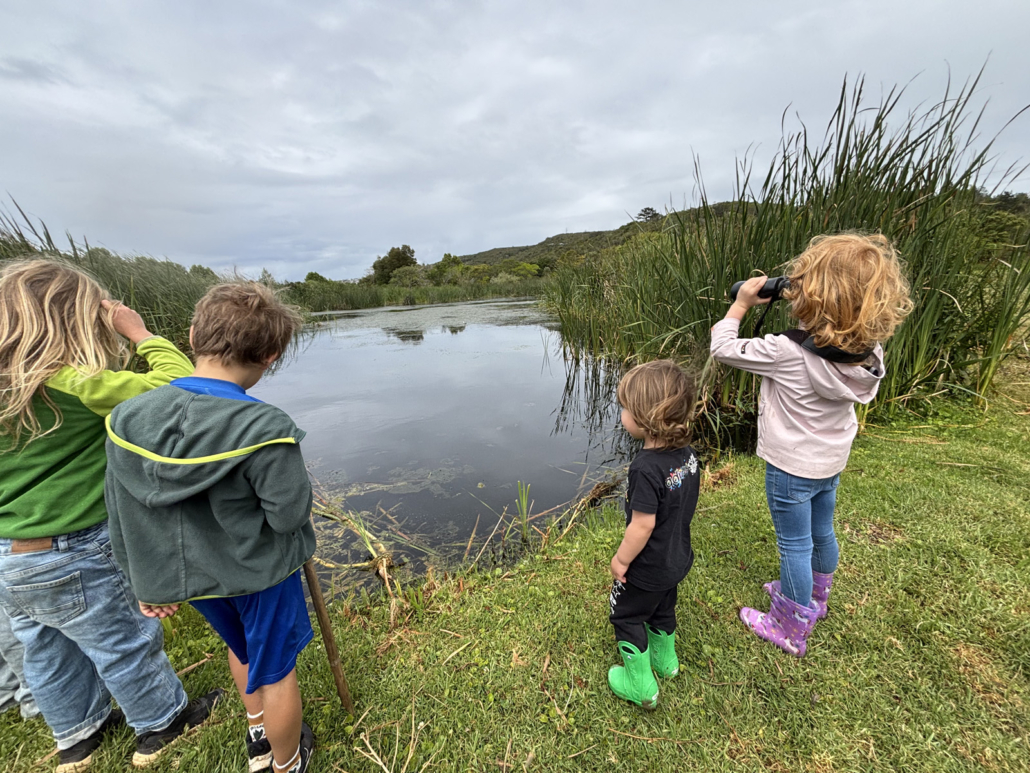
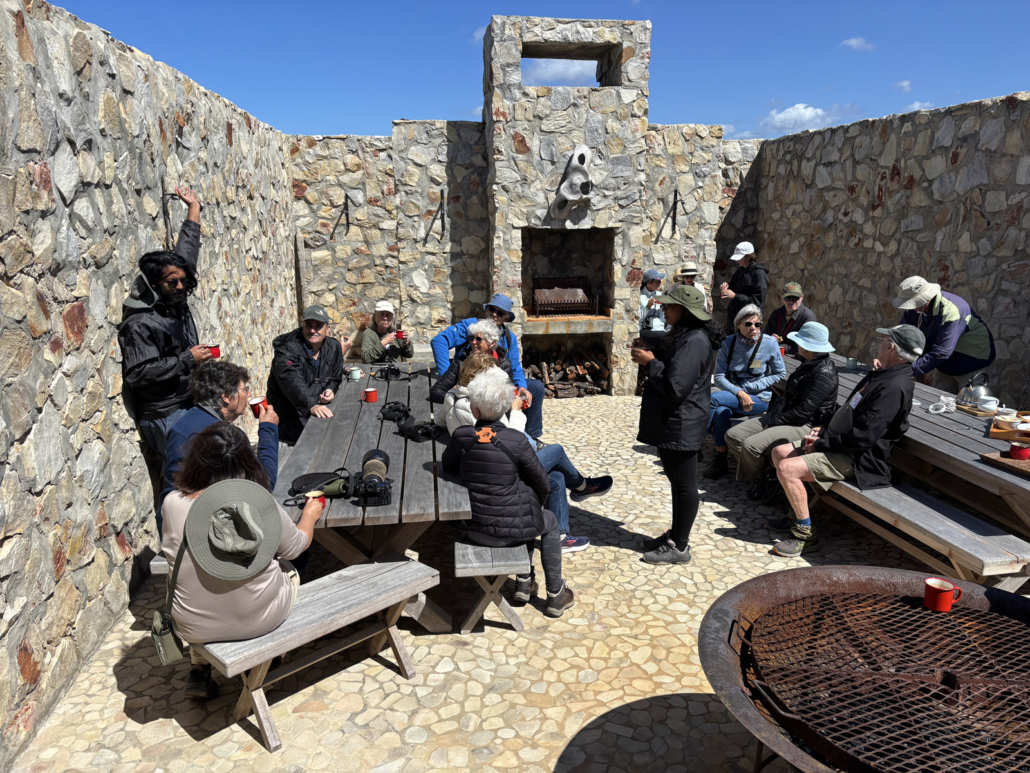
A total of 65 members attended and despite the windy and wet weather conditions, they all had a great day.
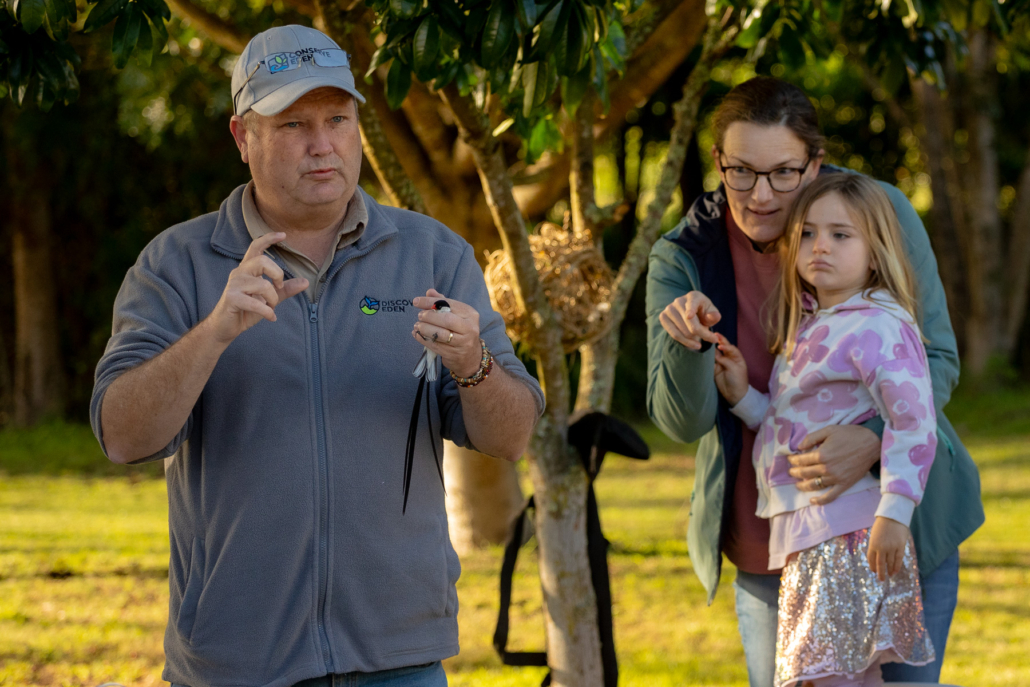
The presentation by Laura Fotheringham was informative and interesting. She referred to the good and bad times over the last 5 years and also to the many rehabilitation and successful release of Raptors during that time. The conducted tour and flight display was led by Mark Robson. The flight display by the Spotted Eagle Owl and the Barn Owl was amazing despite the windy conditions.
We would like to thank Laura and Mark for the invitation to our Club members.









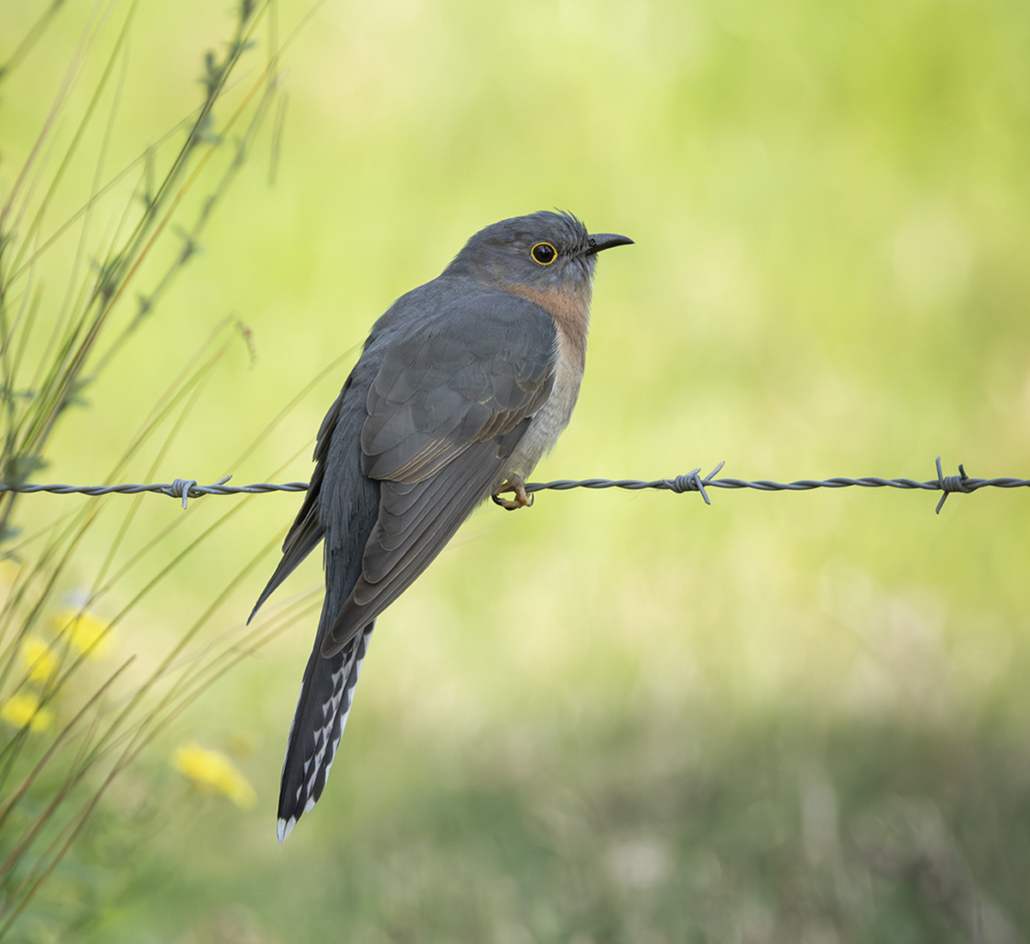
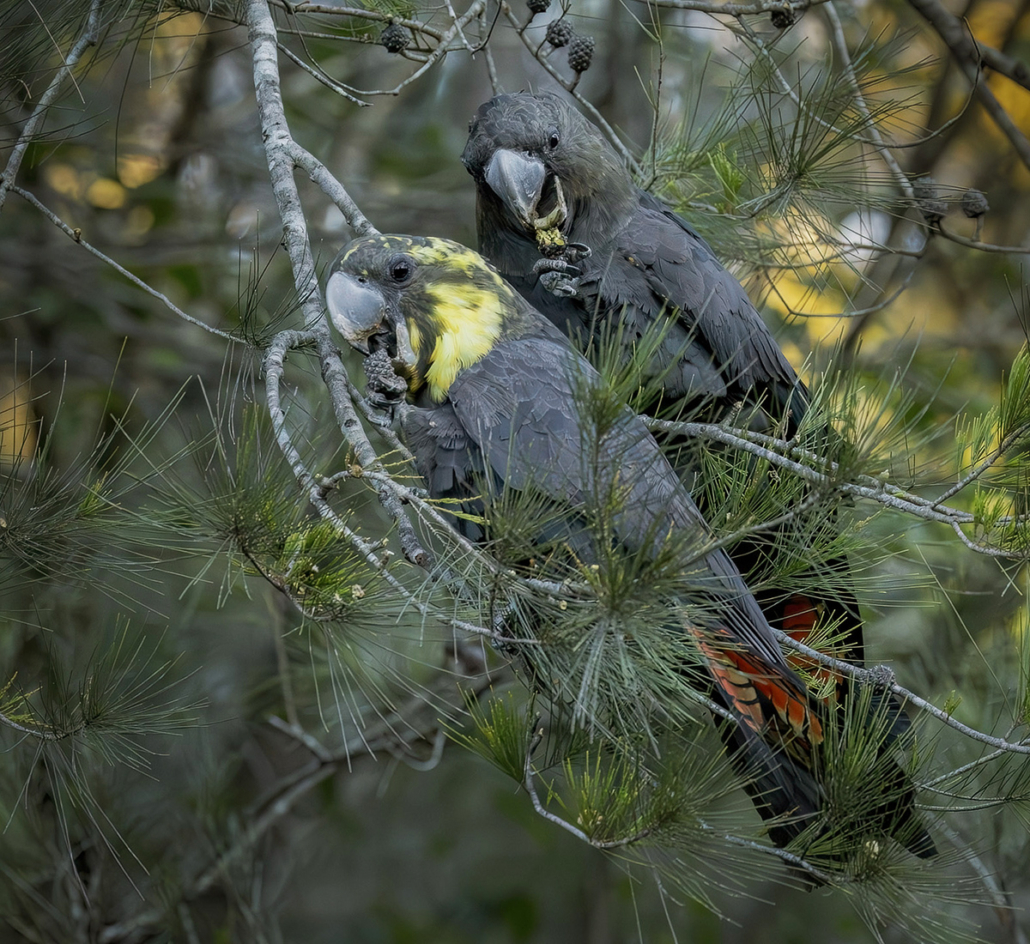

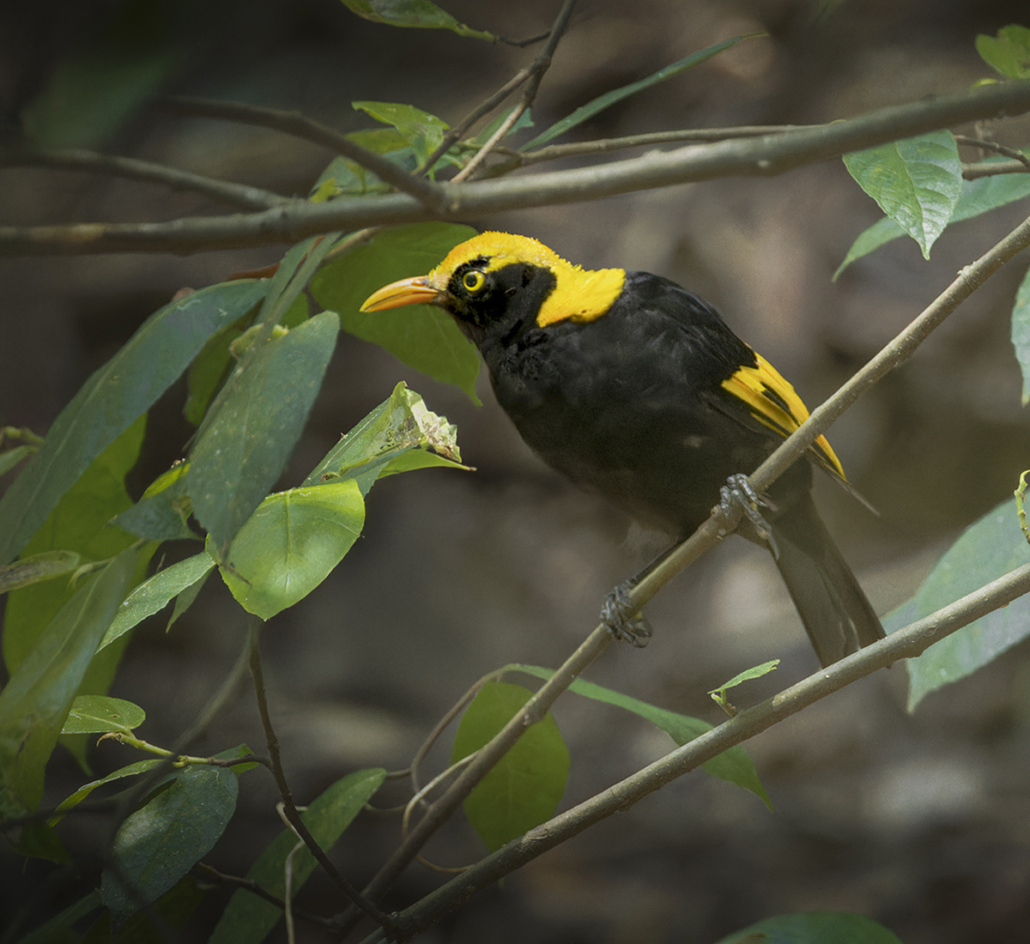
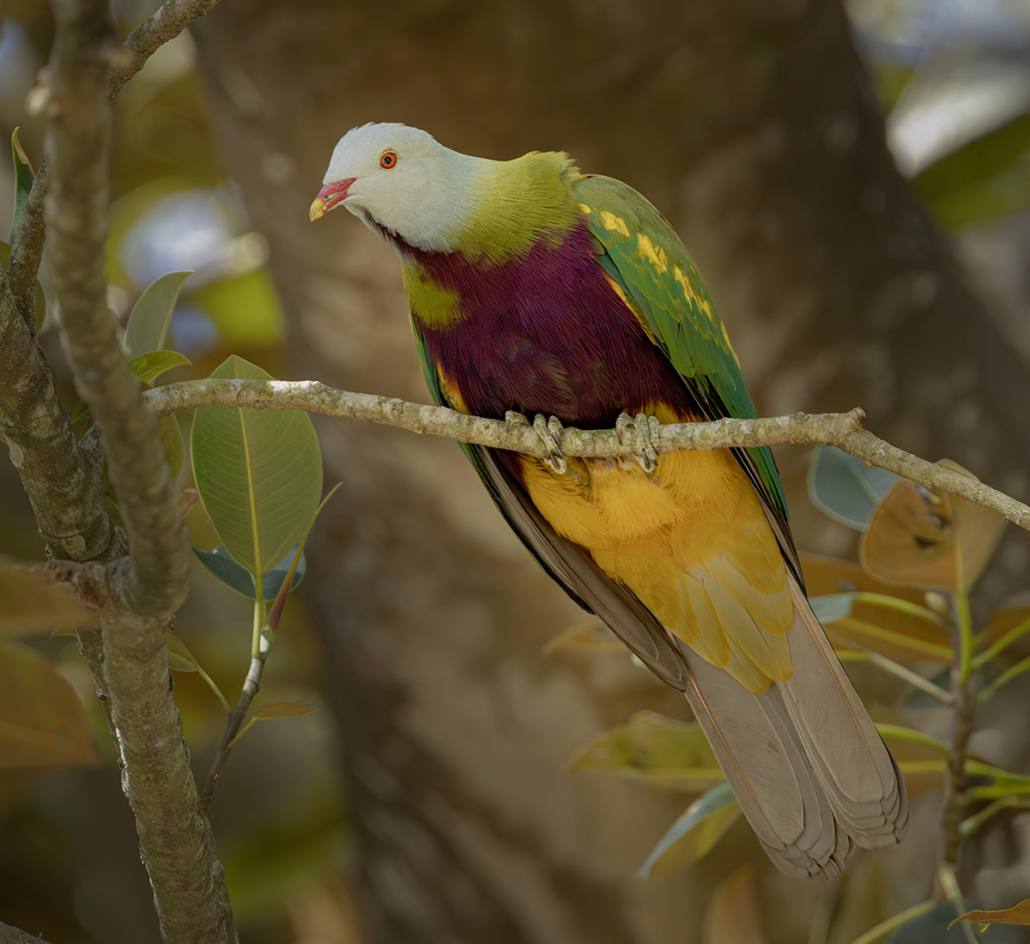











Editors note:
We would like to encourage members and their friends and families to support Raptor Rescue over the Festive Season… they are doing an amazing job with the care and rehabilitation of injured raptors in our area.
THEY CERTAINLY DESERVE OUR SUPPORT FOR THE WORK THEY DO.


STOP PRESS
Another successful release of 11 Penguins on Sunday 7 December 2025 on Look Out beach in the presence of hundreds of happy holiday makers and locals.
African Green Pidgeons
On Saturday 6 December 2025 two African Green Pidgeons were spotted and photographed at Kwendalo. This is only the 2nd time that this bird has ever been recorded in Plettenberg Bay. Since then the birds have been seen every day by many of our Members.


CHAIRPERSON: Ann Mawer – 082 446 4200
VICE-CHAIRPERSON: Patrick Raymond – 083 377 9580
TREASURER: Darryl Harrison – 082 651 8985
SECRETARY: Pippa van Noppen – 082 878 6662
HONORARY PRESIDENT: Mike Bridgeford – 083 266 7634
COMMITTEE:
Newsletter Editor: John Home – 082 554 5002
Design and Layout: Stephan van Wyk – 072 554 3995
